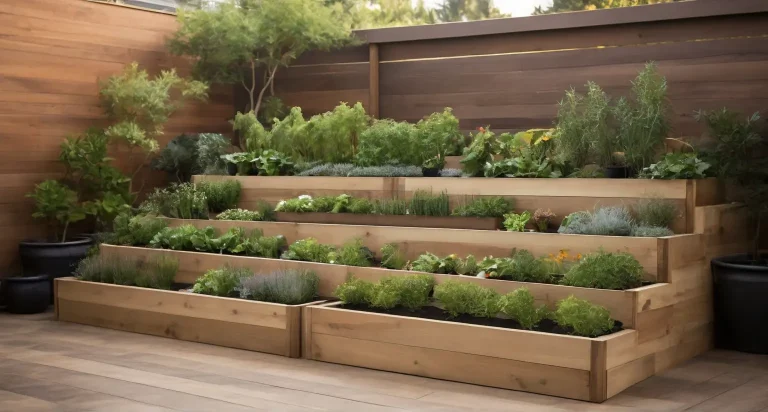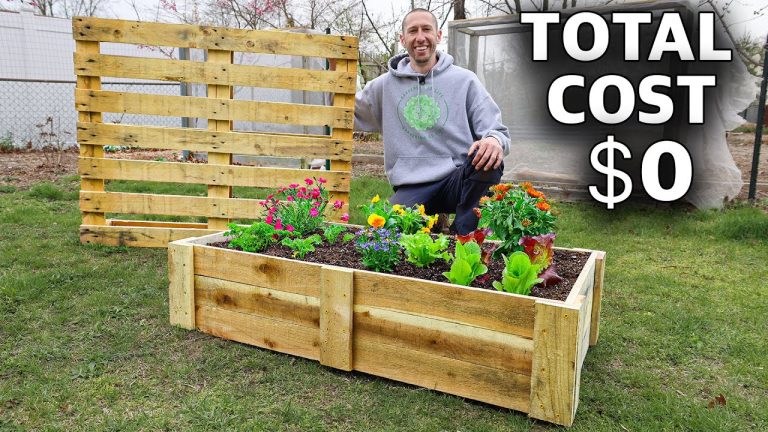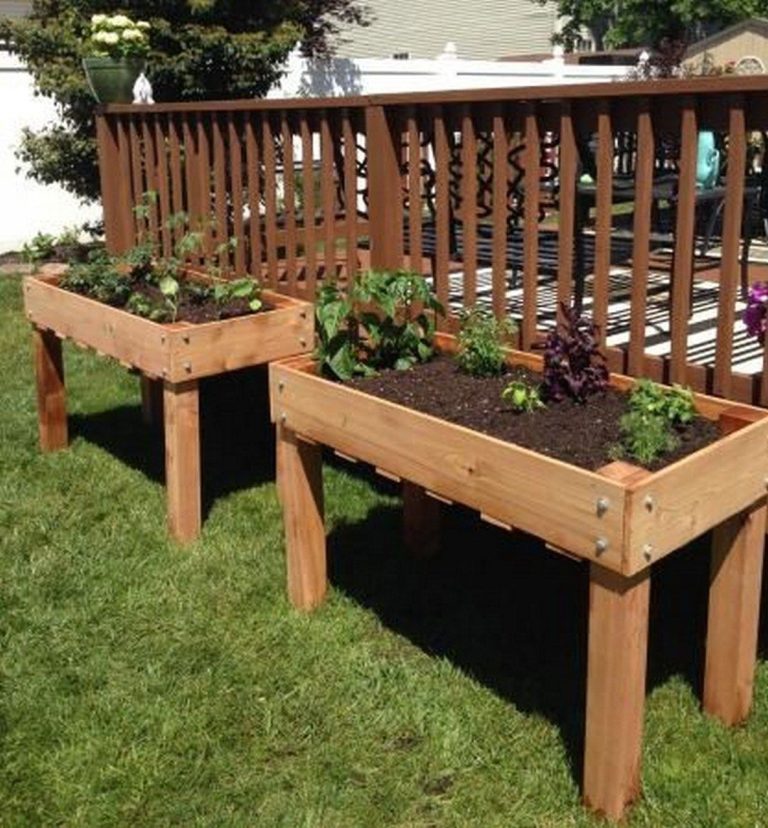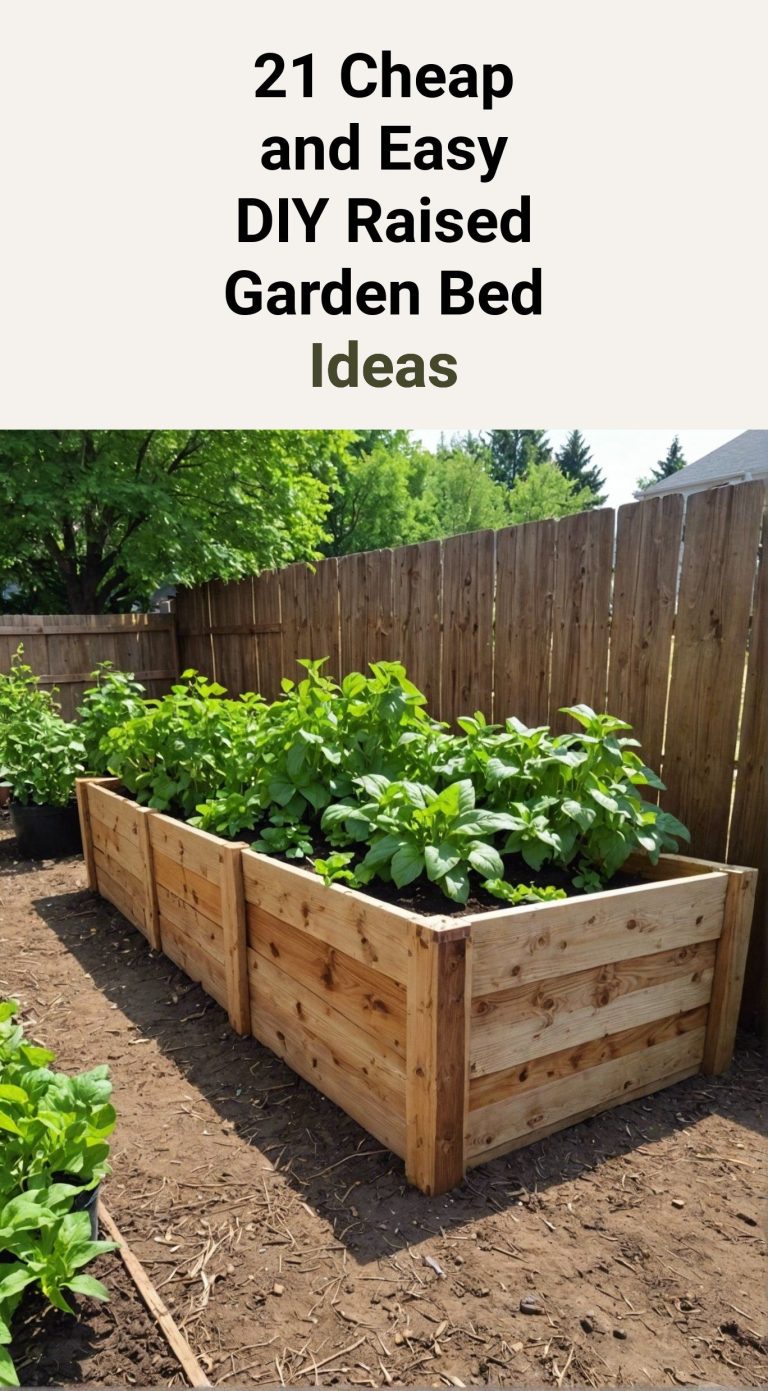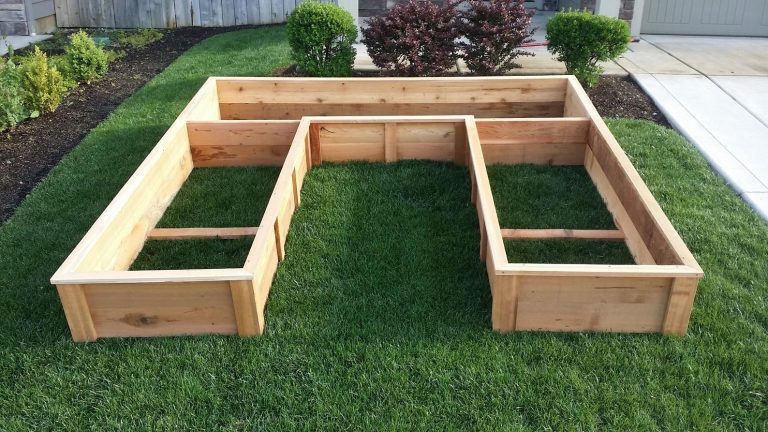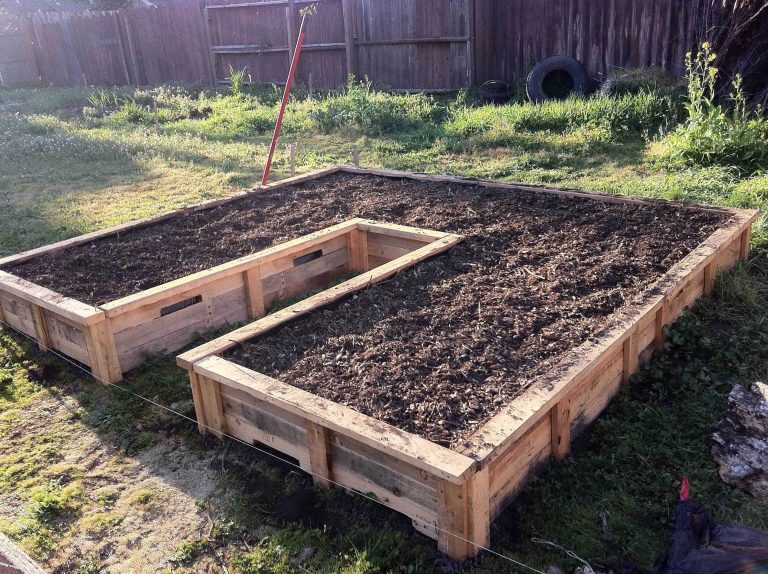
How To Build A Raised Garden Bed: Easy DIY Guide
A raised garden bed gives you control over soil, drainage, weeds, and plant spacing. It can turn poor clay, rocky ground, or a small patio into a productive growing space. You also spend less time bending, which matters during long days of planting and harvest.
I have built raised beds in sandy soil in USDA Zone 8 and heavy clay in Zone 6. The same design worked in both places, but the base, soil mix, and watering plan had to change. This guide explains how to build a raised garden bed that lasts, drains well, and suits your space.

Quick answer: how to build a raised garden bed
To build a raised garden bed, choose a sunny site, mark the bed, cut untreated lumber, assemble a strong frame, level it, fill it with quality soil, and add mulch. A 4-by-8-foot bed that is 12 inches tall works well for most vegetables. Use deeper beds for carrots and parsnips, and add hardware cloth if rodents are common.
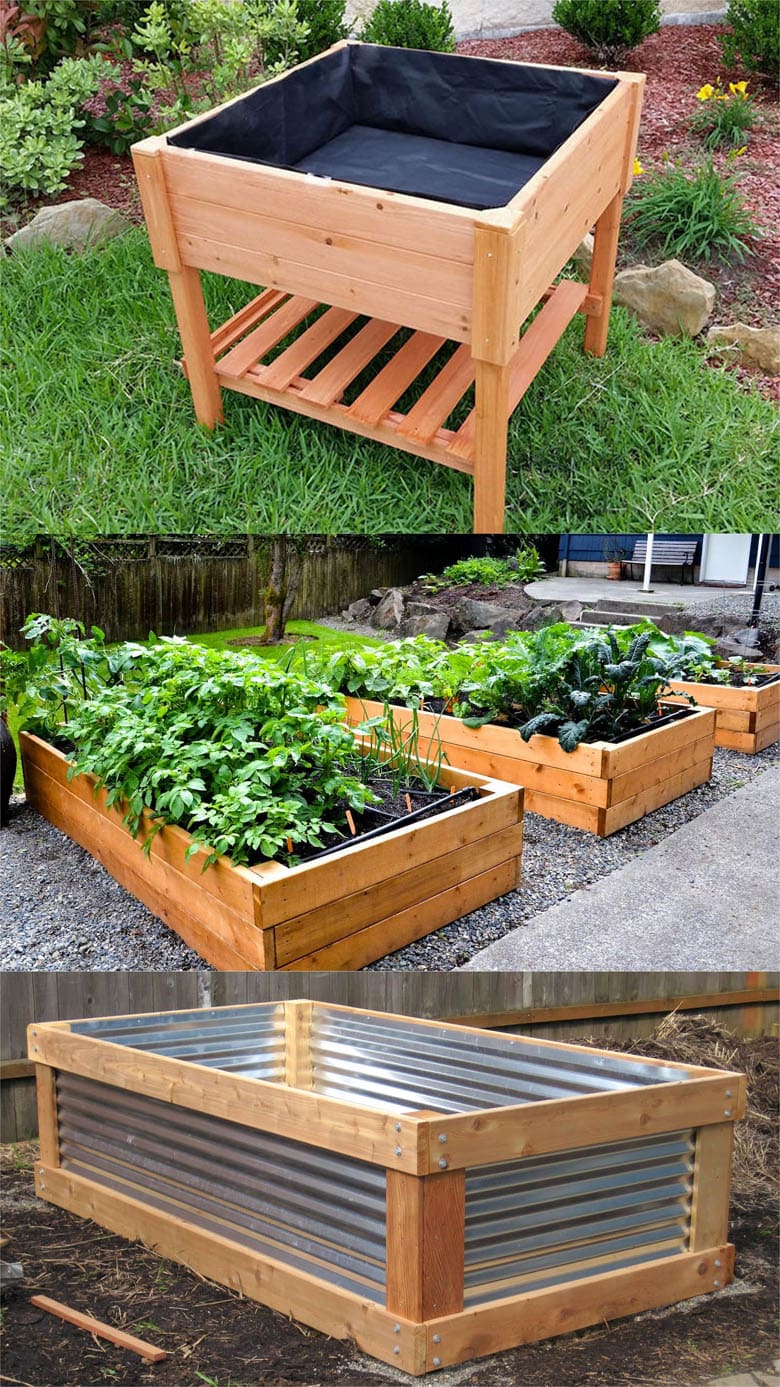
A basic bed costs about $80 to $250, depending on wood, soil, and tools. You can finish the frame in one afternoon, but filling it may take longer. The best location gets at least six hours of direct sun and sits near a water source.
What you need before you start
A raised bed is a simple box, but a good result depends on careful site choice and sound materials. Decide the size, height, crop list, and soil plan before you buy lumber. This prevents common problems such as blocked paths, poor drainage, and beds that are too wide to reach.
Choose the right bed size
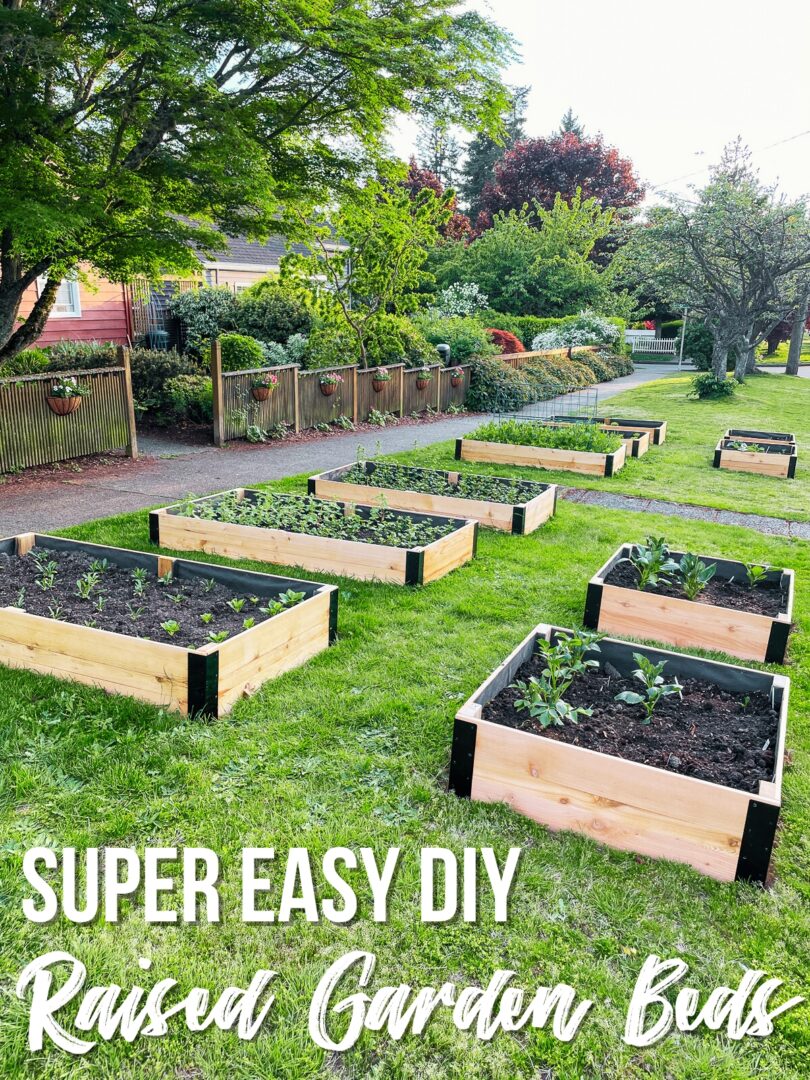
Keep the bed narrow enough to reach the center from both sides. A width of 3 to 4 feet is ideal for a bed that you can reach from both sides. A bed against a wall should stay 2 feet wide or less.
A 4-by-8-foot bed gives you 32 square feet of growing space. It also uses standard 8-foot boards with little waste. For a small yard, two 3-by-6-foot beds may work better than one large bed.
The bed length has no strict limit, but long beds need extra support. Add a center brace to beds longer than 8 feet. Without one, the boards may bow outward after you add wet soil.
Pick a safe location
Most vegetables need six to eight hours of direct sun. Tomatoes, peppers, cucumbers, squash, beans, and eggplants need the most light. Lettuce, spinach, cilantro, and kale can handle some afternoon shade, especially in USDA Zones 7 through 10.
Avoid low areas where rain collects. Do not place the bed under black walnut trees because juglone from the roots and leaves can harm some plants. Keep the bed away from large tree roots when possible.
Place beds with enough room for paths. Leave 2 feet between beds for walking, and 3 feet if you use a wheelbarrow. I once built a bed with a 20-inch path beside it. It looked fine at first, but it became hard to weed after the plants grew.
Select durable materials
untreated cedar and redwood resist rot well. They cost more than pine, but they may last 10 years or longer with good drainage. Untreated pine often lasts three to seven years, depending on rainfall, soil contact, and wood quality.
Do not use old railroad ties, painted boards, or lumber treated with unknown chemicals. Avoid wood that smells strongly of creosote or has peeling paint. Modern pressure-treated lumber made for outdoor use is widely used, but some gardeners still prefer untreated cedar for food beds.
Use exterior-rated screws, not indoor drywall screws. Coated deck screws or stainless steel screws resist rust and hold better in wet wood.
| Material | Typical life | Best use |
|---|---|---|
| Untreated pine | 3–7 years | Low-cost starter bed |
| Cedar | 8–15 years | Long-lasting food garden |
| Redwood | 10–20 years | Wet climates and premium builds |
The right wood depends on your budget and climate. In wet Pacific Northwest gardens, rot-resistant wood earns its higher cost. In a dry Zone 5 garden, pine may provide good value.
Tools and materials checklist
Gather all tools before you cut the first board. A circular saw makes quick work of lumber, while a drill with a driver bit keeps the frame tight. You can build a small bed with hand tools, but power tools save time.
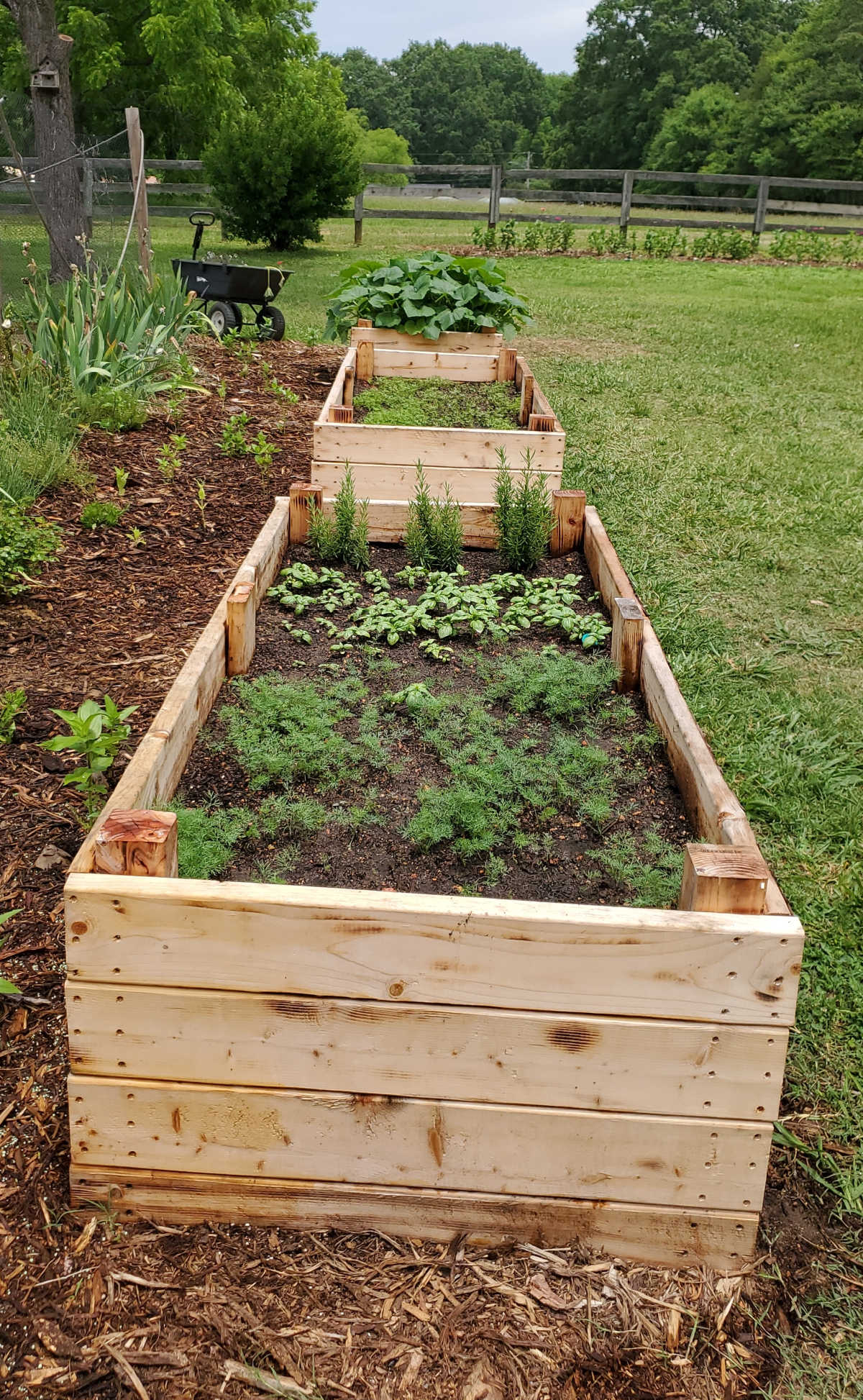
Basic materials
For one 4-by-8-foot bed that is 12 inches tall, you need:
- Two 8-foot boards for the long sides
- Four 4-foot boards for the end pieces
- Eight exterior screws per corner, or more for thick lumber
- Four corner stakes or inside braces
- Quality garden soil and compost
- Mulch
- Hardware cloth, if rodents are a problem
Use 2-by-6-inch boards for a bed close to 12 inches tall. The true size of a 2-by-6 is usually about 1.5 by 5.5 inches, so the final height will be about 11 inches. For an 18- to 24-inch bed, stack two or three boards and join them with inside braces.
Helpful tools
You will need a tape measure, pencil, square, drill, drill bit, driver bit, level, shovel, rake, and work gloves. A wheelbarrow helps when moving soil. Safety glasses protect your eyes while cutting or drilling.
A battery drill such as a DeWalt 20V MAX or Makita 18V model works well for this job. You do not need a large saw. A basic 15-amp circular saw with a sharp 24-tooth framing blade cuts standard boards cleanly.
| Tool or item | Why you need it | Useful substitute |
|---|---|---|
| Circular saw | Cuts boards to length | Handsaw |
| Drill and driver bit | Makes pilot holes and drives screws | Manual screwdriver |
| Level | Checks the frame and corners | Straight board and small level |
| Shovel and rake | Prepares ground and spreads soil | Garden fork and hand rake |
| Hardware cloth | Blocks voles and moles | Galvanized mesh |
A sharp blade and a stable work surface matter more than a high-priced tool. Wear eye protection whenever you cut wood or drive screws.
⚠️ Warning: Never cut pressure-treated lumber without eye protection and a dust mask. Keep sawdust away from children, pets, and food prep areas, and wash your hands after handling the boards.
Prepare the site
Good site preparation keeps the bed level and prevents years of trouble. You do not need to remove every blade of grass, but you should control weeds and remove large roots, stones, and debris.

Mark the bed
Use stakes and string to mark the outside edges. Measure both diagonals. They should match if the layout forms a true rectangle.
For a 4-by-8-foot bed, measure from one corner to the opposite corner, then check the other diagonal. If the measurements differ, shift the stakes until they match.
Mark paths around the bed before you build it. This helps you avoid placing the frame too close to fences, gates, or shed doors.
Clear grass and weeds
Cut the grass short with a string trimmer or mower. Remove weeds with seed heads before they drop. Dig out perennial weeds such as bindweed, quackgrass, and creeping Bermuda grass when possible.
You can cover grass with overlapping cardboard under the bed. Use plain brown cardboard without glossy ink, tape, or plastic coating. Wet it well, overlap the seams by 6 inches, and cover it with soil.
Do not put a thick layer of gravel under the bed just because you think it will improve drainage. In most yards, gravel creates little benefit and raises the soil level. A raised bed drains through the soil below when the base remains open.
Level the ground
Set the frame on the ground and check it with a level. Dig down on the high side instead of piling soil under the low side. A bed that sits level holds water more evenly and looks neater.
A slight slope may be acceptable for a long bed, but a steep slope can cause soil to wash out. On a hillside, use a terraced design or build a retaining structure first.

Build the frame step by step
Building the frame takes less skill than most people expect. The key is to make square corners, use pilot holes, and brace long sides before adding soil.
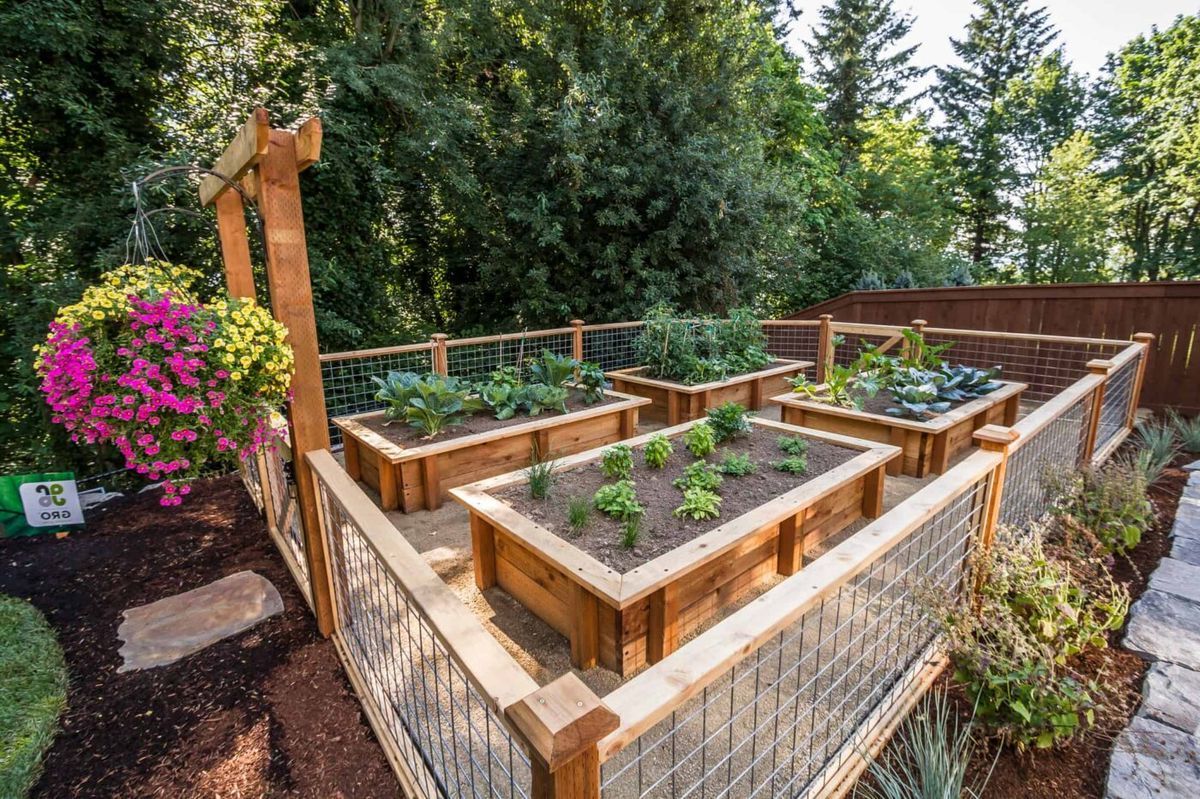
1. Cut the boards
Cut two long boards to 8 feet and four end boards to 4 feet. If you use 2-by-6 boards, the outside dimensions will vary slightly based on how you place the corners.
Wear safety glasses and support the board on sawhorses. Keep the saw cord or battery tool away from the blade path. Let the blade reach full speed before you start the cut.
2. Drill pilot holes
Place an end board between the long boards or against their ends, based on your chosen layout. Use a square to keep the corner at 90 degrees.
Drill two pilot holes for each connection. Pilot holes reduce splitting, especially in cedar and dry pine. Use screws long enough to pass through the outer board and enter the end grain by at least 1.5 inches.
3. Join the corners
Drive the screws slowly. Check the corner again after the first screw because boards can shift. Add the second screw once the joint stays square.
Repeat the process on all four corners. Measure the diagonals again before you tighten every screw. A small correction now is much easier than fixing a crooked frame after it is full of soil.
4. Add braces
Add a wood block or metal angle brace inside each corner. For a bed longer than 8 feet, add a center stake or cross brace.
Drive a 2-by-2-inch stake into the ground on the outside of each long side if the bed is 12 inches high or less. For tall beds, use inside corner posts that connect all board layers.
5. Set the frame in place
Move the empty frame onto the prepared site. Check the level from side to side and end to end. Press or remove soil until the frame sits firmly without rocking.
Do not leave gaps under the frame that rodents can use. If the ground is uneven, fill shallow gaps with soil after leveling. For serious vole problems, install hardware cloth under the entire footprint before setting the frame.
6. Install hardware cloth when needed
Use galvanized hardware cloth with openings of 1/4 inch or 1/2 inch. Cut it larger than the bed footprint, lay it flat, and fold the edges upward against the inside of the frame. Staple it to the wood with heavy-duty staples.
Hardware cloth works better than chicken wire because its mesh is smaller and stronger. It blocks voles, moles, and some burrowing pests, but it will not stop insects or climbing animals.

7. Fill the bed with soil
A 4-by-8-foot bed that is 12 inches deep holds about 32 cubic feet of soil. Add a little extra because the mix will settle after rain and watering.
A useful blend contains about 60% topsoil, 30% finished compost, and 10% aeration material such as shredded bark, leaf mold, or coarse perlite. Many gardeners use the “Mel’s Mix” ratio of one-third compost, one-third vermiculite, and one-third peat moss or coconut coir, but that mix can dry quickly and cost more.
Choose compost from several sources when possible. Compost made only from manure may contain high salts or excess phosphorus. Look for a dark, earthy product with no strong ammonia smell.
| Bed size | Depth | Soil volume |
|---|---|---|
| 4 × 8 feet | 12 inches | About 32 cubic feet |
| 4 × 8 feet | 18 inches | About 48 cubic feet |
| 4 × 8 feet | 24 inches | About 64 cubic feet |
Order soil by the cubic yard when filling more than one bed. One cubic yard equals 27 cubic feet. For one 12-inch-deep 4-by-8 bed, one and one-quarter cubic yards gives you extra soil for settling and mulch.
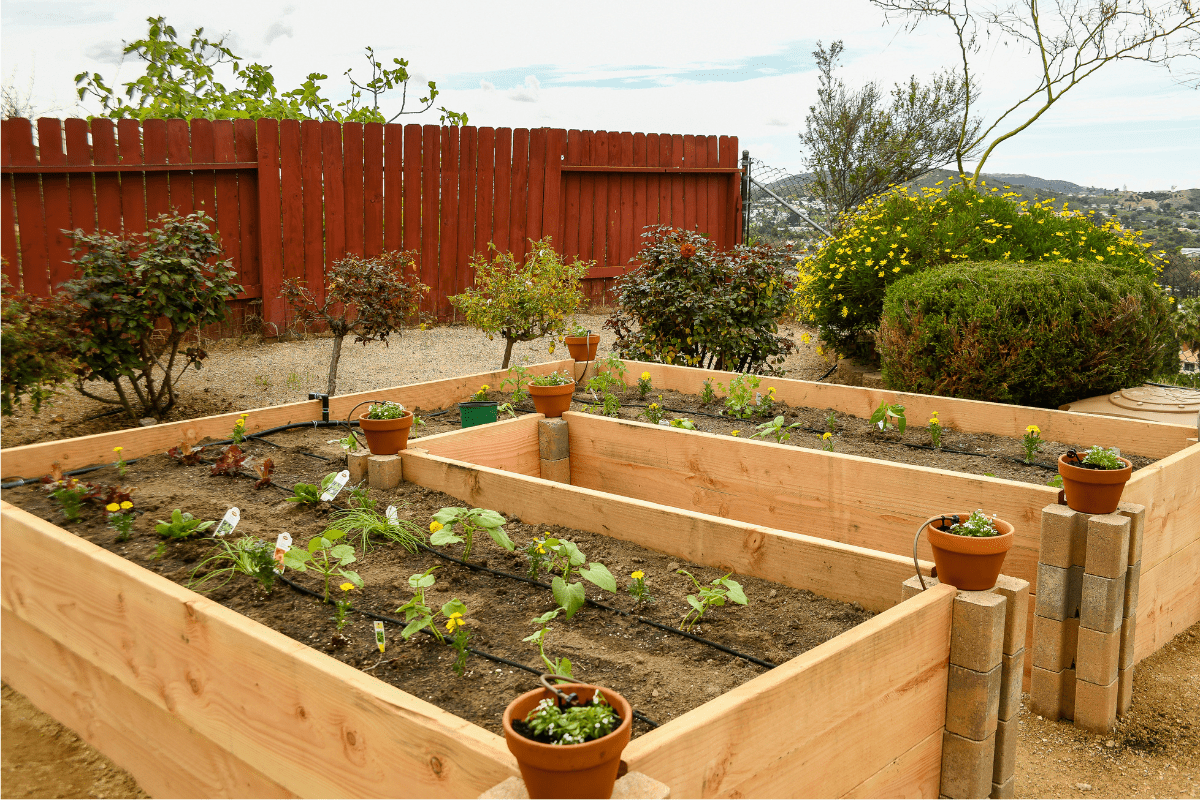
8. Mix and settle the soil
Add the soil in layers. Spread each layer with a rake, then water it lightly. This removes large air pockets without packing the bed hard.
Do not walk on the soil. Compacted soil blocks roots and reduces drainage. If you need to reach the center, place a wide board across the frame and use it as a temporary bridge.
After four weeks, check the soil level. Add more mix if it has dropped several inches. Top the bed with 1 to 2 inches of compost each spring rather than turning the soil deeply.
Plant the bed for strong growth
A raised bed works best when you match the plants to the soil depth, sun, and season. Do not fill every inch with large plants. Crowding raises humidity and increases the risk of powdery mildew, early blight, and insect pests.
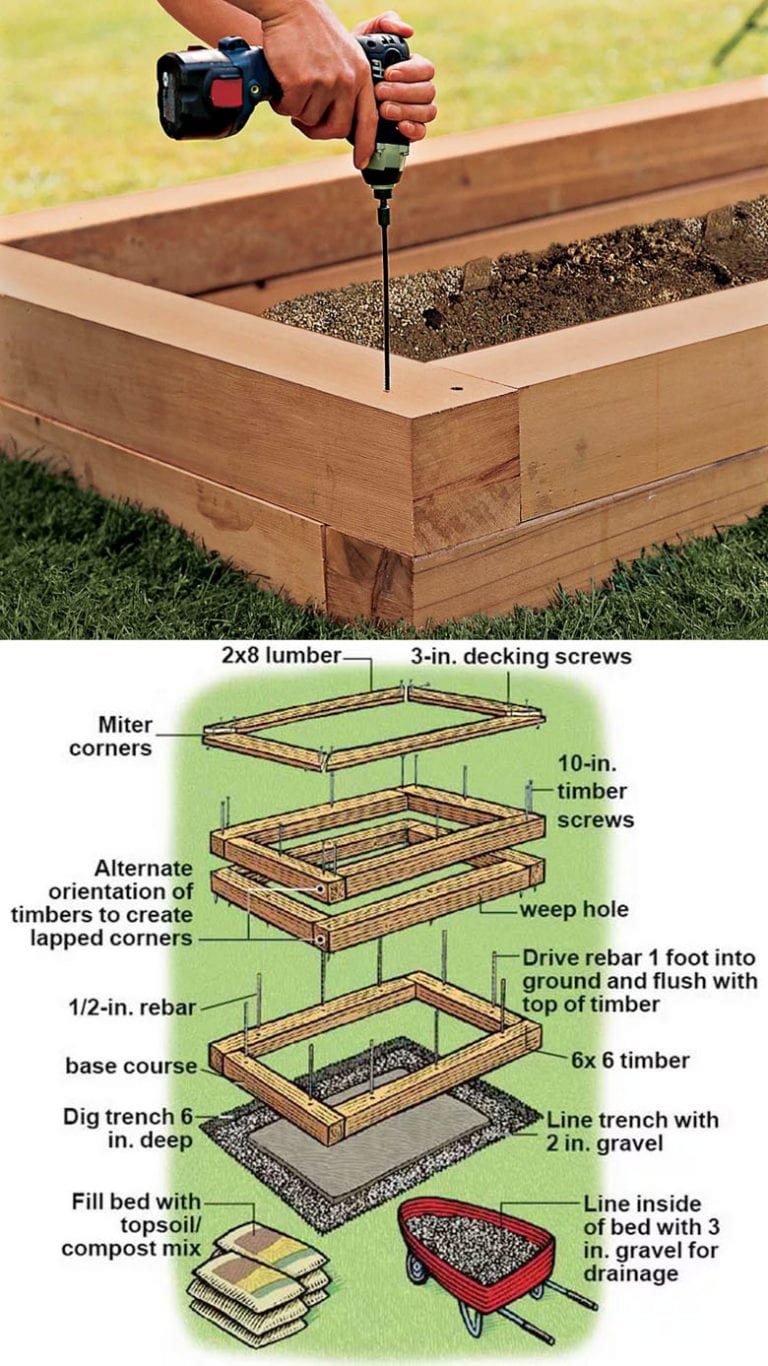
Match crops to soil depth
Most leafy greens and herbs grow well in 6 to 8 inches of soil. Tomatoes, peppers, cucumbers, carrots, beets, and beans perform better with 12 inches or more.
Long carrots and parsnips need loose soil at least 12 to 18 inches deep. Compact varieties such as ‘Little Finger’ carrot and ‘Paris Market’ carrot suit shallower beds.
Large crops need room outside the frame. Indeterminate tomatoes can grow 6 to 10 feet tall and need a sturdy trellis. Winter squash may spread across paths unless you train it onto a strong support.
| Plant group | Minimum soil depth | Spacing example |
|---|---|---|
| Lettuce, radish, herbs | 6–8 inches | 6–12 inches |
| Beans, beets, carrots | 10–12 inches | 3–6 inches |
| Tomatoes, peppers, cucumbers | 12–18 inches | 18–30 inches |
| Potatoes and long roots | 18–24 inches | 10–15 inches |
These are starting points, not strict rules. Spacing varies by variety, pruning, trellis use, and local climate.
Use square-foot spacing with care
Square-foot gardening can make a small bed productive. You might plant one tomato in a square, nine bush beans, or 16 small radishes. However, dense planting needs close watering and regular harvest.
I use wider spacing in humid Zone 7 summers. Extra airflow helps reduce tomato leaf diseases and cucumber mildew. In dry Zones 5 and 6, closer spacing may work if you mulch well and water at the root zone.
Add support before plants grow
Install trellises, tomato cages, or stakes at planting time. Adding them later can damage roots. Anchor tall supports deep enough to resist wind and the weight of wet vines.
A simple cattle panel can support peas, cucumbers, and small melons. Use soft plant ties so stems do not get cut as they expand. Check ties every two weeks during fast growth.
Water, feed, and maintain the bed
Raised beds drain faster than in-ground beds, so they may need more frequent watering. The bed should stay evenly moist, not wet. Water stress often shows first as limp leaves, cracked fruit, or slow growth.

Water deeply
Push your finger 2 inches into the soil. If the soil feels dry at that depth, water slowly at the base of the plants. A soaker hose or drip line works better than a sprinkler because it keeps leaves dry.
New beds may need water every day during the first week in hot weather. Established plants often need water two or three times per week, but sandy soil and summer heat can raise that need.
Water in the morning when possible. Morning watering gives leaves and soil time to dry and reduces disease risk. In very hot climates, a second short watering may help container-style beds in the afternoon.
| Season or condition | Typical watering pattern | What to check |
|---|---|---|
| Cool spring | Once or twice weekly | Soil moisture below the surface |
| Hot summer | Two to four times weekly | Wilting and dry soil |
| Heavy rain period | Little or none | Standing water and root health |
| New seedlings | Light water most days | Even surface moisture |
Adjust this schedule for rain, soil type, wind, and crop size. A moisture meter can help, but your finger remains a reliable tool.
Feed the soil, not just the plant
Add 1 to 2 inches of finished compost each spring. Mix it into only the top few inches or leave it as a surface layer. Earthworms and watering will carry nutrients down.
Use a soil test before applying fertilizer. Most vegetables prefer a soil pH between 6.0 and 7.0. A soil test can show whether you need lime, sulfur, nitrogen, phosphorus, or potassium.
Avoid routine high-phosphorus fertilizer. Excess phosphorus can build up in raised beds and harm nearby streams. If plants need food during the season, use a balanced fertilizer such as 5-5-5 or a crop-specific product at the label rate.
Mulch the surface
Apply 1 to 3 inches of shredded leaves, straw, or clean compost around plants. Keep mulch 2 inches away from tomato stems and other plant crowns.
Mulch slows evaporation, reduces weeds, and buffers soil temperature. Straw can shelter slugs in wet climates, so check beneath it in the morning. Shredded leaves work well, but thick mats can block water if they become compacted.
💡 Pro Tip: Add a simple drip line before you plant tomatoes or cucumbers. It is much easier to place tubing on bare soil than to thread it through mature plants.
Raised bed pros and cons
Raised beds solve many garden problems, but they do not suit every yard. They cost more than planting directly in the ground, and they can dry out faster in hot weather.
| Pros | Cons |
|---|---|
| Warms earlier in spring | Costs more to build |
| Improves control of soil quality | Needs extra soil |
| Easier access and less bending | Can dry out quickly |
| Fewer weeds from poor native soil | Wood eventually rots |
| Works in small spaces | Needs regular watering |
| Good drainage when built well | May freeze faster in cold areas |
Raised beds are a strong choice for gardeners with poor soil, limited space, or mobility needs. In fertile, well-drained ground, an in-ground garden may give similar results for less money.
Common building mistakes and fixes
Most raised bed failures come from poor drainage, weak corners, bad soil, or a site with too little sun. These problems often appear after planting, when repairs become harder.

| Problem | Likely cause | Fix |
|---|---|---|
| Frame bows outward | No center brace or weak screws | Add stakes, braces, or cross supports |
| Water pools in bed | Compacted base or poor site | Improve the base and reduce watering |
| Plants grow slowly | Low fertility or poor compost | Test soil and add mature compost |
| Soil dries each day | Shallow bed, sandy mix, hot sun | Add mulch and drip irrigation |
| Weeds return quickly | Perennial roots or poor mulch | Remove roots and renew mulch |
| Voles eat roots | No buried mesh | Install 1/4-inch hardware cloth |
Do not line the inside walls with plastic unless you have a specific reason. Plastic can trap moisture against the wood and speed rot. It may also restrict drainage if the bottom is sealed.
When the soil sinks
Soil settling is normal. Fresh compost and loose topsoil contain air spaces that collapse after water and time. Add more soil and compost rather than packing the bed at the start.
A bed that loses more than one-third of its height may contain too much fluffy compost or peat. Replace some of the mix with mineral topsoil and mature compost. Avoid adding fresh manure because it can burn roots and carry pathogens.
When the bed stays too wet
Check whether the ground under the bed drains. Dig a small test hole beside the bed, fill it with water, and see how fast the water leaves. If water remains for many hours, the native soil may contain heavy clay or sit above a hard layer.
Raised beds do not fix a flooded site by themselves. Build higher, improve the surrounding drainage, or choose a different location. Use a level bed with an open bottom, not a sealed box full of water.
When insects attack
Raised beds do not stop pests. Flea beetles, aphids, cabbage worms, squash bugs, and tomato hornworms can still reach plants.
Inspect leaves twice each week. Hand-pick large pests, wash aphids from plants with a gentle stream of water, and use row cover over cabbage, kale, and broccoli. Remove diseased leaves and avoid composting plants with severe disease unless your compost pile reaches a reliable high temperature.
My hands-on experience with raised beds
I have used beds made from cedar, pine, concrete blocks, and galvanized steel. Cedar looked the best and stayed straight the longest, but untreated pine gave the best value for a first garden. In a dry Zone 8 bed, pine lasted five growing seasons before the lower edge began to soften.

My first soil mix contained too much composted manure. Tomatoes grew fast, but the leaves were very dark and fruit production lagged. A soil test showed excess phosphorus and high soluble salts. I corrected it by adding plain topsoil, watering deeply, and skipping fertilizer for the next season.
A 24-inch-tall bed reduced bending and made harvesting easier, but it used twice as much soil as a 12-inch bed. It also needed more water during July. For most gardeners, I would build a 12- to 18-inch frame and add a narrow seat board if comfort matters.
I also learned that a bed near the house may receive less sun than it seems. A wall can cast shade in spring, and trees can block late-day light. Watch the site from morning to evening before you build.
Seasonal raised bed care
A raised bed needs small checks through the year. The work is simple when you spread it across the seasons.

| Season | Main tasks |
|---|---|
| Early spring | Test soil, add compost, repair boards, plant cool crops |
| Late spring | Install supports, mulch, thin seedlings, check irrigation |
| Summer | Water deeply, harvest often, scout pests, prune tomatoes |
| Fall | Remove diseased plants, add compost, plant cover crops if suitable |
| Winter | Clean tools, inspect frame, cover empty soil in cold zones |
In USDA Zones 3 through 5, cover the soil with leaves or straw before deep freezes. In Zones 8 through 10, you may grow lettuce, carrots, onions, peas, and cilantro through winter. Local frost dates matter more than the calendar.
Do not leave diseased tomato or cucumber vines in the bed. Remove them after harvest and rotate crops when possible. Planting tomatoes in a different bed each year can reduce soil-borne disease pressure.
How long does a raised garden bed last?
A raised garden bed lasts about three to seven years when made from untreated pine, eight to 15 years with cedar, and longer with stone, brick, or metal. Climate changes the lifespan. Constant rain, wet soil, and poor drainage shorten the life of wood.
The bottom board usually fails first because it stays close to damp soil. Check the lower corners each spring by pressing the wood with a screwdriver. Soft, crumbly wood means the board needs replacement.
You can rebuild one wall without replacing the whole bed. Remove the soil from that side, install a new board, add fresh braces, and return the soil. If several boards have failed, it may cost less to rebuild the frame and reuse the soil.
Raised bed alternatives
A raised bed is not the only way to grow vegetables. Your space, budget, mobility, and soil may point to another method.
In-ground gardening
In-ground beds cost less and hold moisture well. They suit yards with fertile soil, good drainage, and enough sun. You can improve native soil with compost over time instead of importing a large volume of soil.
The main drawback is weed control. Heavy clay may also stay wet in spring and hard in summer. A simple soil test can tell you whether improvement is practical.
Grow bags and containers
Grow bags work well for patios, rentals, and small balconies. They are easy to move and do not require construction. However, they dry out fast and may need daily water during hot weather.
Use containers at least 5 gallons for herbs and leafy greens. Tomatoes and peppers usually need 10 to 20 gallons per plant. Choose potting mix, not garden soil, because garden soil becomes dense in containers.
Galvanized steel beds
Metal beds last longer than many wood beds and come in tall designs. They warm quickly in spring, which helps in cold climates. In hot Zones 9 and 10, dark metal can heat the root zone and increase watering needs.
Concrete block beds
Concrete blocks are sturdy and easy to stack. The holes can hold herbs such as thyme, chives, or oregano. Place blocks on a firm, level base, and avoid old blocks with unknown coatings or contamination.
Safety and accessibility tips
A raised garden bed should make gardening easier, not create new hazards. Keep walkways firm and wide enough for your tools, cart, or wheelchair.
Use rounded or capped corners when children play nearby. Sand sharp wood edges with 80- to 120-grit sandpaper. Keep screws flush with the surface so clothing and skin do not catch.
For wheelchair access, build beds 24 to 30 inches high and no more than 2 to 3 feet wide. Leave turning space between beds. A 30-inch-wide central path may work for a small cart, while a wheelchair often needs more room to turn.
Avoid standing on the frame. Even strong boards can split or shift under body weight. Use a kneeling pad or a stable plank placed across the bed only when necessary.
When to hire a professional
Most gardeners can build a basic raised bed as a weekend project. Hire help when the site needs major grading, drainage work, retaining walls, or electrical changes.
A professional can also help with tall accessible beds, large terraced gardens, or designs that hold back soil on a slope. A raised bed becomes a retaining wall when it resists soil from higher ground. That structure needs more careful engineering.
Get help if you cannot safely lift lumber, operate cutting tools, or move soil. A local landscape supplier may deliver and place bulk soil for a modest fee.
FAQs about building raised garden beds
Q: What is the best height for a raised garden bed?
A: Twelve inches works for most vegetables and uses less soil. Eighteen to 24 inches provides deeper root space and easier access. Choose 24 to 30 inches for a seated or wheelchair-accessible bed.
Q: Should I put cardboard under a raised bed?
A: Yes, plain cardboard can smother grass and small weeds. Wet it, overlap the sheets, and cover them with soil. Remove tape, plastic, glossy coatings, and thick layers that may slow drainage.
Q: Does a raised bed need a bottom?
A: No. An open bottom gives roots access to native soil and allows excess water to drain. Add hardware cloth under the bed only when burrowing pests threaten the roots.
Q: Can I use pressure-treated wood for a vegetable garden?
A: Modern pressure-treated lumber is commonly used outdoors, but some gardeners prefer cedar or untreated wood for food beds. Never use old treated wood with unknown chemicals, creosote, paint, or industrial stains.
Q: How much soil does a 4-by-8 raised bed need?
A: A 4-by-8-foot bed that is 12 inches deep needs about 32 cubic feet of soil, or nearly 1.2 cubic yards. Buy a little extra because soil settles after watering.
Q: What should I fill a raised bed with?
A: Use about 60% quality topsoil, 30% finished compost, and 10% aeration material. You can also use equal parts topsoil, compost, and coconut coir or vermiculite. Avoid fresh manure and soil with a strong chemical smell.
Q: How often should I water a raised garden bed?
A: Check the soil 2 inches below the surface. Many beds need water two or three times per week in summer, while new seedlings may need light water daily. Sandy soil, wind, heat, and small beds increase the need.
Q: Can I build a raised bed on concrete?
A: Yes, but use a deeper bed with drainage holes or an open bottom. Choose 18 to 24 inches of soil for most vegetables. Protect the surface from staining and confirm that the area receives enough sun.
Q: Why is my raised bed soil sinking?
A: Compost, peat, and loose soil settle as air leaves the mix. Add a top layer of compost and topsoil. If the bed sinks a lot, it may contain too much fluffy organic matter.
Q: How do I keep squirrels and birds out of a raised bed?
A: Use bird netting, hoops with row cover, or a wire cage. Secure the edges because squirrels can lift loose mesh. Motion devices may help for a short time, but physical barriers work more reliably.
Q: Can I grow potatoes in a raised bed?
A: Yes. Give potatoes 18 to 24 inches of loose soil and mound soil or straw around the stems as they grow. Rotate potatoes away from tomatoes, peppers, and eggplants to reduce shared disease problems.
Q: Should I replace raised bed soil every year?
A: No. Add 1 to 2 inches of compost each year and remove only diseased or badly contaminated soil. Replace soil when it has poor structure, high salt levels, or repeated disease that does not improve with crop rotation.
Q: What can I plant in a raised bed in fall?
A: Try spinach, kale, lettuce, radishes, carrots, beets, peas, cilantro, and green onions. Plant according to your first frost date. In warm Zones 8 through 10, many cool crops can grow through winter.
Final thoughts
The best raised garden bed is not the most expensive one. It is a level, sturdy frame filled with healthy soil and placed where plants receive enough sun. Start with one 4-by-8-foot bed or two smaller beds, use untreated rot-resistant materials, and leave room to walk around them.
Build the frame carefully, add compost each season, and watch moisture at root level. After one growing season, you will know which crops suit your space, how fast your soil dries, and whether you need deeper beds, stronger trellises, or better pest barriers.