Moss For Bonsai: Care Tips For A Lush Display
Moss can make a bonsai look like a small natural landscape. It also helps protect the soil surface from erosion and can signal steady moisture. For bonsai growers in the United States, the best moss is one that matches the tree’s light, humidity, watering needs, and USDA hardiness zone.
Use moss as a surface covering, not as a replacement for bonsai soil. A thin, healthy layer is useful. A thick, wet layer can block airflow, hide root problems, and increase the risk of rot.
What Is Moss Used for in Bonsai?
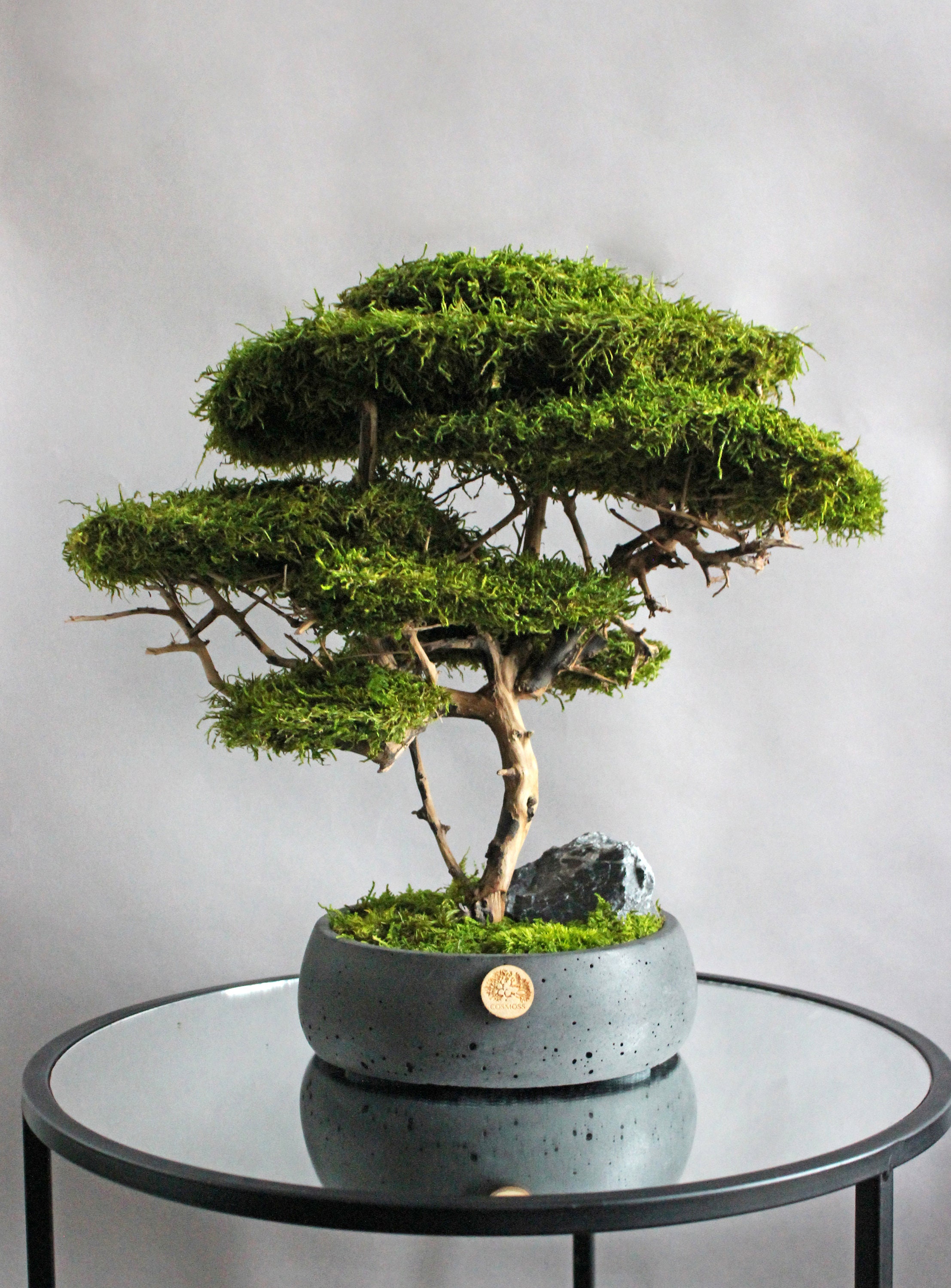
Moss is used mainly for appearance, moisture control, and soil protection. It grows on the soil surface and creates a soft green carpet around the trunk, rocks, and exposed roots.
Moss can provide these benefits:
- Improved appearance: It gives a bonsai a mature, woodland look.
- Reduced soil erosion: Moss helps keep soil in place during watering.
- Less surface drying: It can slow moisture loss from the top layer.
- Root protection: A thin cover can shield shallow roots from heat and wind.
- Better presentation: Moss can make a bonsai display look more complete.
Moss does not feed the tree. It does not replace fertilizer, drainage, pruning, or correct watering. It is also not proof that the bonsai has ideal moisture below the surface.
Moss versus lichen
Moss is a small, nonflowering plant. It has soft green stems and leaves but no true roots. Lichen is a partnership between a fungus and an alga or a related organism. Lichen may grow on bonsai bark or rocks, but it is not the same as moss.
Moss versus sphagnum moss
The term “sphagnum moss” can mean two different products:
- Live sphagnum: A living moss that may grow when kept wet and cool.
- Dried sphagnum peat moss: Dead, dried material used in horticulture and potting mixes.
Dried sphagnum is useful for air layering, root recovery, and moisture management. It is not the same as a living green carpet for the soil surface.

Which Moss Is Best for Bonsai?
The best moss for bonsai is usually a low-growing species that tolerates the tree’s light and watering pattern. There is no single moss that works for every bonsai in every part of the United States.
Common choices include:
| Moss type | Best use | Main benefit | Main limitation |
|---|---|---|---|
| Sheet moss | Outdoor displays and broad soil surfaces | Easy to divide into small pieces | May dry out or lift from the soil |
| Cushion moss | Small pots and accent plantings | Compact, dense growth | Can hold too much water in humid conditions |
| Fern moss | Moist, shaded displays | Soft texture and woodland look | Often fails in hot, dry sun |
| Live sphagnum | Moisture-loving setups and recovery work | Holds water well | Too wet for many dry-cycle bonsai |
| Reindeer moss or preserved moss | Indoor display only | Long-lasting color and texture | Not living and offers no soil benefit |
Choose moss by growing conditions
Match the moss to the bonsai rather than choosing it only by color.
- Full-sun outdoor bonsai: Use a moss that can handle bright light, or allow moss to grow only in shaded parts of the soil. Pines and junipers may not suit a constantly wet moss surface.
- Shade-tolerant bonsai: Fern moss, cushion moss, or sheet moss may work well if drainage and airflow remain good.
- Indoor tropical bonsai: Moss may grow if humidity, light, and ventilation are balanced. Keep the pot away from stagnant, wet corners.
- Dry climates: Moss may need shade, frequent misting, or a protected display area. Misting alone will not fix poor root-zone moisture.
- Cold regions: Outdoor moss may go dormant during winter. Protect the bonsai according to the tree species, not only the moss.
A moss species that grows well in coastal Oregon may fail in Arizona, Florida, or the upper Midwest. Local climate, indoor heating, summer heat, and water quality all matter.
How to Grow Moss on Bonsai Soil
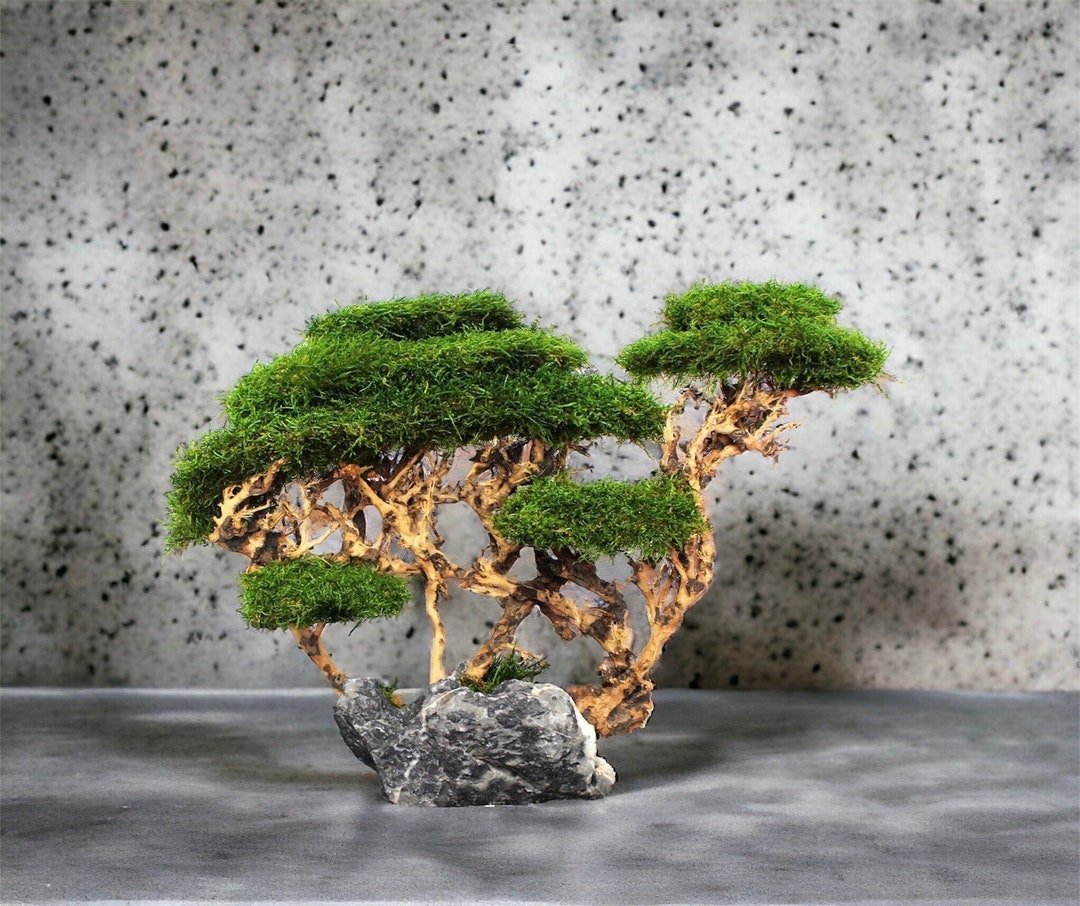
The easiest method is to transplant small pieces of live moss onto a clean, slightly damp soil surface. Moss needs contact with the surface, steady moisture, light, and time to attach.
What you need
Prepare these materials:
- A healthy bonsai with good drainage
- Clean live moss
- A soft brush or tweezers
- A spray bottle with clean water
- A chopstick or small rake
- A clean tray or shallow container
- A shaded, well-ventilated location
Use moss from a clean nursery source when possible. Wild-collected moss may carry insects, weed seeds, fungal spores, or other organisms. Collection may also be restricted on public land or protected sites in the United States.
Step-by-step method
-
Check the bonsai first.
Do not add moss to a tree with sour-smelling soil, weak growth, root rot, or poor drainage. Fix the tree’s health problem first. -
Clean the soil surface.
Remove dead leaves, weeds, algae, and loose debris. Do not bury the trunk flare or exposed surface roots. -
Use a thin layer of soil.
Moss grows best when its lower surface can contact fine particles. A small amount of fine bonsai soil may help, but do not cover the existing soil with a deep compost layer. -
Divide the moss.
Break the moss into small patches. Pieces about the size of a coin are easier to place than one large sheet. -
Press the moss onto the surface.
Set the green side up and press the lower side against the soil. Keep small gaps between pieces so each patch has room to spread. -
Mist gently.
Wet the moss without washing it away. A fine spray works better than a heavy stream. -
Provide bright shade.
Keep the bonsai out of harsh afternoon sun while the moss attaches. The tree still needs enough light for healthy growth. -
Maintain even moisture.
Keep the moss damp but not constantly flooded. Water the bonsai based on the tree and soil, not only on the moss. -
Increase exposure slowly.
Once the moss holds to the surface and shows new growth, return the bonsai to its normal location.
Signs that the moss is taking hold
Healthy moss may show:
- New green growth at the edges
- A firm attachment to the soil
- A fresh color after watering
- Gradual coverage of bare areas
- No sour odor or black, collapsing patches
Moss often establishes slowly. A dry, hot, windy location can stop growth even when the moss receives frequent misting.

How to Make Moss Grow Faster
Moss grows faster when moisture, light, temperature, and surface contact are steady. There is no safe shortcut that makes every moss species spread quickly.
Improve establishment by following these practices:
- Keep the surface free of fallen leaves and fertilizer pellets.
- Use a shallow, fine-textured surface instead of coarse bark.
- Place the bonsai where air moves gently but does not dry the pot rapidly.
- Protect new moss from strong midday sun.
- Avoid disturbing the patches during the first few weeks.
- Water with a gentle stream or fine spray.
- Keep moss away from thick layers of mulch.
- Use clean tools to reduce contamination.
Does moss need soil?
Moss does not need deep soil or normal plant roots. It can grow on soil, rock, bark, and other surfaces if it receives moisture and suitable light. On bonsai, moss often benefits from contact with fine particles that hold moisture around its lower stems.
Do not press moss into a deep, wet layer of organic material. That can reduce drainage and create a favorable environment for root disease.
Can you use a moss slurry?
A moss slurry is a blend of moss fragments, water, and sometimes a food binder such as yogurt or buttermilk. It is often recommended online, but results vary by moss type and climate. Dairy ingredients can smell, attract pests, and encourage unwanted microbial growth.
For bonsai, placing clean moss fragments directly on the soil is usually easier to control. If you try a slurry, test it on a separate tray first. Do not spread it over a valuable tree until you know it will not cause odor, algae, pests, or soil problems.

How to Care for Moss on a Bonsai
Moss care is simple when you treat it as a living ground cover rather than as decoration. It needs moisture, but the bonsai roots still need air.
Watering
Water the bonsai when its soil and tree species require it. Do not water only because the moss looks dry.
A moss-covered surface can remain green while the soil below becomes too dry. It can also look healthy while the lower soil stays wet. Check beneath the moss with a chopstick or inspect the pot’s weight when appropriate.
Use a thorough watering method:
- Water until some water drains from the holes.
- Allow excess water to leave the pot.
- Do not let the bonsai sit in a tray of standing water.
- Check the soil again before watering.
The exact schedule changes with pot size, tree species, season, wind, sun, and local climate.
Light
Most bonsai moss prefers bright, indirect light or filtered outdoor light. Too much direct summer sun can turn it brown. Too little light can lead to thin growth, algae, or weak color.
A bonsai must receive enough light for its own species. Never move a sun-loving tree into deep shade just to preserve moss.
Humidity and airflow
Humidity helps moss, but still air can encourage fungal problems. Good airflow is especially important indoors, in greenhouses, and in humid parts of the Southeast.
Avoid placing the bonsai:
- Against a constantly wet wall
- Inside a sealed display case without ventilation
- Near a heat vent or radiator
- In a dark bathroom with no plant light
- Under a dense moss layer that stays wet for days
Fertilizer
Moss does not need a heavy fertilizer program. Strong fertilizer can burn delicate moss and encourage algae or unwanted growth on the surface.
Apply bonsai fertilizer according to the tree’s needs. Keep fertilizer pellets or concentrated liquids away from the moss when possible. Water thoroughly if fertilizer contacts the surface in excess.
Trimming
Trim moss when it:
- Covers the trunk base
- Hides surface roots
- Blocks drainage holes
- Grows over the pot rim
- Becomes thick enough to stay wet
- Invades a display area where you want bare soil
Use clean scissors or tweezers. Remove only what is needed. A thin, open layer is safer than a dense, sealed carpet.

Common Moss Problems on Bonsai
Most moss problems come from a mismatch between moisture, light, airflow, and the bonsai’s root needs.
| Symptom | Likely cause | What to do |
|---|---|---|
| Moss turns brown and brittle | Dry air, strong sun, or missed watering | Move to filtered light and review watering |
| Moss becomes black or slimy | Constant saturation or poor airflow | Remove damaged moss and let the surface breathe |
| Green algae covers the soil | Too much water and low airflow | Reduce surface wetness and improve light and ventilation |
| Moss lifts from the soil | Poor contact, dry conditions, or disturbance | Press down small pieces and protect from drying |
| Moss grows but the tree declines | Moss is hiding wet soil or root damage | Check the root zone and drainage at once |
| White fuzz appears | Fungal growth on damp organic material | Remove debris, improve airflow, and avoid overwatering |
| Moss dries after repotting | Root disturbance, heat, or low humidity | Provide shade and careful moisture while the tree recovers |
| Weeds appear in the moss | Contaminated material or airborne seeds | Remove weeds early and replace suspect moss |
Brown moss does not always mean the moss is dead. Some moss becomes dormant during heat or drought and may recover after conditions improve. However, do not keep bonsai soil saturated while waiting for moss to return.
When should you remove moss?
Remove some or all moss if:
- Water no longer reaches the soil evenly
- The soil stays wet for too long
- Roots begin to smell sour
- The trunk base remains damp and soft
- Insects or pests hide under the moss
- The moss covers signs of a serious tree problem
- The bonsai needs repotting
Moss is optional. A healthy bonsai with clean, visible soil is better than a sick bonsai with a perfect green carpet.

Is Moss Safe for Every Bonsai?
Moss is not equally suitable for every bonsai. The key issue is the tree’s tolerance for moisture and the speed at which its soil dries.
Moss is often easier to manage on:
- Maples
- Elms
- Hornbeams
- Boxwoods
- Bald cypress
- Many moisture-tolerant broadleaf species
Use more caution with:
- Junipers
- Pines
- Spruce
- Many succulents
- Trees in very humid locations
- Trees in compacted or slow-draining soil
This is not a strict species rule. A pine in a rainy, shaded setting may have different needs from a pine in a hot, dry location. The tree, pot, substrate, and climate must be considered together.
Does moss cause root rot?
Moss does not automatically cause root rot. Root rot is more closely linked to prolonged wet conditions, poor drainage, low oxygen around roots, pathogens, and unsuitable watering.
Moss can contribute indirectly when it:
- Hides wet soil
- Encourages frequent watering
- Forms a thick, waterlogged layer
- Covers a drainage problem
- Reduces evaporation in a cool, humid setting
Keep the moss thin and inspect the soil below it.
Can moss damage bonsai bark?
Moss usually does not damage healthy bark by itself. However, constant moisture around the trunk base can soften bark and create conditions that favor disease or decay.
Keep moss slightly away from the trunk flare. Do not pack wet moss into hollows, wounds, or deadwood features unless the care plan specifically requires it.

How to Collect Moss Safely in the United States
The safest choice is clean moss from a reputable nursery or specialty supplier. If you collect moss, confirm that collection is allowed on the property and avoid protected habitats.
Follow these rules:
- Never collect from national parks, preserves, or private land without permission.
- Avoid roadsides, chemically treated lawns, industrial areas, and sites exposed to pesticides.
- Do not remove large mats from one location.
- Take only small pieces from abundant growth.
- Inspect the moss for insects, weed seeds, and disease.
- Keep collected moss separate from your bonsai collection.
- Quarantine it before use.
- Do not release nonnative moss into local habitats.
Wild moss can contain organisms that are harmless outdoors but troublesome in a confined pot. A short quarantine period in a separate tray can help you identify pests and unwanted plants before the moss reaches a valuable bonsai.
Can you use moss from a forest?
You may be able to use forest moss only when collection is legal and the site is clean. Permission and local rules vary across the United States. Public land often has specific limits or bans on removing plants, rocks, soil, or other natural materials.
Check the rules for the exact land manager before collecting. A nursery source avoids many legal and pest risks.

Moss for Bonsai: A Simple Decision Guide
Choose moss based on the conditions below.
| Your situation | Recommended approach |
|---|---|
| You want a natural display | Use a thin layer of live sheet or cushion moss |
| Your bonsai dries very slowly | Use little or no moss and keep the soil visible |
| Your bonsai dries very fast | Use small moss patches and add shade, not just more water |
| You grow indoors | Use live moss only with strong light and good airflow |
| You have a pine or juniper | Keep moss sparse and monitor the soil closely |
| You need a temporary display | Use preserved moss, but do not water it |
| You are recovering roots | Use live sphagnum only when the recovery method calls for it |
| You found wild moss | Quarantine it and verify collection rules first |
| Moss keeps dying | Fix light, moisture, temperature, or airflow before replacing it |
The best moss setup is one that does not change the bonsai’s core care routine. If moss forces you to water more often than the tree needs, it is the wrong choice for that pot.
Key Takeaways
- Moss is a living surface cover, not bonsai soil.
- Use it to improve appearance and reduce surface erosion.
- Choose moss based on light, humidity, airflow, and watering needs.
- Keep moss thin and away from the trunk base.
- Do not let moss hide wet soil or drainage problems.
- Water for the bonsai, not only for the moss.
- Buy clean moss or collect only where it is legal and safe.
- Remove moss when it causes poor airflow, excess moisture, or hidden root problems.
Frequently Asked Questions
Can I put moss directly on bonsai soil?
Yes. Place clean, live moss directly on a lightly damp soil surface. Press it down so the lower side touches the soil. Avoid adding a thick organic layer beneath it.
How often should I mist moss on bonsai?
Mist only as needed to prevent the moss from drying while it establishes. Misting does not replace deep watering of the bonsai. In hot, dry weather, the moss may need more frequent attention, but the roots still need a wet-dry cycle suited to the tree.
Why does moss turn yellow on my bonsai?
Yellow moss may result from strong sun, poor light, dry air, excess water, nutrient exposure, temperature stress, or natural aging. Check light and moisture first, then inspect for algae, pests, and compacted surface material.
Can I grow moss indoors with a bonsai?
Yes, but indoor moss needs enough light, steady moisture, and airflow. A plant light may be needed because ordinary room light is often too weak. Keep the pot away from heating vents and enclosed, stagnant spaces.
Should I remove moss before repotting a bonsai?
Usually, remove enough moss to inspect the soil and work safely. You can save healthy pieces and replace them after repotting. Do not cover fresh root work with a thick wet layer until the tree has begun to recover.
Is preserved moss suitable for bonsai?
Preserved moss is suitable for decoration but not for living soil coverage. It does not grow, regulate moisture, or protect roots. Keep it separate from the tree’s watering area.
Conclusion
Moss can give a bonsai a calm, natural look while helping hold the soil surface in place. The safest approach is simple: choose a clean moss, use a thin layer, provide suitable light and airflow, and check the soil beneath it.
If the moss and the bonsai need different moisture levels, prioritize the tree. A healthy root system matters more than a green surface. Start with a small patch, watch it for several weeks, and expand only when the bonsai remains vigorous.
Sources for Further Reading
- U.S. National Arboretum, bonsai collections and horticultural information: usna.usda.gov
- National Bonsai & Penjing Museum, care and bonsai education resources: bonsai-nbf.org
- USDA Natural Resources Conservation Service, plant and soil information: nrcs.usda.gov
- USDA Forest Service, mosses and forest ecology resources: fs.usda.gov
- American Bonsai Society, bonsai education and regional resources: absbonsai.org