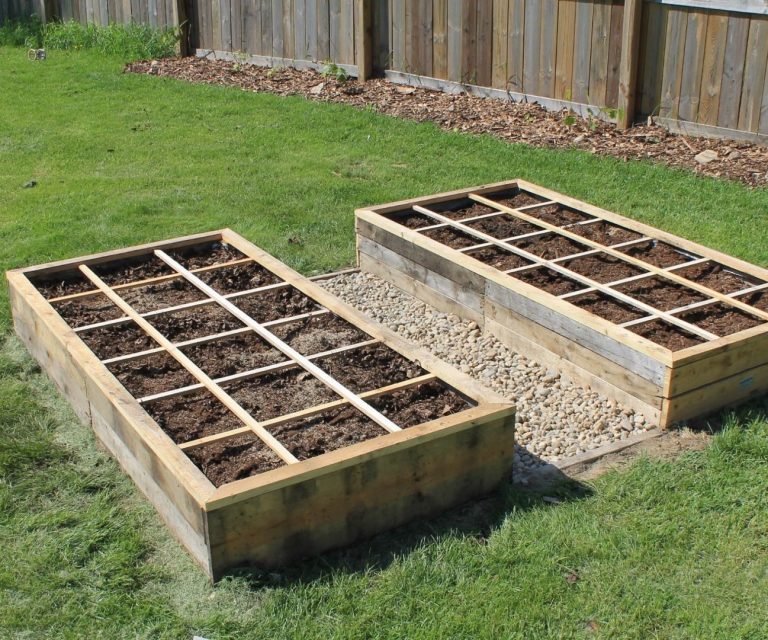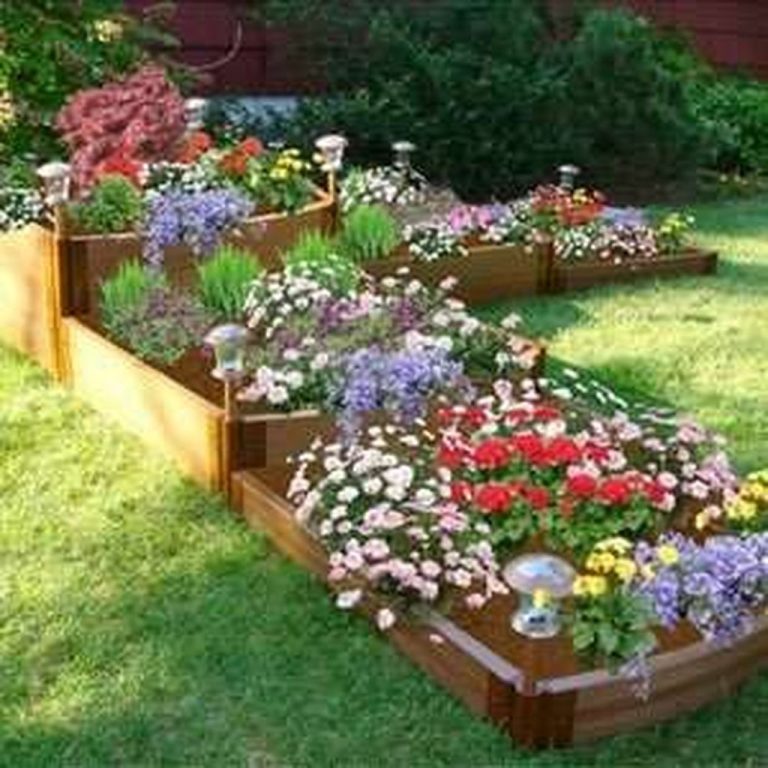
How To Arrange Plants In A Raised Bed: Easy Guide
A raised bed gives plants better soil, easier access, and more control over water and weeds. Yet a bed can still fail when plants sit in the wrong place. Tall crops may shade lettuce. Large zucchini may smother carrots. Dry-loving herbs may suffer beside thirsty cucumbers.
The best way to arrange plants in a raised bed is to place each crop by height, root depth, spacing, sun need, water need, and harvest time. Put tall plants on the north side, medium plants in the center, and short plants along the south edge. Group plants with similar needs, then leave enough room for air flow and harvest.
I have planned raised beds in cool coastal gardens, hot Zone 8 yards, and short-season Zone 4 plots. The same rule works in each place: treat the bed like a small community. Every plant needs light, food, water, and room. Good layout gives each one a fair share.

Quick answer: arrange your raised bed in layers
Arrange raised bed plants with tall crops on the north side, medium crops in the middle, and low crops on the south side. Group plants by sun, water, soil, and harvest needs. Keep sprawling crops at an edge or use a trellis. Leave paths between sections so you can weed, water, and harvest without stepping on the soil.

A simple layout often works better than a packed “maximum harvest” plan. Start with the plants your household eats most. Then add herbs, flowers, and a few trial crops.
For most beds, use this order:
- North edge: Tomatoes, pole beans, cucumbers on a trellis, peas, and tall flowers.
- Middle: Peppers, eggplants, broccoli, kale, chard, and bush beans.
- South edge: Lettuce, radishes, onions, carrots, beets, and herbs.
- Corners or outside edges: Mint in a pot, nasturtiums, strawberries, or squash trained away from the bed.
Start with the bed’s size, sun, and access
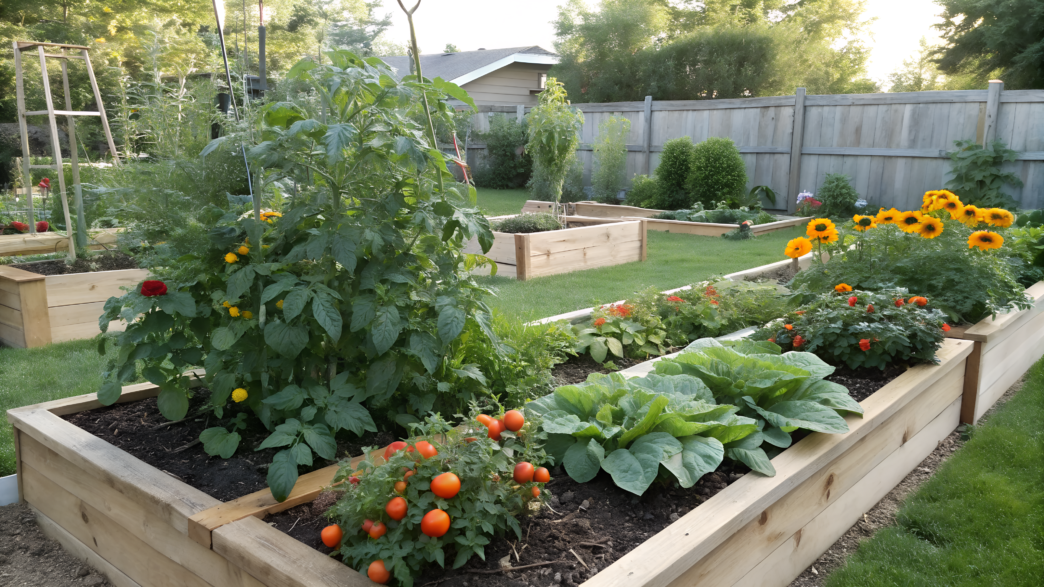
The bed’s shape controls your planting plan. A 4-by-8-foot raised bed has 32 square feet, but not all 32 square feet should carry plants. You need room to reach the center, check leaves, pull weeds, and pick ripe produce.
Measure the bed before choosing plants
A bed that is 3 to 4 feet wide is easy to reach from both sides. If one side touches a wall or fence, keep the width near 2 to 3 feet. A 4-by-8-foot bed works well when you can walk around all four sides.
Avoid making a bed so wide that you must lean across wet soil. Reaching too far compacts the soil and can damage roots. I once built a 5-foot-wide bed against a fence. The center looked fine, but I could not reach the back row without stepping on the frame. The bed became hard to maintain by midsummer.
Track sunlight for one full day
Most fruiting crops need at least 6 to 8 hours of direct sun. This includes tomatoes, peppers, cucumbers, squash, beans, and eggplants. Leaf crops such as lettuce, arugula, and spinach can manage with 4 to 6 hours, especially in warm climates.
Watch the bed in spring and again in summer. A fence, shed, tree, or neighbor’s roof can cast a longer shadow than expected. In USDA Zones 8 and warmer, some afternoon shade can protect lettuce and cilantro from heat. In Zones 3 through 6, full sun helps crops mature before frost.
Plan the walking space
Leave a path at least 18 to 24 inches wide around the bed. Use wood chips, gravel, straw, or a living ground cover in the path. The path should stay dry enough for harvest and wide enough for a garden cart.
Inside the bed, avoid narrow strips that force you to reach across other plants. A central path can help in a bed wider than 4 feet, but it reduces growing space. For most home gardens, two or three planting blocks work well.
Use height to stop plants from stealing light
Tall plants should sit on the north side of the bed. This layout lets the sun reach low plants as it moves across the southern sky. In the Southern Hemisphere, reverse this rule and place tall plants on the south side.

| Plant height | Good placement | Examples |
|---|---|---|
| Tall, 4–8 feet | North edge or trellis | Pole beans, tomatoes, peas, cucumbers |
| Medium, 1–4 feet | Center rows | Peppers, kale, bush beans, eggplant |
| Low, under 18 inches | South edge or open gaps | Lettuce, radish, carrots, thyme |
This height system is simple, but it needs one adjustment. A tall crop on the north edge can still shade a plant if the bed sits beside a west or east wall. Check the full path of sunlight, not just the compass direction.
Put trellises where they will not block the bed
A trellis saves space, but it also creates shade. Place it on the north side whenever possible. Secure it before planting because a mature cucumber or bean vine can become heavy after rain.
Use a strong trellis for indeterminate tomatoes, pole beans, and cucumbers. A tomato cage works for some compact varieties, but many indeterminate tomatoes grow 6 to 10 feet tall. A weak cage will bend under the plant’s weight.
Give sprawling plants an exit route
Zucchini, winter squash, melons, and some cucumbers need more room than their root zone suggests. Plant them at a corner or edge and guide vines into a path or open lawn. Do not place them in the center of a mixed bed.
A single zucchini can spread 4 to 6 feet. You can save bed space by growing compact varieties such as ‘Raven’ zucchini, but even these need room for wide leaves and air movement.
🌱 Beginner Note: A plant’s mature size matters more than its label size. “Compact” does not mean tiny. Check the seed packet or plant tag for spread, not just height.
Group crops by water, soil, and root needs
Plants grow better when neighbors share similar needs. Tomatoes, peppers, and basil enjoy warm soil and steady moisture. Rosemary, thyme, and oregano prefer drier soil and can suffer beside thirsty cucumbers.

| Plant group | Soil and water needs | Suitable neighbors |
|---|---|---|
| Moisture lovers | Even moisture, rich soil | Cucumbers, lettuce, celery |
| Warm fruiting crops | Full sun, fertile soil, deep watering | Tomatoes, peppers, basil |
| Dry-soil herbs | Sharp drainage, less water | Thyme, oregano, rosemary |
| Root crops | Loose soil, low nitrogen | Carrots, radishes, beets |
Group plants with similar needs in the same bed zone. This makes watering easier and reduces the chance of overwatering one plant to satisfy another.
Keep dry herbs separate from thirsty crops
Mediterranean herbs need excellent drainage. Rosemary and thyme often decline in heavy, wet soil. Plant them near the edge of a bed with extra grit, or grow them in their own container.
Basil is different. It likes rich soil and regular water, so it fits well near tomatoes and peppers. Sage can handle drier soil, but it still needs enough moisture while young.
Match root depth to bed depth
A raised bed should have at least 8 to 12 inches of usable soil for most vegetables. Carrots, parsnips, and long beets need deeper, loose soil. If the bed sits on hard ground, roots may stop at the base.
Use deep soil for:
- Carrots and parsnips
- Tomatoes
- Eggplant
- Cucumbers
- Winter squash
- Asparagus
Shallow beds can still grow lettuce, radishes, onions, herbs, and many leafy greens. Do not fill a 6-inch bed with long carrots and expect straight roots.
Avoid crowding plants with different root habits
A deep-rooted tomato can grow near shallow lettuce, but the tomato may eventually shade it. A shallow onion can grow near a deeper pepper without much conflict. This layered root pattern helps use space, but it does not replace correct plant spacing.
Choose a spacing pattern that fits the crop
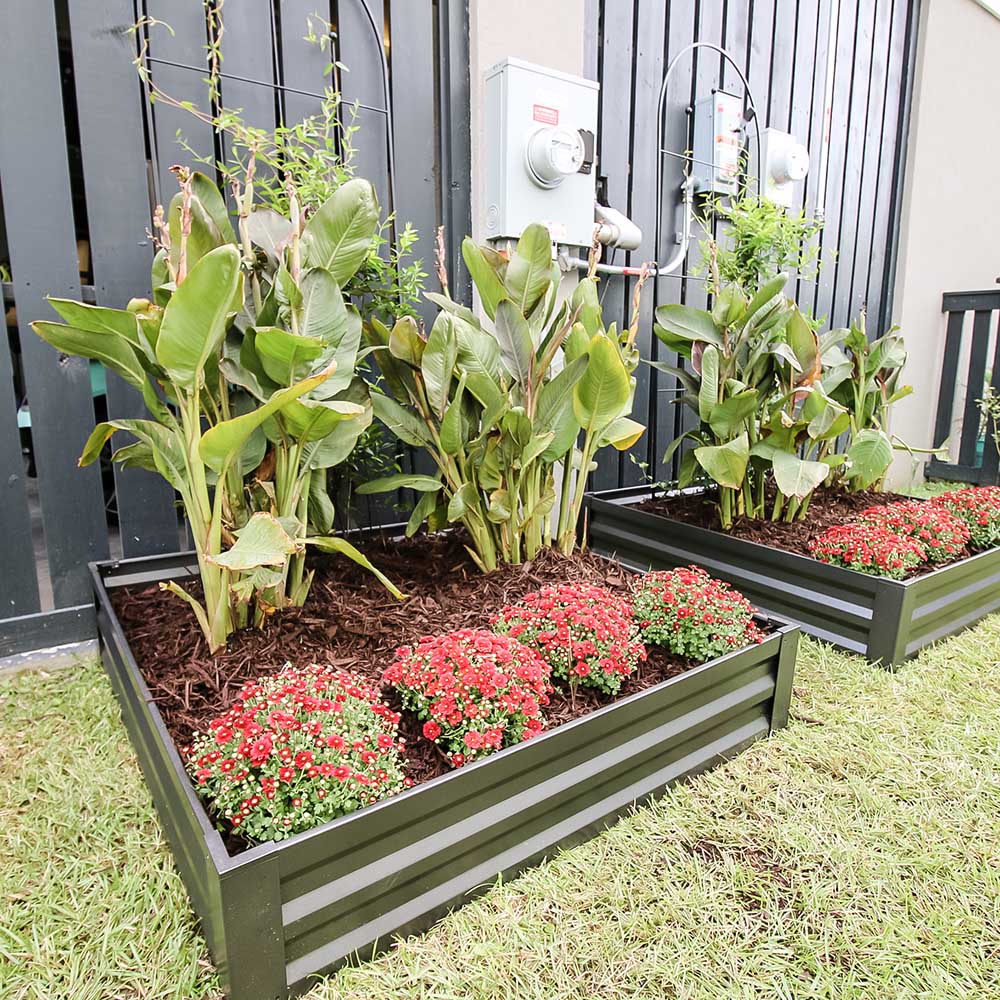
Raised beds work well with intensive planting, but intensive does not mean random. Use the mature width of each plant. A tomato that needs 24 inches of space cannot grow well in a 12-inch square just because the seedling looks small.
| Crop | Typical spacing | Raised-bed note |
|---|---|---|
| Head lettuce | 8–12 inches | Plant in blocks for steady harvest |
| Bush bean | 6–8 inches | Use rows or a grid |
| Carrot | 2–3 inches | Thin seedlings early |
| Pepper | 15–18 inches | Keep in the warmest section |
| Tomato | 18–30 inches | Use a cage or trellis |
| Zucchini | 36–48 inches | Place at an edge and guide vines |
Square-foot gardening can help new gardeners. In a 12-inch square, you might grow one pepper, four lettuce heads, nine bush beans, or sixteen carrots. Adjust these numbers for variety size, airflow, and local humidity.
Use blocks instead of long single rows
A block of lettuce often uses space better than one long row. A block also makes watering simple. Planting in blocks can reduce bare soil where weeds grow.
However, do not create a solid wall of one crop. A dense block of tomatoes or cucumbers can hold moisture and invite fungal disease. Leave air gaps around large plants, especially in humid areas such as the Southeast.
Leave harvest room
Place crops you harvest often near the bed edge. Put lettuce, herbs, radishes, and baby greens where you can reach them quickly. Put long-season crops such as Brussels sprouts or leeks where they will not block access to small crops.
You can plant quick crops between slow crops early in the season. Radishes can grow between young broccoli plants. Lettuce can grow beside small peppers. Harvest the quick crop before the larger plant needs the space.
Build a planting plan for a 4-by-8-foot bed
A 4-by-8-foot bed gives enough room for a mixed planting plan. The following example suits a sunny site in USDA Zones 5 through 8. Shift the dates and crop choices for your local frost dates.
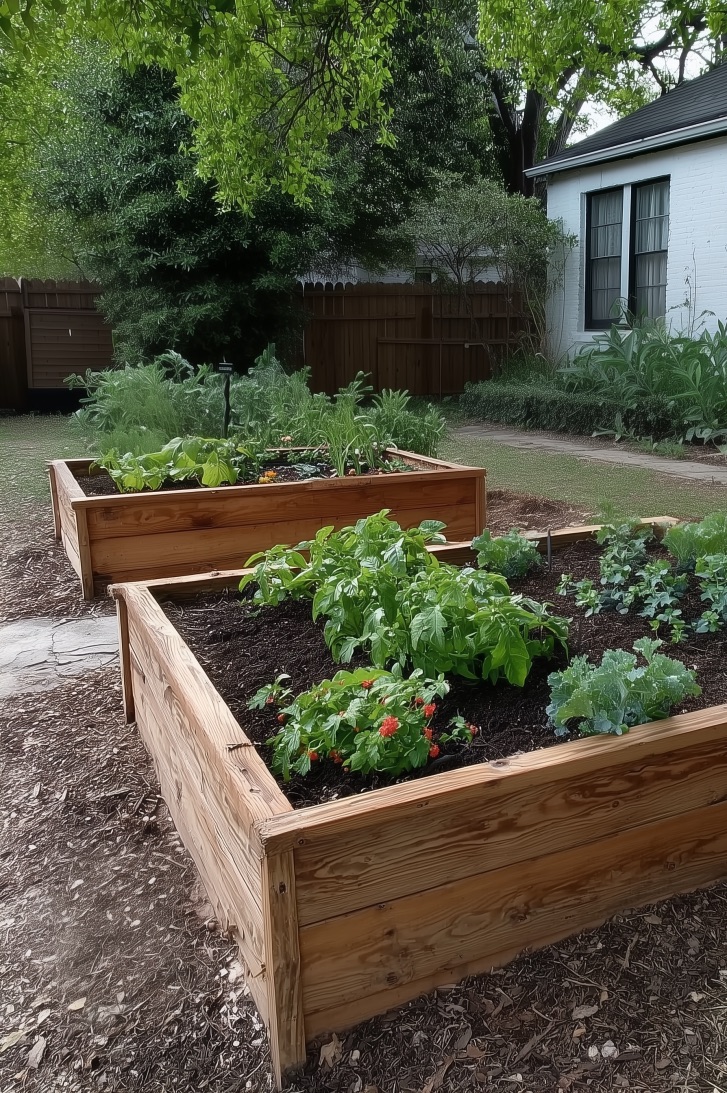
Example layout
Place a trellis along the north 8-foot side. Grow cucumbers, peas, or pole beans there. In front of the trellis, plant two or three peppers, two basil plants, and one compact eggplant.
Use the center for kale, bush beans, or chard. On the south edge, plant lettuce, radishes, scallions, and parsley. Keep thyme and oregano near one dry corner, where you can limit water.
A simple plan might look like this:
NORTH
[ Trellis: cucumbers or pole beans ]

[ Kale ] [ Pepper ] [ Basil ] [ Eggplant ]

[ Bush beans ] [ Chard ] [ Lettuce ]

[ Radish ] [ Carrot ] [ Scallion ] [ Thyme ]
SOUTH
Rotate the layout each season
Do not plant tomatoes, peppers, eggplant, or potatoes in the same section every year. These crops belong to the nightshade family and can share soil pests and diseases. Rotate plant families when you can.
A three-year rotation may look like this:
| Year | Main crop group | Follow-up crop |
|---|---|---|
| Year 1 | Tomatoes and peppers | Fall lettuce or rye |
| Year 2 | Beans and peas | Kale or carrots |
| Year 3 | Cucumbers and squash | Garlic or onions |
Rotation helps, but it does not solve every problem. Raised beds can still develop tomato blight, cucumber beetles, or poor soil. Clean plant debris and use healthy transplants too.
Combine companion plants with practical spacing
Companion planting works best when it improves space, pest monitoring, or pollination. It does not turn a poor layout into a healthy one. Basil near tomatoes may attract pollinators and fit the same water pattern, but it will not stop every tomato hornworm.

Good combinations include:
- Tomatoes with basil, parsley, or lettuce
- Carrots with scallions or radishes
- Cucumbers with dill and bush beans
- Brassicas with thyme, dill, or calendula
- Peppers with basil and compact flowers
- Strawberries with thyme along an outer edge
Avoid planting aggressive mint directly in a raised bed. Mint spreads through underground stems and can fill a bed within a season. Keep it in a pot, even if the pot sits on the bed edge.
Add flowers for pollinators
Flowers can bring bees, hoverflies, and other helpful insects. Calendula, alyssum, borage, nasturtium, and marigold all fit many vegetable beds. Use compact varieties so flowers do not shade crops.
Borage attracts bees but becomes large. Plant it at a corner and remove seedlings that appear in unwanted spots. Nasturtiums can trail over an edge, which makes them useful in a bed with open space outside the frame.
Do not use companion plants as a pest cure
A few marigolds will not stop a serious squash bug problem. A strong pest plan still needs crop covers, hand picking, clean beds, and regular leaf checks. Look under leaves once or twice each week during peak pest season.
Plant in succession for a longer harvest
Succession planting means replacing a crop after harvest. It keeps the bed productive instead of leaving empty soil for months. This works well with lettuce, radishes, spinach, bush beans, cilantro, and baby carrots.

| First crop | When to replace it | Good second crop |
|---|---|---|
| Radishes | After 25–35 days | Bush beans or fall lettuce |
| Peas | After hot weather or harvest ends | Kale or carrots |
| Lettuce | When plants bolt | Beans or fall spinach |
| Early potatoes | After harvest | Cover crop or fall greens |
| Garlic | After midsummer harvest | Fall brassicas |
In Zone 6, I often sow radishes and leaf lettuce in early spring. After harvest, I plant bush beans in the open squares. By late summer, I replace beans with kale, spinach, or Asian greens.
In hot Zones 8 and 9, lettuce may stop growing in June. Use shade cloth or switch to heat-tolerant greens such as ‘Jericho’ romaine, Swiss chard, or Malabar spinach.
Use empty spaces without overcrowding
Empty space is not always wasted space. Plants need air, light, and room for roots. A bed packed with seedlings can look productive in May but become weak and diseased in July.
Plant quick crops only where the mature crop will not need the space within a few weeks. Pull the quick crop when it begins to crowd the main crop.
Prepare the soil before arranging plants
Raised-bed soil should drain well, hold moisture, and support steady root growth. A common mix uses topsoil, finished compost, and a light, well-drained material such as pine bark fines. Avoid using pure compost because it can settle, dry unevenly, or contain too many soluble salts.

Test pH and fertility
Most vegetables grow well in soil with a pH between 6.0 and 7.0. Blueberries need more acidic soil, often near pH 4.5 to 5.5, so they usually belong in a separate container or bed.
Use a soil test before adding lime, sulfur, or strong fertilizer. Excess nitrogen can produce huge leaves but few tomatoes, peppers, or beans. A balanced organic fertilizer such as 4-4-4 may help a new bed, but the correct rate depends on the soil test.
Improve soil without destroying its structure
Add 1 to 2 inches of finished compost to the surface each season. Mix it lightly into the top few inches rather than turning the bed deeply. Deep digging can harm soil structure and earthworm channels.
Use shredded leaves, straw, or compost as mulch. Keep mulch 2 to 3 inches away from tomato stems and other plant crowns. Wet mulch touching stems can promote rot and provide cover for slugs.
💡 Pro Tip: Water the bed after adding dry compost or fertilizer, then wait a few days before planting tender seedlings. This lets the material settle and reduces the risk of root stress.
Arrange plants for simple watering
Place plants with similar water needs together and run irrigation along each group. Drip tape or soaker hoses work well in raised beds because they deliver water near the soil surface and keep leaves dry.

Water deeply and check the soil with your finger. If the top 1 inch feels dry, many young plants need water. Large tomatoes and cucumbers may need a deeper soak than shallow lettuce.
Morning watering works best in most gardens. It gives leaves time to dry and helps plants handle heat. In very hot climates, a second short session may help container-like raised beds during extreme weather.
| Weather or plant stage | Watering approach |
|---|---|
| New seedlings | Light water as needed; keep the top inch moist |
| Established greens | Water when the top 1–2 inches dry |
| Fruiting crops | Deep water 1–2 times weekly, more in heat |
| Heavy rain | Check soil before watering again |
| Heat above 90°F | Inspect daily; shade shallow-rooted crops |
The exact schedule depends on soil, mulch, wind, and bed depth. Sandy soil dries faster than loam. A bed filled with compost-rich soil may hold water longer but can still dry at the edges.
Keep irrigation lines accessible
Run hoses along rows before plants become large. Put a shutoff valve near the bed so you can control water without walking through the planting area. Label different lines if one area needs less water.
Avoid spraying the entire bed from above every evening. Wet foliage and poor air flow can increase powdery mildew, downy mildew, and leaf spot.
Plant for each season in your climate
Raised beds warm earlier than in-ground soil, but they can also cool faster at night. Timing still depends on frost, soil temperature, and crop type.

Spring arrangement
Start with cool-season crops such as peas, spinach, lettuce, radishes, kale, onions, and broccoli. In Zones 3 through 5, use row cover or a low tunnel to protect young plants from frost.
Wait for warm soil before planting tomatoes, peppers, cucumbers, beans, eggplant, and basil. These crops can stop growing after a cold night, even when air temperatures seem mild.
Summer arrangement
Once the bed warms, replace finished spring crops with beans, basil, cucumbers, and heat-tolerant greens. Keep tomatoes and peppers where they receive the strongest sun. Use shade cloth for lettuce and cilantro in hot climates.
Summer is also the time to tie vines, prune crowded leaves, and check for pests. A good layout makes these jobs quick. A tangled layout turns each harvest into a search mission.
Fall arrangement
Count backward from your first expected frost. Plant fall carrots, spinach, kale, radishes, and Asian greens early enough to mature. In Zone 5, fall kale may keep producing under light row cover. In Zone 8, fall planting can be one of the most productive seasons.
Remove diseased plants at once. Healthy roots can stay until frost, but do not leave infected tomato or squash vines on the bed.
Winter arrangement
In mild climates, grow garlic, onions, winter lettuce, and hardy greens. In cold zones, cover bare soil with compost and leaves, or plant a cover crop such as winter rye, oats, or crimson clover.
Do not walk on frozen, wet soil. It can compact badly and take months to recover.
Avoid these common raised-bed layout mistakes
Most layout problems come from planning for the seedling stage rather than the mature plant. A bed can look perfect on planting day and fail four weeks later.

| Problem | Why it happens | Fix |
|---|---|---|
| Lettuce turns bitter | Too much heat or shade from large crops | Plant early, use shade cloth, or harvest young |
| Tomato leaves stay wet | Crowding or overhead watering | Increase spacing and water at soil level |
| Carrots fork | Hard soil, stones, or excess nitrogen | Use deep, fine soil and avoid fresh manure |
| Cucumbers wilt | Dry roots, beetles, or disease | Check soil, inspect stems, and use row cover |
| Herbs decline | Too much water or poor drainage | Move dry herbs to a separate section |
| Beans produce little | Shade, heat stress, or poor pollination | Improve sun and keep soil evenly moist |
The first fix should match the symptom. Do not add fertilizer to every weak plant. Yellow leaves can come from low nutrients, cold soil, root damage, or excess water.
⚠️ Warning: Never use fresh manure in a bed where you will grow vegetables soon. It can burn roots and may carry harmful pathogens. Use fully composted manure and follow local food-safety guidance.
My raised-bed layout lessons from two seasons
In my own 4-by-8-foot bed, I first planted three indeterminate tomatoes along the north edge, with peppers and basil in front. The tomatoes grew well but created too much shade by late July. The peppers produced fewer fruits than those in a separate sunny pot.
The next season, I grew two tomatoes instead of three and placed them at the far northwestern corner. I added a sturdy trellis for cucumbers along the north side and moved peppers into the middle. The peppers set more fruit, and I could reach the lettuce without brushing tomato leaves.
I also learned that dill can become a large plant. I allowed it to self-seed near the bed, and it shaded carrots and young beans. Now I grow dill at the outer corner and cut it back after flowering.
One idea did not work well: planting strawberries along the whole south edge. The berries looked attractive, but runners filled the bed and competed with lettuce. Strawberries now grow in their own narrow bed, where their runners are easier to control.
Keep a simple raised-bed maintenance plan
A good arrangement lowers maintenance, but every bed still needs care. Check leaves, soil moisture, ties, mulch, and pests each week. Small problems are easier to fix before roots and vines fill the bed.
| Task | How often | What to check |
|---|---|---|
| Check soil moisture | 2–4 times weekly | Dry topsoil, wilt, cracked soil |
| Inspect pests | Weekly | Chewed leaves, eggs, insects |
| Tie tall crops | Weekly in summer | Loose stems, leaning trellises |
| Remove weeds | Weekly | Weeds before seed forms |
| Add mulch | As needed | Bare or crusted soil |
| Harvest | Daily or every few days | Overripe beans, cucumbers, greens |
Harvesting also keeps the layout productive. Pick beans while slender, cucumbers before they become seedy, and outer lettuce leaves as needed. Regular picking encourages many crops to keep producing.
At the end of the season, remove diseased foliage and dispose of it according to local rules. Do not add badly infected tomato or squash vines to a cool home compost pile.
Pros and cons of mixed raised-bed planting
Mixed planting makes a bed productive and attractive, but it also adds planning work. The right choice depends on how much time you have and how often you want to monitor the garden.
| Advantages | Limitations |
|---|---|
| Uses vertical and horizontal space | Crowding can increase disease |
| Supports long harvests | Different crops may need different water |
| Makes room for herbs and flowers | Large plants can hide pests |
| Easy to adapt with succession crops | Crop rotation takes more planning |
| Can reduce bare soil and weeds | Harvest access can become difficult |
Mixed beds suit gardeners who enjoy frequent checks and varied harvests. A single-crop bed may suit someone who wants simple irrigation or grows a large quantity of one vegetable.
Know when a different layout works better
Not every plant belongs in a mixed raised bed. Perennial herbs, invasive plants, and large perennial vegetables often need their own space.
Grow mint, horseradish, and Jerusalem artichokes in containers or isolated beds. Give asparagus a long-term bed because it can produce for many years and does not fit an annual rotation.
Use containers for blueberries if your native soil is not acidic. Use a dedicated trellis bed for grapes, raspberries, or vigorous kiwiberries. The best alternative to a crowded raised bed is often a second, smaller growing space.
A vertical garden can work for peas, cucumbers, beans, and compact tomatoes. It does not replace deep soil for carrots or large root crops. A grow bag can suit peppers and tomatoes, but it dries faster than a raised bed and needs closer watering.
FAQs about arranging plants in raised beds
Q: Which side of a raised bed should tall plants go on?
A: Put tall plants on the north side in the Northern Hemisphere. This reduces shade on shorter plants. In the Southern Hemisphere, place tall plants on the south side.
Q: How many plants can grow in a 4-by-8-foot raised bed?
A: It depends on the crop. You might grow two tomatoes, six peppers, sixteen lettuce heads, or dozens of carrots. Do not use one plant count for the whole bed because mature spacing varies.
Q: Can tomatoes and cucumbers grow together?
A: Yes, if both receive full sun, steady water, and strong support. Give them enough space for air flow. Keep cucumber vines on a trellis so they do not cover tomatoes or nearby greens.
Q: Should vegetables be planted in rows or blocks?
A: Blocks often use raised-bed space well and reduce bare soil. Rows may work better for drip irrigation, root crops, or large plantings. Choose the pattern that gives you clear access and correct spacing.
Q: How close can plants be in a raised bed?
A: Use the mature spacing on the seed packet or plant tag. Lettuce may need 8 to 12 inches, while tomatoes may need 18 to 30 inches. High humidity calls for more space and better air flow.
Q: Can I plant herbs in the same raised bed as vegetables?
A: Yes, but group herbs by water needs. Basil fits near tomatoes and peppers. Thyme, rosemary, and oregano prefer sharper drainage and less water, so they may do better at an edge or in containers.
Q: What should I plant in a raised bed for beginners?
A: Start with lettuce, radishes, bush beans, basil, scallions, and compact peppers. These crops are fairly easy to space and harvest. Add tomatoes or cucumbers after you learn how quickly large plants fill the bed.
Q: Why are my plants growing tall and weak?
A: They may lack light, sit too close together, or receive too much nitrogen. Move or thin plants where possible. Place tall crops on the north side and give fruiting plants at least 6 to 8 hours of sun.
Q: Can I plant flowers in a vegetable raised bed?
A: Yes. Calendula, alyssum, nasturtium, and compact marigolds can add color and support pollinators. Keep large flowers such as borage at a corner so they do not shade food crops.
Q: How often should I change the plants in a raised bed?
A: Replace fast crops after harvest and rotate plant families each year when possible. Move tomatoes, peppers, eggplant, and potatoes to a different section in the next season. Add compost and remove diseased debris between crops.
Q: Is companion planting enough to control pests?
A: No. Companion planting can support pollinators and make good use of space, but it will not stop every pest. Inspect leaves, use row cover when suitable, remove damaged plants, and choose resistant varieties.
Q: Should I cover the soil between plants?
A: Yes. A 1- to 3-inch layer of clean mulch can slow weeds and reduce water loss. Keep mulch away from plant stems and crowns to reduce rot and pest shelter.
Arrange the bed around the way you garden
A productive raised bed is not just a map of plant names. It is a working space. Put tall crops where they will not block light, group plants with similar needs, and leave room for your hands, hose, and harvest basket.
Start with a small plan. Use one bed for crops you already eat, then test new varieties in open spaces. After one season, note which plants shaded others, which dried out, and where harvesting felt awkward. Your second layout will usually be much better because it will reflect your own sun, soil, climate, and habits.
Meta description: Learn how to arrange plants in a raised bed using height, spacing, sunlight, water needs, companion planting, crop rotation, and seasonal layouts for better harvests.