
Is My Bonsai Dead: Signs And Recovery Tips
If your bonsai has lost its leaves, looks dry, or has stopped growing, it may not be dead. In the United States, many outdoor bonsai trees lose leaves during fall and winter as part of normal dormancy. Tropical bonsai kept indoors can also drop leaves after changes in light, temperature, watering, or humidity.
The best way to tell is to check the twigs, trunk, roots, and soil together. Do not rely on leaf loss alone. A bonsai may look lifeless above the soil while its roots and lower trunk are still alive.

Quick Answer: Is My Bonsai Dead?
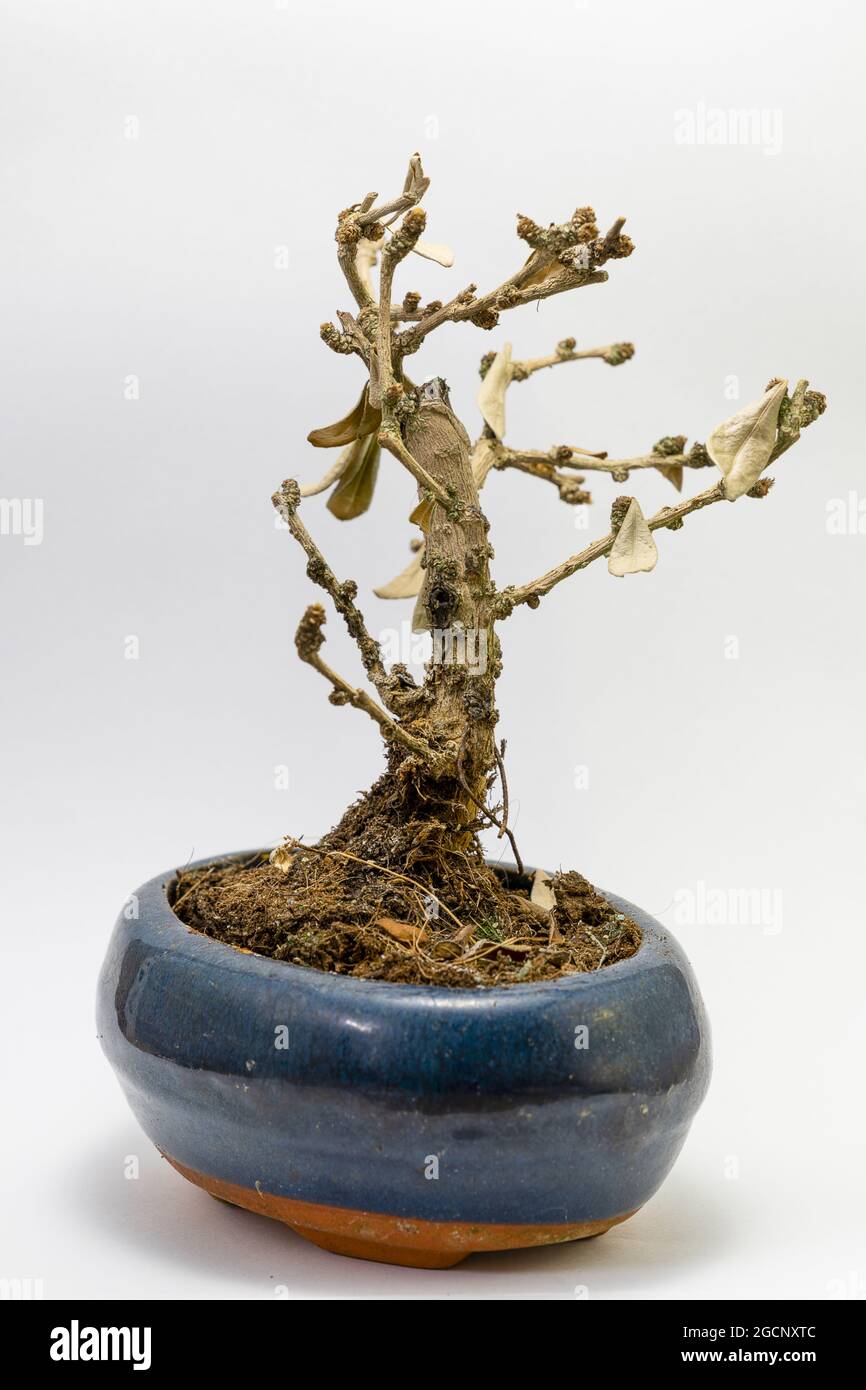
Your bonsai may be dead if its small branches are brittle, the bark is dry and shriveled, the cambium is brown beneath the bark, and the roots are dark, mushy, or badly decayed.
It may still be alive if:
- Small twigs bend instead of snap.
- The tissue beneath the bark is green or moist.
- Buds remain firm.
- The trunk stays firm.
- Roots are light-colored and firm.
- New buds begin to swell when the tree is in its normal growing season.
Use several signs together. One test can give a false result, especially in winter or after drought.
Key Takeaways
- Leaf loss does not always mean death.
- A deciduous bonsai may be dormant, not dead.
- Scratch the bark lightly on a young twig to check for living tissue.
- Check the roots only if the other signs are unclear or the soil smells sour.
- Do not fertilize or heavily prune a weak bonsai.
- Give a possibly living tree stable care for several weeks before discarding it.
Signs That a Bonsai Is Still Alive
The strongest evidence of life is living tissue beneath the bark, firm roots, and active buds. These signs can appear even when the tree has no leaves.
Green tissue under the bark
Use a clean fingernail or a sterilized knife to make a very small scratch on a thin twig. Look just beneath the outer bark.
- Green, cream, or moist tissue: The twig is likely alive.
- Brown, gray, or dry tissue: That section may be dead.
- Green tissue near the trunk but brown tips: The tree may have dieback but could still recover.
Do not strip bark from the trunk. Test one small area on a twig first. If the twig is dead, move closer to the trunk and check another small section.
Flexible twigs
A living twig often bends slightly. A dead twig tends to snap cleanly and sound dry.
This test is not perfect. Some living branches become brittle after severe cold, drought, or disease. Some dead branches remain flexible for a short time after death. Use flexibility as supporting evidence, not final proof.
Firm buds
On many outdoor bonsai species, buds provide a useful clue in late winter and spring. Living buds are usually firm and attached. They may swell as temperatures rise.
Dead buds often look shriveled, black, gray, or loose. However, a tree that is dormant may show no bud activity yet. Compare the timing with the species and your local climate.
A firm trunk
Press the trunk gently with two fingers. A healthy trunk should feel firm. A soft, collapsing, or hollow-feeling trunk may point to advanced decay.
A firm trunk does not prove that the roots are healthy. Root damage can kill a tree even while the trunk still feels solid.
How to Check Whether a Bonsai Is Dead
Follow these checks in order. Start with the least harmful tests and avoid removing the tree from its pot unless you have a clear reason.
1. Identify the species and season
First ask what kind of bonsai you have:
- Deciduous outdoor trees, such as maple, elm, and some fruiting trees, may lose all leaves in fall.
- Evergreen outdoor trees, such as many junipers and pines, should not usually turn completely brown.
- Tropical bonsai, such as ficus, jade, and schefflera, need protection from freezing conditions and often respond poorly to sudden indoor changes.
- Cold-hardy species may enter dormancy in a cold garage, porch, or outdoor shelter.
A leafless maple in January is not automatically dead. A juniper that has turned fully brown may be in serious trouble, because brown needles often do not recover.
2. Look at the leaves and growing tips
Examine the pattern of damage.
- Sudden leaf drop with green stems may result from stress.
- Dry, curled leaves may indicate underwatering, root damage, heat, or low humidity.
- Yellow leaves and wet soil may point to overwatering or poor drainage.
- Brown tips may follow salt buildup, dry air, fertilizer injury, or root stress.
- Damage that begins at the tips and moves inward often suggests drought, root loss, or disease.
Leaves can die before the roots do. If the branches still show living tissue, recovery may be possible.
3. Perform a small bark-scratch test
Choose a thin twig, not the main trunk. Scratch a tiny patch of bark with a clean tool.
If you find green tissue, test another twig in a different part of the canopy. A single live twig can show that the tree is not completely dead, but it does not prove that the whole canopy will recover.
If every twig is brown, test a small area on a branch closer to the trunk. Stop if you reach living tissue.
4. Inspect the trunk and branches
Check for:
- Soft or sunken bark
- Cracks that expose dry wood
- Fungal growth
- Sour or rotten odors
- Loose bark
- Large areas of peeling or blackened tissue
- Insect holes or sawdust-like material
Some bark damage can heal. A completely dry canopy with a soft trunk has a poor outlook.
5. Check the soil moisture
Push a wooden chopstick or finger into the soil near the pot edge.
- Very dry soil: The tree may be dehydrated.
- Wet soil that stays wet for days: The roots may lack oxygen.
- Water running around the root ball: The soil may have pulled away from the pot edge or become difficult to wet.
- Sour-smelling soil: Root decay is possible.
Do not water on a fixed schedule alone. Bonsai pots dry at different rates based on species, pot size, soil mix, wind, sun, and season.
6. Inspect the roots only when needed
Remove the bonsai from its pot only if the diagnosis remains unclear or you suspect severe root rot. Support the trunk and slide the root ball out carefully.
Healthy roots are usually firm. Their color varies by species and soil, so color alone is not enough.
Roots affected by rot may be:
- Soft or mushy
- Black or dark brown
- Hollow inside
- Covered with a sour-smelling, slimy coating
- Easily separated from the root ball
If most roots are firm and the trunk has living tissue, recovery may still be possible. If the roots are largely rotten and the trunk is dry, the tree is unlikely to recover.

Common Reasons a Bonsai Looks Dead
A bonsai can lose leaves or stop growing for many reasons. The cause matters because watering more often can worsen some problems.
Underwatering
A bonsai pot holds little soil, so it can dry quickly. Hot weather, wind, and direct sun increase water loss.
Signs may include:
- Crispy leaves
- Drooping foliage
- Dry soil pulling away from the pot
- Brittle twig tips
- Leaf drop after a hot day
If the soil is dry but the roots are still alive, water slowly until water drains from the holes. If the soil has become water-repellent, soak the pot briefly and then let excess water drain. Do not leave the bonsai sitting in a tray of water.
Overwatering and root rot
Overwatering does not damage roots simply because water is present. The main problem is often poor drainage and low oxygen around the roots.
Warning signs include:
- Constantly wet soil
- Yellow leaves
- Weak growth
- A sour smell
- Soft roots
- Sudden decline despite frequent watering
Stop adding water until the upper soil begins to dry, but do not allow a severely dehydrated tree to remain dry. If the soil stays wet because it is compacted, the bonsai may need careful repotting during the correct season for its species.
Cold or frost injury
Tropical bonsai can suffer severe damage below their safe temperature range. A cold snap may kill leaves first and damage twigs later.
Outdoor bonsai also need protection from extreme temperature swings. Roots in a shallow pot are more exposed than roots in the ground.
Move a cold-sensitive tree to a bright, protected location. Do not place it beside a heater, fireplace, or hot air vent. Warm, dry air can increase stress.
Sudden indoor changes
A bonsai moved indoors may drop leaves because of:
- Lower light
- Dry heating-system air
- Warm temperatures without enough light
- Poor air movement
- A change in watering
- Transport shock
A tropical bonsai usually needs strong light and stable care indoors. A regular window may not provide enough light during winter, especially in northern states. A grow light can help when natural light is weak.
Poor light
Low light can cause long, weak growth and leaf loss. Junipers and many other outdoor bonsai should not be kept indoors for long periods. Tropical species may survive indoors, but they still need bright light.
Move the tree gradually when possible. A sudden change from shade to intense sun can scorch foliage.
Pests and disease
Inspect the leaves, bark, and soil surface for:
- Fine webbing
- Sticky residue
- White cotton-like insects
- Scale bumps
- Entry holes
- Cankers
- Spotted or distorted leaves
Pests can weaken a bonsai without killing it at once. Remove badly affected leaves and identify the pest before choosing a treatment. Follow the product label, especially when using insecticides or fungicides indoors.

What to Do if Your Bonsai May Still Be Alive
Give the tree stable care instead of trying several drastic fixes at once.
Step 1: Place it in suitable light
Match the light to the species. Outdoor bonsai generally need outdoor conditions, with protection from extreme heat, harsh wind, and sudden freezes. Tropical bonsai need a warm, bright location.
Do not move a stressed tree repeatedly from deep shade to full sun. Change light levels over several days when practical.
Step 2: Water based on the soil
Check the soil before watering. When it is beginning to dry, water thoroughly until excess water flows from the drainage holes.
Do not mist leaves as a substitute for watering the root ball. Misting may briefly raise surface moisture, but it does not replace water taken up by roots.
Step 3: Improve drainage
Make sure the pot has open drainage holes. Remove standing water from a saucer.
Do not add gravel to the bottom of a pot as a cure for poor drainage. A separate drainage layer can leave the root zone wetter in some containers. The growing medium itself should drain well and contain enough air space for the roots.
Step 4: Avoid fertilizer during severe stress
Do not fertilize a bonsai with dry roots, rotten roots, or a completely inactive canopy. Fertilizer does not revive dead tissue and may further injure damaged roots.
Resume light feeding only after the tree shows active growth and the roots are functioning.
Step 5: Avoid major pruning
Remove only branches that are clearly dead, unsafe, or diseased. Wait before cutting live branches. A weak bonsai needs every remaining leaf and bud it can use for recovery.
When you do prune, use clean, sharp tools. Disinfect tools between diseased plants.
Step 6: Wait for clear evidence
Recovery may take days, weeks, or an entire growing season. Do not keep digging up the roots to check progress. Look for swelling buds, new shoots, firmer foliage, and gradual improvement.
If the tree has no leaves but living cambium, keep care steady through the species’ normal growing season. If there is no change after a reasonable period and all tested tissue is dry, death becomes more likely.

When a Leafless Bonsai Is Normal
A leafless bonsai can be healthy when the species naturally enters dormancy. This is common with many maples, elms, hornbeams, and other deciduous trees grown outdoors in the United States.
During dormancy:
- Leaves may fall completely.
- Growth may stop.
- Buds may remain small.
- The tree may use very little water.
- The branches may look bare for months.
Do not bring a hardy outdoor bonsai into a heated room simply because it has lost its leaves. Warm indoor conditions can interrupt dormancy and dry the tree. Protect the pot and roots from damaging cold while still allowing the tree to follow its seasonal cycle.
Evergreen trees are different. A juniper may keep green foliage through winter, although color can change with cold and light. If the foliage turns uniformly brown and remains brittle, inspect the twigs and roots promptly.

Can a Dead Bonsai Be Revived?
A completely dead bonsai cannot be revived. Dead wood does not produce new leaves, and dead roots cannot take up water.
A bonsai that appears dead may still recover if some cambium, buds, roots, or lower branches remain alive. The best approach is to confirm living tissue, correct the likely cause, and provide steady care.
Do not use “plant tonic,” excess fertilizer, sugar, coffee, or repeated soaking as a cure. These methods cannot restore dead tissue and may damage the soil or roots.
If the tree is valuable, rare, or old, consult a local bonsai club, botanical garden, or certified arborist with woody-plant experience. Take clear photos of the whole tree, trunk, soil, roots if exposed, and any pests or disease signs.

Common Mistakes When Diagnosing a Dead Bonsai
Assuming leaf loss means death
Deciduous bonsai naturally lose leaves. Check the season, species, buds, and cambium before taking action.
Watering every day
Daily watering can keep the root zone airless. Check the soil and drainage instead.
Scratching the trunk too deeply
A large wound can create another problem. Make a small test on a twig and stop when you find living tissue.
Repotting at the wrong time
Repotting can help a root problem, but it also causes stress. The safest timing depends on the species, climate, health, and severity of the drainage issue.
Pruning too soon
A branch that looks dead may still contain living tissue. Delay major cuts until the diagnosis is clear.
Keeping an outdoor species indoors
Many outdoor bonsai need seasonal temperature changes, strong light, and airflow. Indoor conditions are not automatically safer.
A Simple Bonsai Diagnosis Table
| What you see | More likely explanation | First action |
|---|---|---|
| Leafless deciduous tree in winter | Normal dormancy | Check buds and twigs; protect from extremes |
| Dry leaves and bone-dry soil | Underwatering | Rehydrate the soil slowly and check drainage |
| Yellow leaves with wet soil | Root stress or poor drainage | Let excess water drain; inspect roots if decline continues |
| Brown foliage but green twig tissue | Dieback or environmental stress | Stabilize light and water; wait for new growth |
| Brown, brittle twigs throughout | Severe decline or death | Test tissue closer to the trunk and inspect roots if needed |
| Soft trunk with sour soil odor | Advanced rot | Isolate the tree and seek local bonsai help |
| Leaf drop after moving indoors | Light or environment shock | Increase suitable light and keep conditions stable |
| Blackened leaves after a freeze | Cold injury | Protect from further cold; wait before pruning |
This table gives starting points, not a final diagnosis. Several problems can occur at the same time.

Frequently Asked Questions
How long should I wait before deciding my bonsai is dead?
Wait until you have checked living tissue on several twigs and considered the season. A dormant deciduous bonsai may remain bare for months. A tropical bonsai that has lost leaves may show recovery within weeks if its roots and trunk remain alive, but severe damage can take longer.
Should I water a bonsai with no leaves?
Yes, if the roots and trunk may still be alive, but water less often because a leafless tree uses less water. Check the soil first. Water thoroughly when the growing medium begins to dry, then allow excess water to drain.
Can a bonsai recover after all its leaves fall off?
Yes. Leaf loss does not always kill a bonsai. Recovery depends on the cause, the health of the roots, and whether living buds or cambium remain.
Why is my bonsai brown but not dead?
Some branches may be dead while the trunk or lower branches remain alive. Drought, root loss, pests, disease, and cold can cause partial dieback. Scratch-test several areas and prune only tissue confirmed to be dead.
Is a bonsai dead if the roots are black?
Not always. Some roots are naturally dark, and soil can stain them. Roots that are soft, hollow, slimy, or foul-smelling are more concerning than roots that are merely dark. Keep any firm roots and seek help if the root system is badly damaged.
Can I save a bonsai with no green under the bark?
If every twig and the trunk has dry brown tissue, the tree is probably dead. Check more than one location before discarding it, especially if the tree is dormant or recently exposed to cold.
Reliable Reference Points
For further guidance, compare your care with information from:
- USDA Plant Hardiness Zone Map for regional winter conditions
- University of Minnesota Extension: Indoor plant care for light, watering, and indoor stress principles
- NC State Extension: Root and crown rots for symptoms linked to root disease and poor soil conditions
- American Bonsai Society for species and bonsai-care resources
These sources support general plant-care principles. Species-specific bonsai advice can differ, so identify the tree before making major changes.

Final Answer: How Do You Know if Your Bonsai Is Dead?
A bonsai is probably dead when the trunk and all tested twigs contain dry brown tissue, the branches snap easily, and the roots are mostly soft or decayed. It may still be alive when the cambium is green, buds are firm, the trunk is solid, or some roots remain firm.
Check the species and season first. Then test the twigs, inspect the soil, and examine the roots only when necessary. If living tissue remains, correct the likely watering, light, temperature, or drainage problem and give the tree stable care rather than making several major changes at once.


One Comment