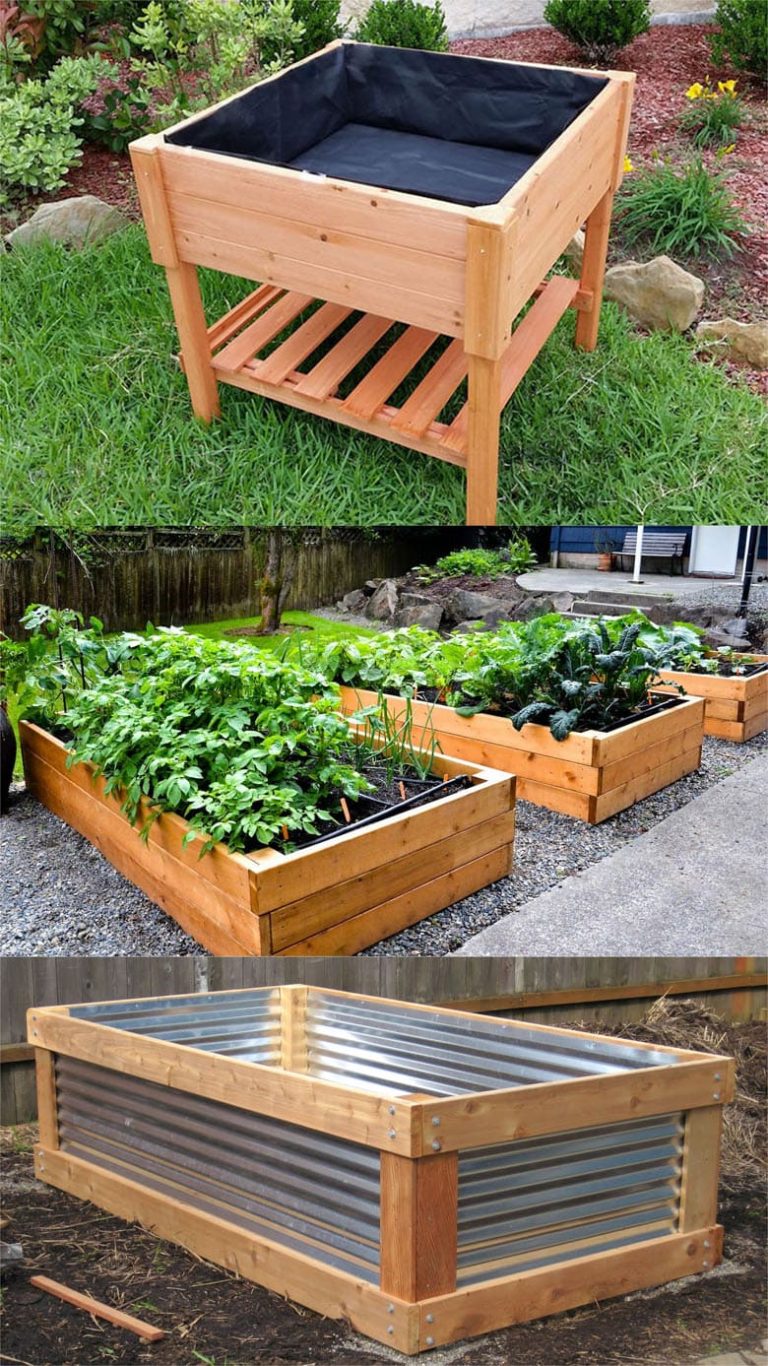
How To Move A Raised Garden Bed: Easy Guide
Moving a raised garden bed sounds simple until you try to lift one. Soil is heavy, roots hold everything together, and old wood may split under pressure. A small 2-by-4-foot bed can weigh hundreds of pounds when full. A larger bed may weigh more than a small car.
The safest way to move a raised garden bed is to remove the plants and most of the soil first, take apart the frame if possible, move each part separately, and rebuild the bed on level ground. This method protects the bed, your plants, and your back.
I have moved wooden, metal, and composite raised beds in sandy soil, clay soil, and wet spring ground. The method changes a little with the bed type and season. A bed full of dry soil is much easier to move than one soaked after heavy rain, but both need careful planning.
Quick answer: the safest way to move a raised bed
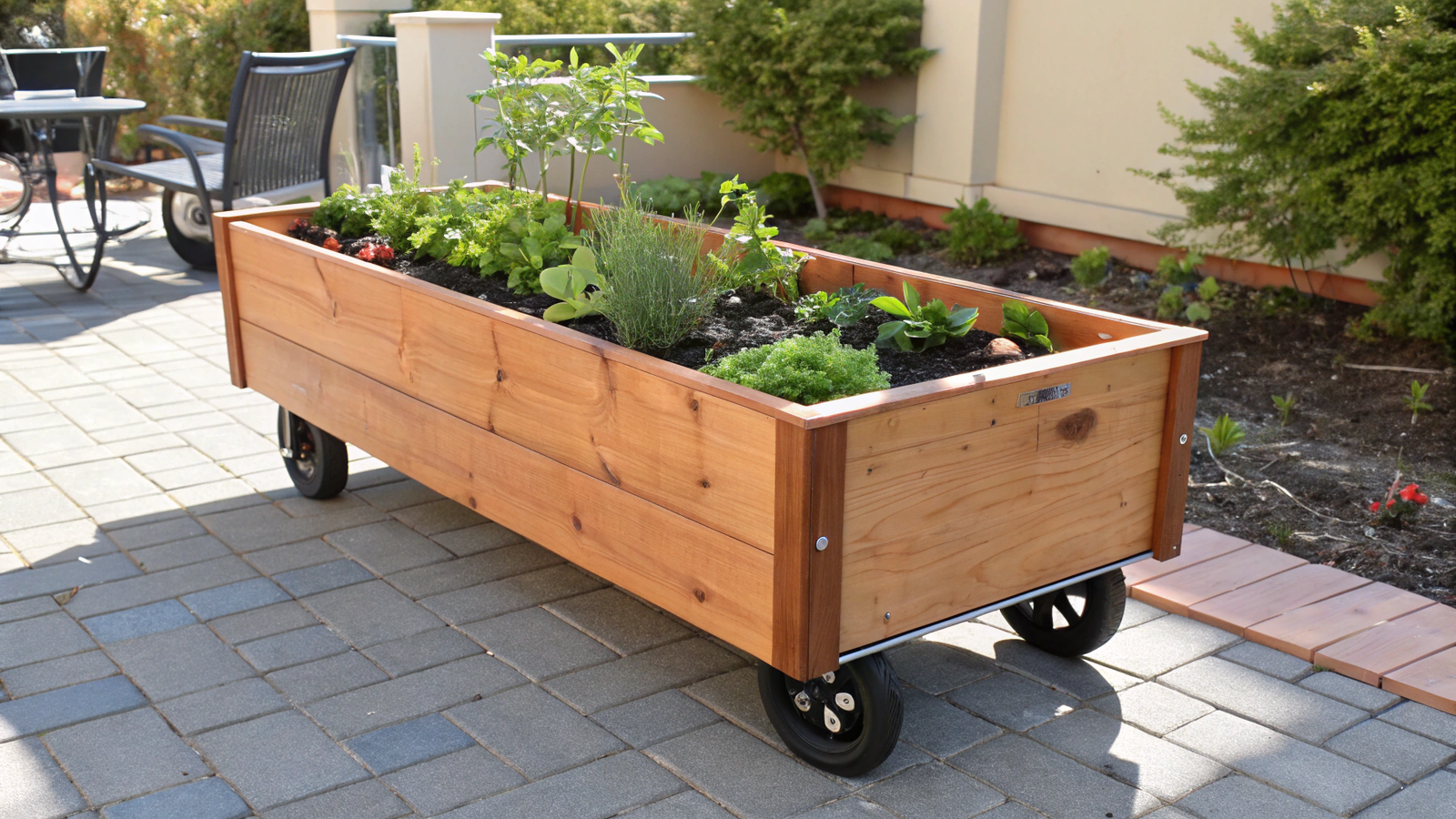
To move a raised garden bed, water plants lightly one day before the move, remove crops and trellises, scoop out the soil, label and dismantle the frame, then rebuild it on a level site. Move large root balls with a tarp or garden cart. Refill the bed with screened soil, compost, and mulch, then water deeply after replanting.

A small empty bed may take one person about two hours to move. A large bed with mature plants may take a full day and two or three people. Do not drag a full bed across the yard unless the frame is very small and strongly built.
Tools and materials you will need
The right tools make this job safer and faster. Most gardeners already have the basic items, but a few simple tools can prevent cracked boards and damaged roots.

| Tool or material | Main use | Helpful alternative |
|---|---|---|
| Garden shovel or scoop | Remove soil and compost | Plastic storage tub |
| Tarp | Hold soil or slide root balls | Old blanket |
| Garden cart or wheelbarrow | Move soil, plants, and boards | Flat utility wagon |
| Cordless drill and bits | Remove screws | Screwdriver and wrench |
| Labels and marker | Track boards and plants | Masking tape |
| Level and measuring tape | Set the new site | Straight board |
| Work gloves and boots | Protect hands and feet | Thick leather gloves |
| Compost and topsoil | Refill the bed | Aged homemade compost |
A garden cart works better than a narrow wheelbarrow for long, flat boards. I use a cart with large pneumatic tires when the ground is rough. Small hard wheels tend to sink into wet lawn or loose mulch.
You may also need replacement screws, corner brackets, landscape fabric, stakes, plant ties, and fresh mulch. Keep a bucket nearby for loose hardware. One missing screw can delay the entire rebuild.
Safety and preparation before the move
Preparation matters more than strength. Choose a cool day with dry soil, and avoid moving a raised bed during extreme heat, freezing weather, or heavy rain. Plants suffer less when roots stay cool and moist.

Check the new site before touching the old bed. Most vegetables need at least six to eight hours of direct sun. The area should also have good drainage, easy access to water, and enough room to walk around the bed.
Pick the right moving day
The best time to move a raised bed depends on your climate and the plants inside it. In USDA Zones 3 through 6, early spring or late fall often works well. In Zones 7 through 10, mild winter or early spring may offer the least stress.
Avoid moving plants during their peak harvest if you can. Lettuce, kale, chard, onions, and dormant herbs handle a move better than tomatoes covered with fruit or squash with long vines.

Prepare the new location
Mark the new bed outline with string or a garden hose. Check the slope with a level placed on a straight board. A slight slope may work, but a steep slope can cause soil to wash out and water to collect at one end.
Remove sod, large roots, and rocks from the footprint. You do not need to excavate deeply, but clear the top 2 to 4 inches of grass and weeds. If the bed will sit on lawn, lay cardboard under the frame to smother grass before adding soil.
Water plants with care
Water the bed lightly one day before the move. Moist soil holds root balls together, but saturated soil becomes heavy and shifts easily. Very dry soil can crumble away from roots.
Do not fertilize right before moving. A sudden dose of fertilizer can burn stressed roots. Wait until plants recover and show new growth.
💡 Pro Tip: Take photos of the bed from all four sides before you dismantle it. They help you remember plant spacing, board order, trellis placement, and irrigation lines.
Decide whether to move plants, soil, or both
The easiest raised bed to move is empty. If the bed contains plants, decide which ones are worth saving before you begin. Small annual crops often cost less to replace than they do to protect.

Move plants in containers
Place each plant in a pot, bucket, nursery tray, or cardboard box lined with a plastic bag. Label the container with the plant name and its original location. Keep the plant out of direct sun during the move.
For leafy crops, loosely cover the container with a damp towel. Do not seal plants in plastic on a warm day. Heat can build quickly and wilt them.
Move plants with root balls
Some plants should stay in soil around their roots. This includes rosemary, sage, rhubarb, asparagus, strawberries, perennial flowers, and larger herbs. Dig a wide circle around each plant and slide a shovel under the root ball.
Wrap the root ball in burlap, a damp towel, or a piece of an old sheet. Keep the covering moist but not dripping. Replant as soon as possible.
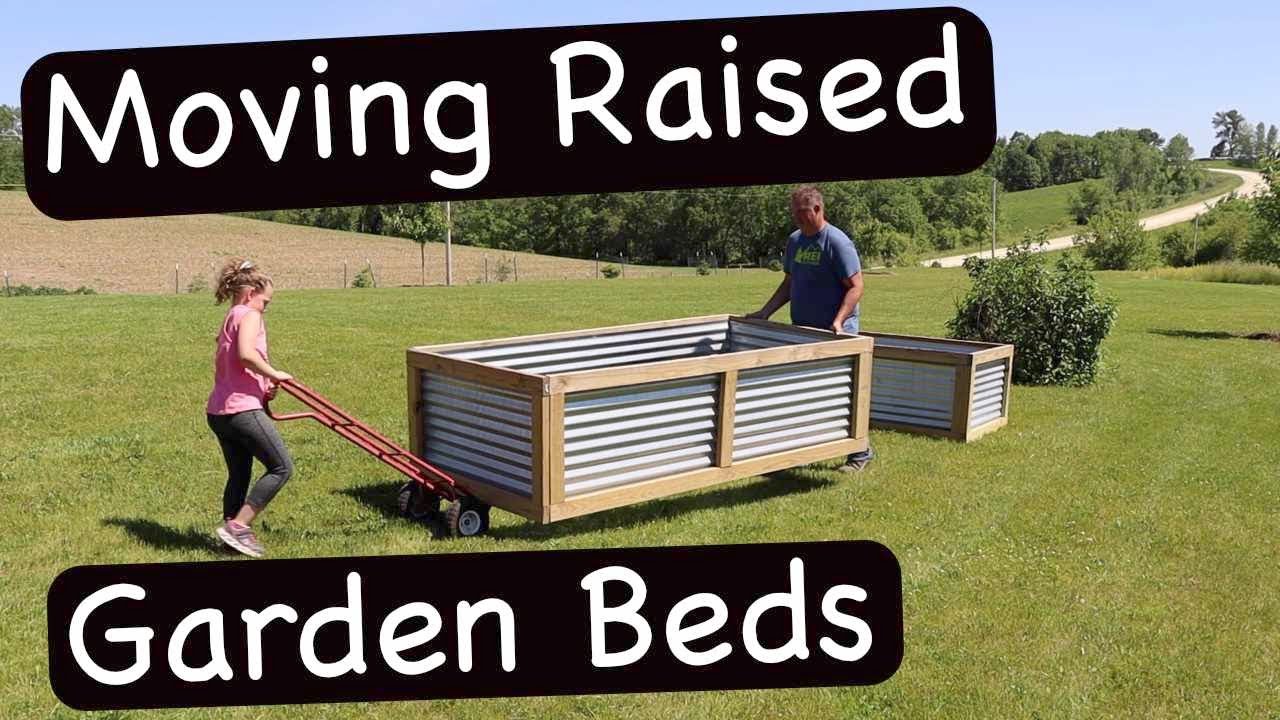
Leave some soil around established plants
Small annual vegetables can often handle bare-root handling for a short time. Larger plants cannot. Tomatoes, peppers, eggplants, cucumbers, and fruiting perennials recover better when their roots remain inside a firm soil mass.
A useful rule is to keep a root ball about two-thirds as wide as the plant’s canopy. This is not exact, but it gives you a safe starting point.
Decide what soil to keep
Raised bed soil contains organic matter, nutrients, and beneficial organisms. Keep it if it drains well and has no signs of disease. Do not move soil from a bed that had severe root-knot nematodes, clubroot, persistent herbicide damage, or a serious soil-borne disease.
If the soil contains couch grass, bindweed, or other aggressive roots, sift out the weeds before reuse. Do not place weed-filled soil in a new bed and expect mulch to solve the problem.
Follow these steps to move the raised garden bed
A careful sequence prevents most damage. Work from the top down, keep parts organized, and never rush the lifting stage.

1. Photograph and label the bed
Take several photos before removing anything. Mark each board with a simple code, such as A1, A2, B1, and B2. Place a matching mark on the board that connects to it.
Label irrigation tubing, trellis supports, row covers, and plant containers. This small step saves time during rebuilding.

2. Remove trellises, supports, and irrigation
Take down tomato cages, trellises, drip lines, hoops, and netting. Remove stakes from the soil before you start digging. A buried stake can damage a shovel or cause you to trip.
Coil drip tubing loosely. Do not kink it. If you use a timer, disconnect it from the faucet and store it in a dry place.
3. Harvest mature crops
Pick ripe tomatoes, peppers, beans, cucumbers, and squash before the move. Harvesting reduces plant weight and gives the roots less top growth to support.
Leave small leafy greens if the bed will move intact, but remove them if you plan to empty the soil. Cut herbs such as basil and cilantro back by one-third before placing them in containers.

4. Remove plants that will not move with the bed
Use a hand trowel for small plants. Dig beyond the visible stem base because many roots spread wider than expected. Lift from below, not by pulling the leaves.
Place each plant in shade at once. Keep roots damp while you work. A dry root system can suffer damage in less than an hour on a hot, windy day.
5. Scoop out the soil
Remove soil in layers. Put it on a tarp, into clean buckets, or into a garden cart. Do not fill a large bucket to the top; a 5-gallon bucket of moist soil can weigh about 60 to 80 pounds.
If the bed has a soil depth of 12 inches, you can remove the top half first and the bottom half second. Keep roots, stones, and weeds out as you go.

6. Protect the soil from rain and sun
Cover soil piles with a tarp, but leave a small opening for air if the pile will sit for more than a day. Heavy rain can leach nutrients and turn the pile into sticky clay. Strong sun can dry out living soil organisms.
Do not store soil directly against untreated wood. Constant moisture can speed rot, especially in pine or fir frames.
7. Inspect the frame
Look for rot, split corners, loose screws, bowed boards, rust, and insect damage. Pay close attention to the bottom 2 inches of wooden boards, where water often remains after rain.
A cedar or redwood frame may last 10 years or more in a dry climate, while untreated pine may fail in three to six years in wet conditions. Metal frames can last longer but may rust around cut edges and fasteners.

8. Dismantle the frame if possible
Remove screws or bolts one at a time. Use the correct drill bit so you do not strip the heads. If boards are stuck, tap the joint with a rubber mallet instead of forcing them apart.
Do not dismantle a frame that uses glued joints, welded corners, or fragile composite panels unless the maker designed it for disassembly. In that case, move the empty frame as one unit.
9. Move boards and hardware
Carry long boards with two people. Keep the boards flat to reduce bending. Store screws in a labeled bag or jar.
Move the frame before the soil if the new location is far away. This lets you confirm the fit and avoid carrying heavy soil to the wrong place.

10. Level and rebuild the base
Set the frame on the marked outline. Check the level from end to end and side to side. Add or remove soil beneath the low side until the frame sits firmly.
Do not use loose compost to level the frame. Compost settles as it breaks down. Use firm native soil, crushed gravel, or compacted sand under the low side.
11. Reattach the frame
Follow the original board order. Use exterior-rated screws made from coated steel or stainless steel. For a wooden bed, screws that are 2½ to 3 inches long often provide good grip, but match the length to the board thickness.
Pre-drill near board ends. This reduces splitting, especially in cedar, redwood, and dry pine. Add corner brackets if the old joints feel weak.

12. Return and improve the soil
Place the old soil back first. Mix in finished compost at about 20% to 30% of the total volume. Avoid filling the bed with pure compost because it can settle, dry quickly, or hold too much water.
If the soil feels dense, add coarse organic matter such as leaf mold or well-aged compost. Do not add sand to heavy clay in small amounts. That mix can become hard like concrete.
13. Replant at the correct depth
Plant vegetables at their original depth unless the crop has a special need. Tomatoes can be planted deeper along the stem because they form roots from buried nodes. Peppers, lettuce, herbs, and most flowers should stay near their original soil line.
Firm soil around each root ball with your hands. Do not pack it hard. Air spaces around roots can dry them, but compressed soil can block oxygen.

14. Water and shade the plants
Water slowly until the soil is moist through the root zone. For a 12-inch-deep bed, this may take 10 to 20 minutes with a gentle hose stream, depending on soil texture.
Give moved plants temporary shade for two to five days. Use shade cloth, an old sheet, or the shadow of a nearby structure. Remove the cover gradually as plants recover.
15. Add mulch and restore support
Apply 1 to 2 inches of straw, shredded leaves, or fine bark around plants. Keep mulch 2 inches away from stems. Reinstall cages and trellises only after the soil settles.
Wait about one week before tying plants tightly to supports. Stems may droop at first and can break if you secure them too soon.
Adjust the method for different bed materials
Raised beds do not all move in the same way. The frame material affects weight, flexibility, fastener choice, and expected lifespan.
Wooden raised beds
Wooden beds are usually easiest to repair and rebuild. Cedar and redwood resist decay, while treated lumber lasts longer but may concern gardeners who prefer untreated materials.
Old wood can appear sound on the outside and crumble inside. Push a screwdriver into the bottom edge. If it sinks easily, replace that board rather than moving it.
Metal raised beds
Metal beds are often light when empty. Galvanized steel panels may have sharp edges, so wear gloves and long sleeves. Move panels upright with two people to prevent bending.
Check for rust around bolt holes. A small rust spot may only need cleaning and a protective coating. Deep rust near a corner can cause the panel to fail during rebuilding.
Composite and plastic beds
Composite boards resist rot but can crack when cold or when screws are overtightened. Plastic panels may flex when soil presses against them. Empty these beds fully before moving.
Follow the manufacturer’s instructions if the bed uses locking corners. Do not pry interlocking parts with a metal shovel.
Stone, brick, and concrete beds
Permanent masonry beds should not be moved as one unit. Remove the soil, then take apart the stones or blocks. A concrete-edged bed may need professional help if it has a deep footing.
If the structure is tied to a patio, retaining wall, or drainage system, inspect it before making changes. Cutting into a foundation can cause water and structural problems.
| Bed type | Best moving method | Main risk |
|---|---|---|
| Cedar or pine | Empty and dismantle | Rot and split boards |
| Galvanized steel | Empty and carry panels | Sharp edges and bent corners |
| Composite | Empty and follow joint design | Cracked panels |
| Plastic | Empty completely | Flexing and broken clips |
| Stone or concrete | Disassemble in place | Heavy pieces and unstable walls |
The safest general rule is simple: empty lightweight frames, dismantle wooden frames, and disassemble masonry. The stronger the bed looks, the more carefully you should check its joints.
How much soil weighs and why this matters
Soil weight determines whether you can move a bed intact. A cubic foot of dry loose soil may weigh 70 to 90 pounds. Wet clay-based soil can weigh more than 100 pounds per cubic foot.
A 4-by-8-foot bed filled 12 inches deep holds about 32 cubic feet of soil. That can mean 2,200 to 3,200 pounds before you count the frame and plants. No home gardener should try to lift that bed as one piece.
Estimate the soil volume
Use this formula:
Length × width × soil depth = cubic feet
For example:
- A 4-by-4-foot bed at 1 foot deep holds 16 cubic feet.
- A 2-by-8-foot bed at 1 foot deep holds 16 cubic feet.
- A 4-by-8-foot bed at 1 foot deep holds 32 cubic feet.
To estimate soil bags, divide the total cubic feet by the bag volume. A 2-cubic-foot bag covers about 2 square feet at a 12-inch depth.
Use smaller loads
Fill buckets only halfway when the soil is wet. Move soil in repeated light trips instead of trying to save time with heavy loads. Your back will recover faster from ten small trips than from one strained lift.
A tarp can carry a large amount of soil when two people pull it. Use a thick tarp with reinforced handles if possible. Avoid dragging it over sharp gravel or broken glass.
⚠️ Warning: Never lift a full raised bed by its side boards. The boards may pull away from the corners, and the sudden shift can crush fingers or injure your back. Empty the bed first.
Where to place the bed after moving it
The new site should support healthy roots for years, not just fit the bed today. Think about sun, water, access, soil, wind, and future plant size.
Choose a spot with:
- Six to eight hours of sun for tomatoes, peppers, cucumbers, and beans.
- Four to six hours of sun for lettuce, spinach, and some herbs.
- Good drainage after heavy rain.
- A nearby water source.
- At least 18 to 24 inches of walking space.
- Protection from strong wind.
- No tree roots directly under the bed.
Avoid placing a bed beneath black walnut trees. Juglone from walnut roots and leaf litter can affect some plants. Keep large trees far enough away that roots will not fill the bed within a few seasons.
Do not place a raised bed where roof runoff floods the soil. Downspouts can wash out soil and spread contaminants from roofing materials.
Check soil pH after the move
Most vegetables grow well in soil with a pH of 6.0 to 7.0. Blueberries prefer a much more acidic range, around pH 4.5 to 5.5, so they need a separate growing plan.
A move is a good time to test the soil. Use a local extension lab when possible. Home test kits can show a rough pH, but lab reports also help with phosphorus, potassium, organic matter, and lime needs.
Improve drainage without creating a dry bed
Do not add a thick layer of gravel under a raised bed to “improve drainage.” This can create a perched water layer above the gravel in some soils. A level, firm base and a well-structured soil mix usually work better.
If the site has poor drainage, raise the bed higher, create a shallow swale, or use a separate drainage plan. Do not rely on landscape fabric to fix standing water.
Common problems after moving a raised garden bed
Most problems appear during the first two weeks. Plants may wilt, soil may settle, and old frames may shift. Quick observation helps you correct issues before roots suffer.
| Problem or symptom | Likely cause | Practical fix |
|---|---|---|
| Leaves wilt in the first day | Root damage or heat | Shade plants and water deeply |
| Bed corners spread apart | Weak joints or loose soil | Add brackets and retighten screws |
| Soil sinks several inches | Fresh compost or air gaps | Top up with settled soil mix |
| Water pools at one end | Frame is not level | Relevel the low side |
| Plants turn yellow | Poor roots or wet soil | Check drainage and reduce watering |
| Mulch blows away | Windy site or thin layer | Use heavier mulch or add a border |
| Roots dry after replanting | Root ball lost moisture | Soak slowly and add shade |
A wilted plant may recover within 24 to 72 hours if the roots remain alive. Yellow leaves that worsen after a week often point to overwatering, poor drainage, or severe root damage.
Soil settled too low
Soil settles after air pockets collapse and compost breaks down. Wait one week, then add more soil mix. Do not fill the bed to the rim. Leave 1 to 2 inches of space to reduce runoff.
The frame shifts or bows
A bed may shift if the base is uneven or if wet soil pushes against weak boards. Empty the section near the damaged corner, reset the frame, and add a brace.
For beds more than 12 inches high, use cross braces or internal supports. Long sides need extra support because soil pressure increases with height.
Plants keep wilting
Check the soil 2 inches below the surface. If it feels damp, do not add more water. Damaged roots need oxygen, and wet soil can lead to root rot caused by pathogens such as Pythium or Phytophthora.
If the soil is dry, water slowly around the root zone. A temporary shade cover often helps more than extra fertilizer.
Pests appear after the move
Stress can make plants more attractive to aphids, flea beetles, spider mites, and whiteflies. Inspect leaf undersides every morning for one week.
Use a strong water spray for aphids, handpick larger pests, and cover young crops with insect netting. Avoid broad-spectrum insecticides when bees and other pollinators are active.
🔧 Quick Fix: If a newly moved plant wilts at midday but looks better each morning, add afternoon shade for three days and check the soil before watering. This pattern often means transplant shock, not a lack of fertilizer.
Seasonal timing for moving a raised bed
Timing changes the level of stress. A dormant plant can handle root disturbance better than one in active growth, but the best season varies by region.
| Season | Good candidates | Main care |
|---|---|---|
| Early spring | Dormant herbs, leafy greens, empty beds | Protect from late frost |
| Late spring | Small annual crops | Shade after planting |
| Summer | Empty beds or container-grown plants | Avoid midday heat |
| Early fall | Perennials and cool-season crops | Keep roots moist |
| Late fall | Empty beds and dormant plants | Prevent waterlogged soil |
| Winter in mild zones | Dormant beds and hardy perennials | Avoid frozen soil |
In Zones 3 through 5, wait until the ground has thawed but before hot weather arrives. In Zones 8 through 10, summer moves can work only with strong shade and reliable water.
Moving a bed in spring
Spring is often the easiest season for vegetables. Lettuce, kale, onions, and peas can recover well when nights remain cool. Wait until the soil is workable, not sticky.
Protect tender crops such as basil, cucumber, and tomato from cold nights. A floating row cover can reduce wind and frost stress.
Moving a bed in summer
Summer is the hardest time to move a planted bed. If you must do it, work early in the morning, remove flowers and fruit, and provide shade.
Move the frame and soil first, then replant before afternoon. Keep the root zone moist for at least one week.
Moving a bed in fall
Fall works well for strawberries, mint, chives, sage, thyme, and dormant flowers. Cool air reduces water loss, and many plants are slowing down.
Do not move tender plants just before a hard freeze. Roots need time to settle before the ground freezes.
🌱 Beginner Note: If this is your first move, choose an empty bed in late fall or early spring. You will learn the process without risking a full crop.
What I learned from moving raised beds
The first large bed I moved was a 4-by-8-foot cedar frame filled with compost-heavy soil. I thought removing half the soil would make it light enough to slide. It did not. The frame twisted, one corner lifted, and I had to stop before the boards cracked.
I later removed nearly all the soil and marked every board. The rebuild took less time because the pieces fit back together without guesswork. The plants also recovered faster because I moved them in small containers rather than leaving them exposed on a tarp.
One unexpected issue came from wet compost. It looked loose, but it clung to the shovel and weighed far more than dry soil. The next time, I waited two days after rain and saved several hours of hard work.
I have also learned that soil texture matters after the move. A bed filled with sandy loam drains quickly and needs more frequent watering. A bed with clay soil holds water longer but can compact near the edges. In both cases, finished compost and mulch improved the balance over two growing seasons.
Time, cost, and labor
Moving a raised garden bed costs little if the frame is sound and you already have tools. Costs rise when you need replacement lumber, new soil, compost, hardware, or a trailer.
| Project size | Typical labor | Common cost range |
|---|---|---|
| Small 2-by-4-foot bed | 2–4 hours, 1 person | $20–$100 |
| Medium 4-by-4-foot bed | 4–6 hours, 1–2 people | $40–$180 |
| Large 4-by-8-foot bed | 6–10 hours, 2–3 people | $80–$350 |
| Masonry or heavy bed | 1–2 days, skilled help | $200 or more |
These ranges vary by region and material prices. Current pricing is often higher when you replace soil, buy cedar, or hire labor for hauling.
The cheapest approach is to reuse healthy soil and the existing frame. The most expensive mistake is rebuilding with damaged boards, then filling the bed before checking whether the corners are square and level.
Common mistakes to avoid
A few shortcuts create most moving problems. Avoid them even when the bed looks small.
- Do not move a full bed unless it is very small.
- Do not lift by the side boards.
- Do not work in extreme heat.
- Do not leave bare roots in direct sun.
- Do not use fresh manure in the refill mix.
- Do not add fertilizer to stressed plants.
- Do not place the bed on a steep slope.
- Do not forget to check buried irrigation lines.
- Do not mix diseased soil into a clean bed.
- Do not use indoor screws outdoors.
Fresh manure can burn roots and may contain weed seeds or pathogens. Use finished compost instead. A balanced slow-release fertilizer, such as a low-strength 4-4-4 organic blend, can wait until plants resume growth.
When hiring help makes sense
Hire help when the bed contains masonry, large trees, permanent plumbing, or heavy mature plants. Professional assistance also makes sense if you have a back, shoulder, or knee condition.
You may need an electrician or plumber if the bed includes buried lighting, irrigation valves, heating cables, or a greenhouse system. Call before digging if utility lines may cross the new site.
Two strong helpers can move many empty frames safely. They should not attempt to lift a soil-filled 4-by-8-foot bed. A compact tractor, pallet jack, or mini skid steer may be needed for commercial-size beds.
Long-term care after the move
A moved bed needs more attention for the first month. Check the frame after heavy rain, high wind, and deep watering. Look for spreading corners, loose screws, and soil washing over the edges.
Water deeply rather than sprinkling the surface. Most vegetables need about 1 to 1½ inches of water per week, though sandy soil, high heat, and windy sites may require more. Drip irrigation or a soaker hose delivers water with less leaf wetness.
Add compost once or twice each year. Top-dress with 1 inch of finished compost in spring, then cover bare soil with mulch. Avoid digging deeply around established crops because it can damage roots and disturb soil structure.
Inspect wooden frames each spring. Replace boards when they become soft, split, or unsafe. A small repair now can prevent a full collapse during a rainstorm.
Storage during an unfinished move
If you cannot finish in one day, keep plants shaded and roots damp. Store wood under cover but allow air to move around it. Do not stack wet boards tightly against a wall.
Cover soil with a breathable tarp or leave a gap at the edges. Rebuild within two to three days when possible, especially during hot weather.
FAQs about moving raised garden beds
Q: Can I move a raised garden bed without emptying it?
A: Only if it is very small, nearly empty, and built from strong material. Even a 2-by-4-foot bed can weigh several hundred pounds with soil. Emptying the bed protects the frame and reduces injury risk.
Q: Can I move a raised bed with plants still inside?
A: You can move small plants in their soil, but remove large crops before moving the frame. Keep root balls wrapped in damp material and replant them quickly. Leafy greens and dormant perennials usually recover faster than fruiting plants.
Q: How do I move a raised garden bed across grass?
A: Empty the bed, place the soil on a tarp, and carry or cart the frame separately. A wide garden cart with air-filled tires works well on grass. Avoid dragging a full frame because the bottom may catch and the corners may pull apart.
Q: Should I remove all the soil before moving the bed?
A: Remove all or nearly all soil when the bed is larger than 2 by 4 feet. Leave soil around individual root balls if you are saving plants. Dry soil is easier to move than wet soil, but it should not be dusty and bone dry around living roots.
Q: Can I reuse the soil after moving a raised bed?
A: Yes, if it drains well and did not contain a severe soil-borne disease or invasive weed roots. Mix in 20% to 30% finished compost and test the pH if crops performed poorly. Do not reuse soil that contains chemical residue from unknown herbicides.
Q: How long do plants need to recover after a move?
A: Small plants may recover in three to seven days. Larger plants can need two to four weeks. Shade, steady moisture, cool weather, and careful root handling shorten recovery time.
Q: Should I fertilize plants after moving them?
A: Wait until you see new growth, often one to two weeks. Then use a mild, balanced fertilizer according to the label. Avoid strong nitrogen feeds because they can stress damaged roots.
Q: How can I move a raised bed on a slope?
A: Do not simply place the bed on the slope and fill it. Cut a level terrace, build a firm base, or use a retaining structure designed for the load. A tilted bed can lose soil and place extra pressure on the downhill wall.
Q: Can I put a raised bed on concrete or a patio?
A: Yes, but drainage becomes important. Use a bed designed for hard surfaces, provide drainage holes or a suitable base, and avoid letting water stain or damage the patio. A shallow container bed may work better than a deep soil-filled frame.
Q: How often can I move a raised garden bed?
A: Try to move it only when needed. Repeated moves disturb soil structure, stress plants, and shorten the life of wooden frames. Plan the new site carefully so the bed can stay there for several growing seasons.
Q: What should I do if the wooden frame breaks during the move?
A: Stop lifting and support the bed from below. Replace rotten boards, add new corner brackets, and use exterior-rated screws. Do not rebuild with a cracked board and hope the soil will hold it together.
Q: Is it cheaper to move a raised bed or build a new one?
A: Moving is cheaper when the frame is sound and the new site is close. Building new may cost less when the old wood is rotten, the soil is contaminated, or the bed must travel a long distance. Compare the cost of labor, replacement boards, soil, and compost.
Q: What is the best soil mix after moving a raised bed?
A: Use quality topsoil or loam mixed with 20% to 30% finished compost. Add leaf mold or aged organic matter if the soil is dense. The mix should hold moisture while draining excess water and should not smell sour or remain soggy.
Final thoughts
The best way to move a raised garden bed is to treat it like a small construction project, not a heavy planter. Plan the new site, remove plants and soil, label the frame, inspect every joint, and rebuild on level ground.
Move during cool weather when possible. Keep roots damp, give transplanted plants temporary shade, and wait before fertilizing. With this approach, most beds can settle into their new location within a week, while the plants regain full strength over the next several weeks.
A careful move also gives you a chance to correct old problems. You can improve drainage, replace weak boards, test soil pH, add compost, and place the bed where watering and harvesting feel easy. Done well, the move does more than change the bed’s location—it gives the whole garden a stronger start.
Meta description: Learn how to move a raised garden bed safely. Follow practical steps for removing soil, protecting plants, dismantling frames, rebuilding, watering, and avoiding common mistakes.