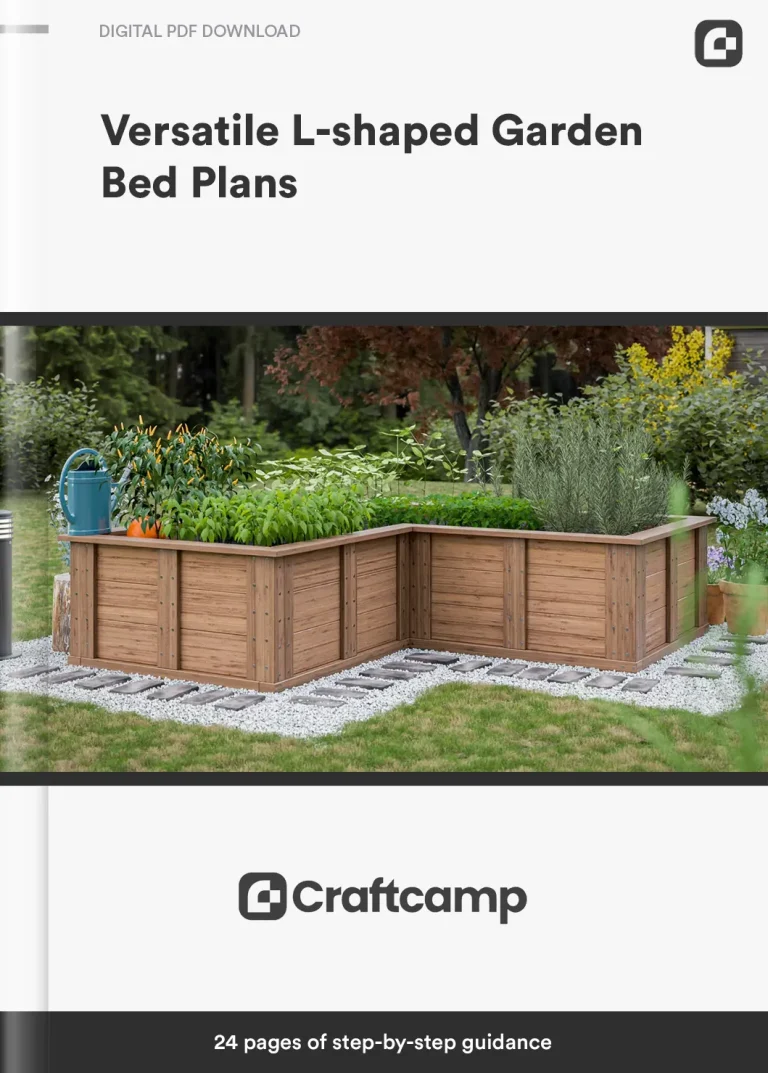
How To Care For Raised Garden Beds: Easy Care Tips
Raised garden beds make growing easier, but they still need care. The soil can dry faster than ground soil. Wood can rot. Roots can fill the bed. Weeds, pests, and plant diseases can build up if you ignore small problems.
The good news is that raised beds are simple to maintain. A short check each week can protect the soil, plants, frame, and harvest. With the right care, a well-built bed can produce food for many seasons in USDA zones 3 through 11.
I have grown lettuce, tomatoes, peppers, carrots, beans, herbs, strawberries, and flowers in raised beds. I have also repaired beds that leaned, settled, dried out, or filled with poor soil. This guide explains how to care for raised garden beds from spring setup through winter storage, with simple steps that work for new and experienced gardeners.

Quick Answer: How Do You Care for Raised Garden Beds?
Care for raised garden beds by checking moisture, removing weeds, adding compost, protecting the soil with mulch, feeding plants based on soil needs, and inspecting the frame each season. Water deeply when the top 1 to 2 inches of soil feels dry. Refresh the soil with compost, rotate crops, repair damage early, and avoid walking on the growing soil.

Why Raised Garden Bed Care Matters
Raised beds need regular care because their soil behaves differently from soil at ground level. It often drains better and warms sooner, but it can also lose water and nutrients faster. The sides may also face weather damage that does not affect an in-ground garden.
A raised bed is a small growing system. Soil, roots, water, air, microbes, and plant debris all affect one another. If one part fails, the whole bed can struggle.
For example, compacted soil leaves little room for roots and air. Poor drainage can cause root rot. Too much nitrogen may produce large tomato leaves but few tomatoes. A cracked board can let soil spill out and invite pests.
What needs care?
Focus on these six areas:
- Soil structure and fertility
- Moisture and drainage
- Weeds and mulch
- Plant spacing and crop rotation
- Pests and diseases
- The bed frame and hardware
Care also changes with climate. A cedar bed in cool, wet Oregon may last much longer than a pine bed in hot, humid Georgia. A raised bed in Arizona may need daily summer checks, while one in Minnesota may need little water during a rainy week.

How long do raised garden beds last?
The life of a raised bed depends on its material, drainage, soil contact, and climate. Untreated pine may last about 3 to 7 years. Cedar often lasts 8 to 15 years. Composite boards, stone, brick, and galvanized steel can last much longer.
Good drainage extends the life of wood. If water stays against the boards, rot begins at the lower edge and inside corners. In my beds, the first weak spots were not the long side boards. They were the corners and the bottom edges near wet soil.
Tools and Materials for Raised Bed Maintenance
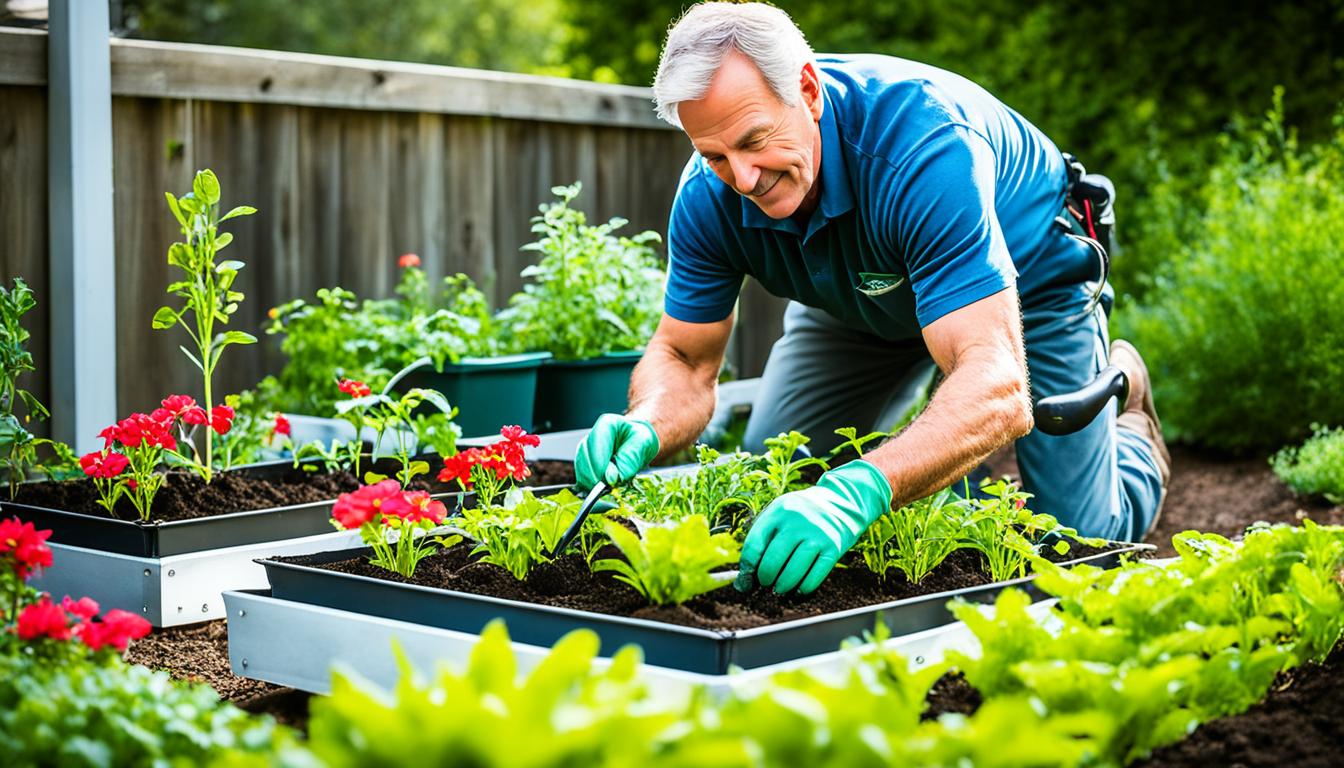
You do not need a large tool collection to care for raised beds. A hand trowel, garden fork, hose with a soft spray setting, pruners, gloves, and a bucket cover most jobs. A soil test kit or lab test adds useful information when plants perform poorly.
Choose tools that fit the bed. A large shovel can damage roots and place too much force on the frame. A narrow hori hori knife works well for weeds, planting holes, and shallow root work.
| Tool or material | Main use | What to look for |
|---|---|---|
| Hand trowel | Planting and small repairs | Strong metal blade and comfortable grip |
| Hori hori knife | Weeding and cutting roots | Serrated edge and depth marks |
| Garden fork | Loosening soil | Short tines that avoid deep root damage |
| Soaker hose | Slow, even watering | UV-resistant hose sized for the bed |
| Compost | Soil improvement | Mature, earthy-smelling compost |
| Shredded leaf mulch | Moisture and weed control | Clean leaves without weed seeds |
| Soil test | pH and nutrient checks | Local lab report with recommendations |
A hand tool with a narrow blade is safer around crops than a full-size spade. Keep tools clean, especially after cutting diseased plants.

Inspect the Bed Before Each Growing Season
Inspect the frame before planting. Look for loose screws, split boards, bulging sides, rust, leaning corners, and gaps where soil can escape. Check the base of wooden beds closely because rot often starts where soil stays damp.
Press lightly against each side. A small amount of movement may be normal, but a wall that bows several inches needs repair. Do not add more soil until you fix the frame.
Check the frame and liner
A liner can help separate soil from contaminated ground, but it should not block drainage. Plastic sheeting placed across the bottom can trap water. Use landscape fabric only when you need a barrier against persistent weeds or poor soil, and leave drainage paths open.
For wood beds, use exterior-grade screws. Galvanized or coated screws resist rust better than indoor screws. Avoid old railroad ties or treated lumber of unknown age because they may contain harmful chemicals.
For galvanized steel beds, inspect sharp edges and exposed fasteners. Add edge trim if needed. Steel heats quickly in full sun, so mulch and steady watering matter more in hot zones 8 through 11.
Repair small damage early
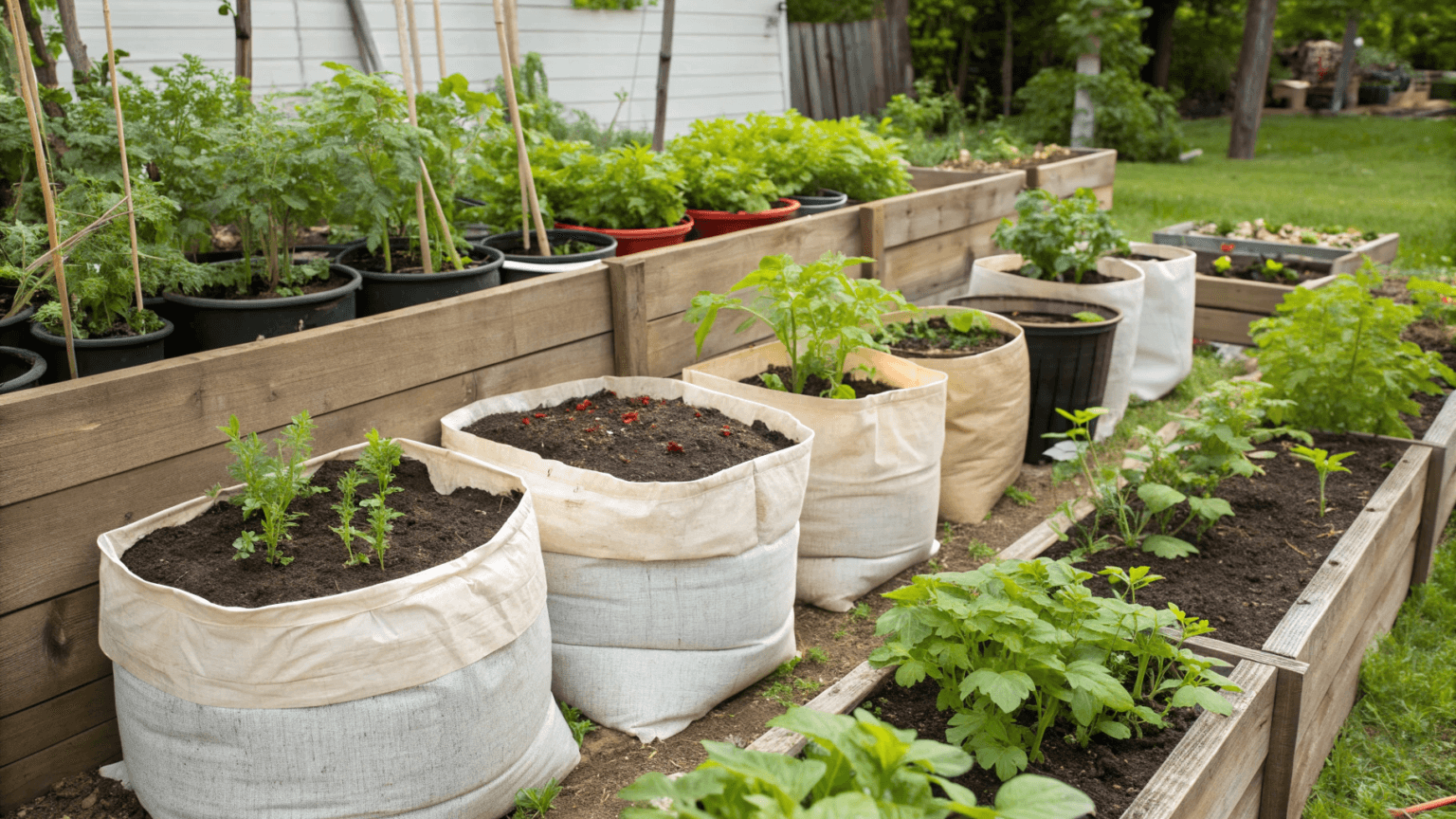
Small cracks are easy to repair. Replace a split corner post, tighten loose hardware, or add a brace before the bed spreads. If one board has soft wood, remove it and check the soil behind it for excess moisture.
Do not paint the inside of a vegetable bed with unknown coatings. If you want to protect exterior wood, use a product labeled for garden or food-growing structures and follow the label. Many gardeners leave cedar untreated and replace it when needed.
⚠️ Warning: Never climb into a raised bed to reach the center. Your weight compacts the soil and can bend the frame. Use a narrow board across the sides only if the bed is designed to support it.
Manage Soil Without Digging It to Death
Healthy raised bed soil should hold moisture, drain excess water, and contain air spaces for roots. It should feel loose and crumbly, not sticky, dusty, or hard. The goal is not perfect soil. The goal is soil that supports steady root growth.
A common raised bed mix contains about 60% quality topsoil, 30% compost, and 10% aeration material such as aged pine bark. The exact mix can vary. In dry climates, more organic matter can help hold water. In wet climates, too much fine compost can make the bed stay wet.
Test soil before adding fertilizer
A soil test tells you the pH, phosphorus, potassium, and sometimes organic matter level. Most vegetables grow well at a pH between 6.0 and 7.0. Blueberries need a more acidic range, often near pH 4.5 to 5.5, so do not place them in a bed amended for tomatoes and lettuce.
Test when plants show repeated problems, when you build a new bed, or every two to three years. Do not guess from leaf color alone. Yellow leaves can result from low nitrogen, poor drainage, root damage, cold soil, or overwatering.
Add compost on the soil surface
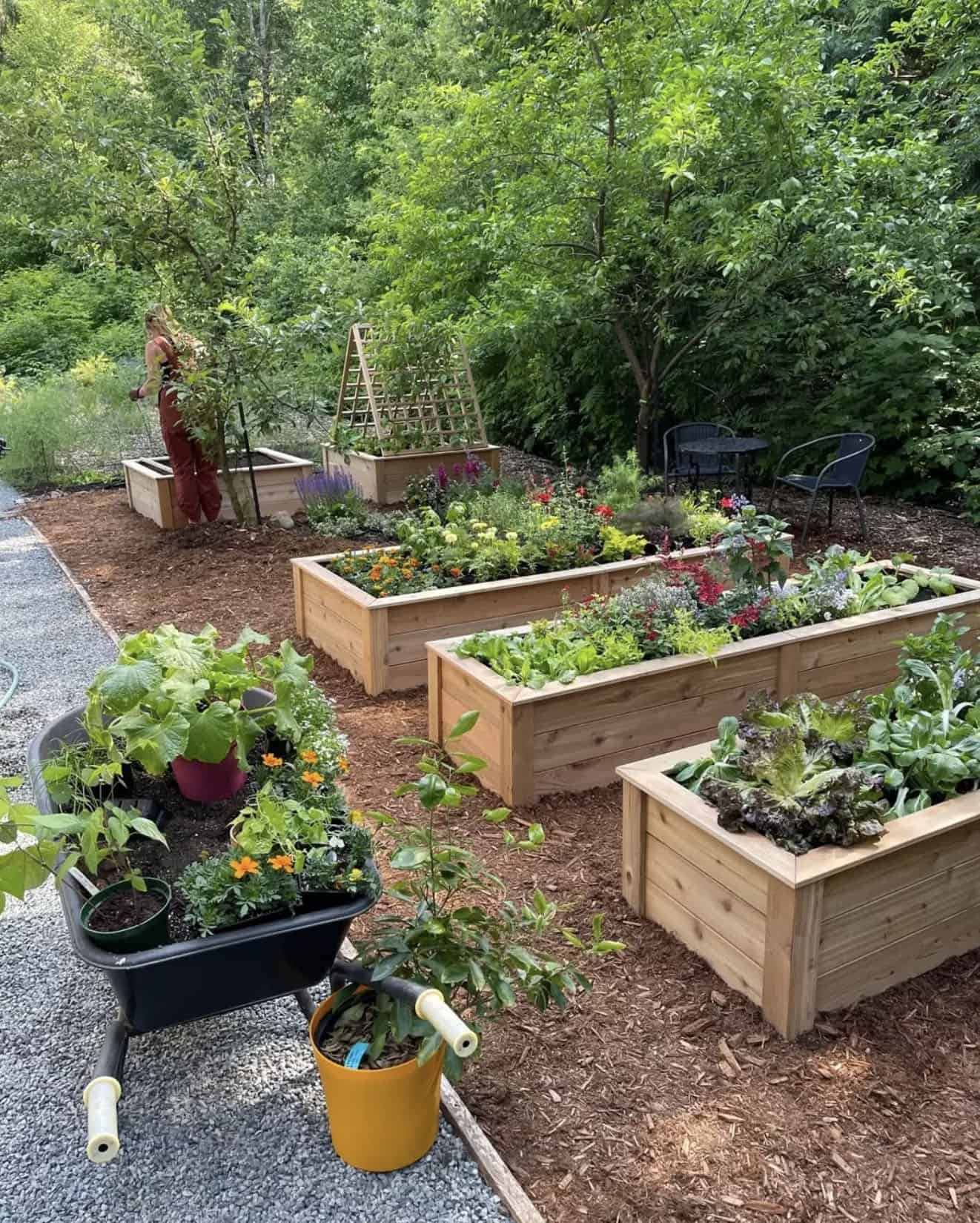
Each spring, spread 1 to 2 inches of mature compost over the bed. Gently rake it into the top few inches or leave it as a surface layer for worms and soil microbes. Avoid deep turning unless the soil has become badly compacted.
Deep digging breaks root channels and disturbs fungal networks. It can also bring weed seeds to the surface. I get better results by loosening only the planting row and adding compost from above.
Good compost smells like forest soil. It should not smell sour, rotten, or strongly of ammonia. If it contains many wood chips, let it mature longer before using it around young crops.
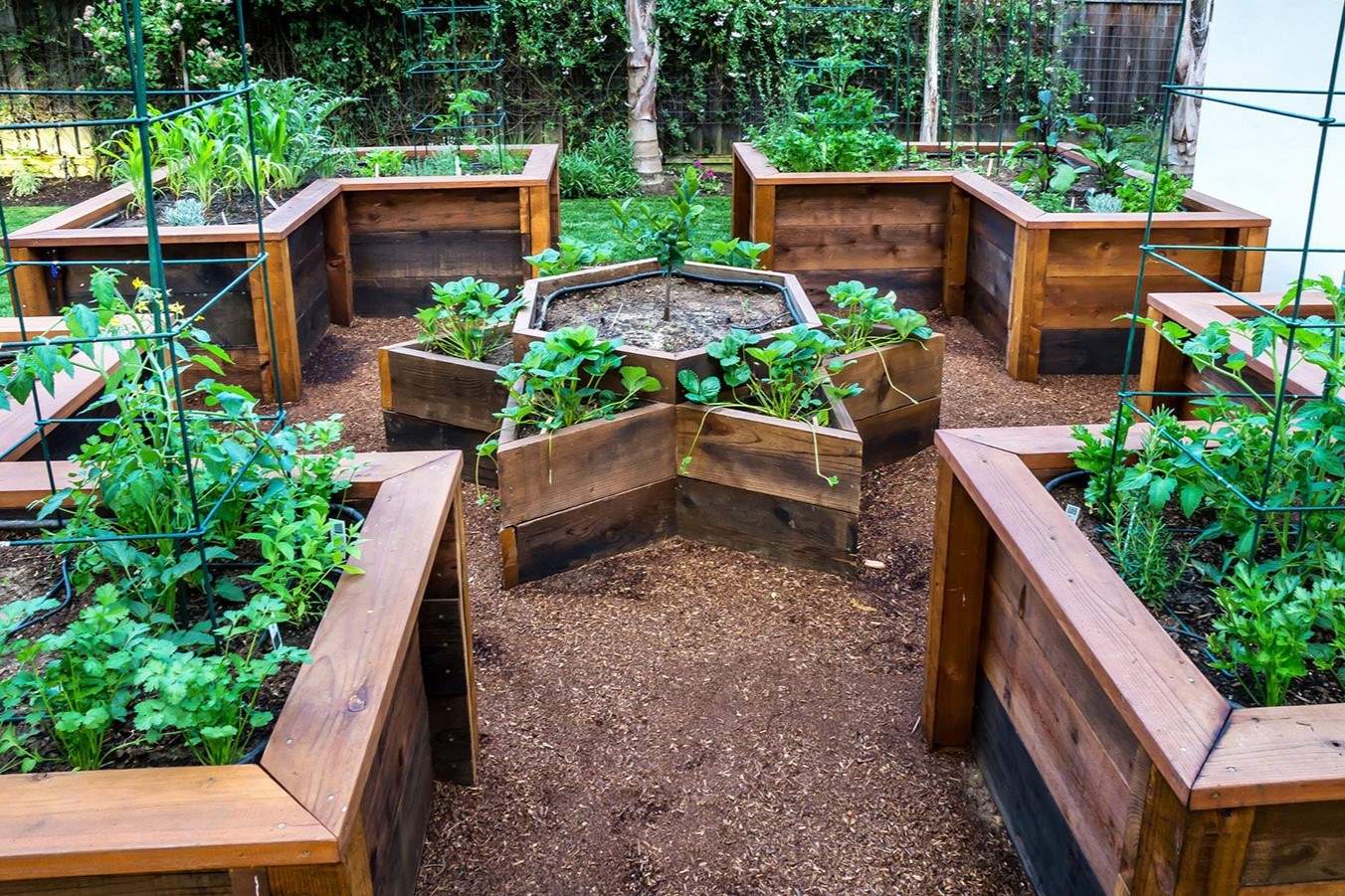
Avoid excessive soil settling
Soil settles after rain, watering, and decomposition of organic matter. A new bed may lose several inches during the first season. Add compost and soil in thin layers instead of filling the entire gap with rich compost.
Too much compost can cause high soluble salts or excess phosphorus. That can harm seedlings and pollute water. Use compost as an amendment, not as the only growing medium.
| Soil concern | Signs | Practical response |
|---|---|---|
| Compaction | Water pools, roots stay shallow, soil feels hard | Loosen with a fork and add compost |
| Low fertility | Slow growth and pale leaves | Test soil before feeding |
| Excess nitrogen | Dark leaves and weak fruiting | Stop high-nitrogen fertilizer |
| Poor drainage | Wilting despite wet soil, root rot | Check bed base and reduce watering |
| Low organic matter | Soil dries fast and falls apart | Add compost and organic mulch |
| High pH | Iron-related yellow new leaves | Use a soil test before changing pH |
The key lesson is simple: fix the cause, not just the symptom. Fertilizer will not solve a drainage problem.
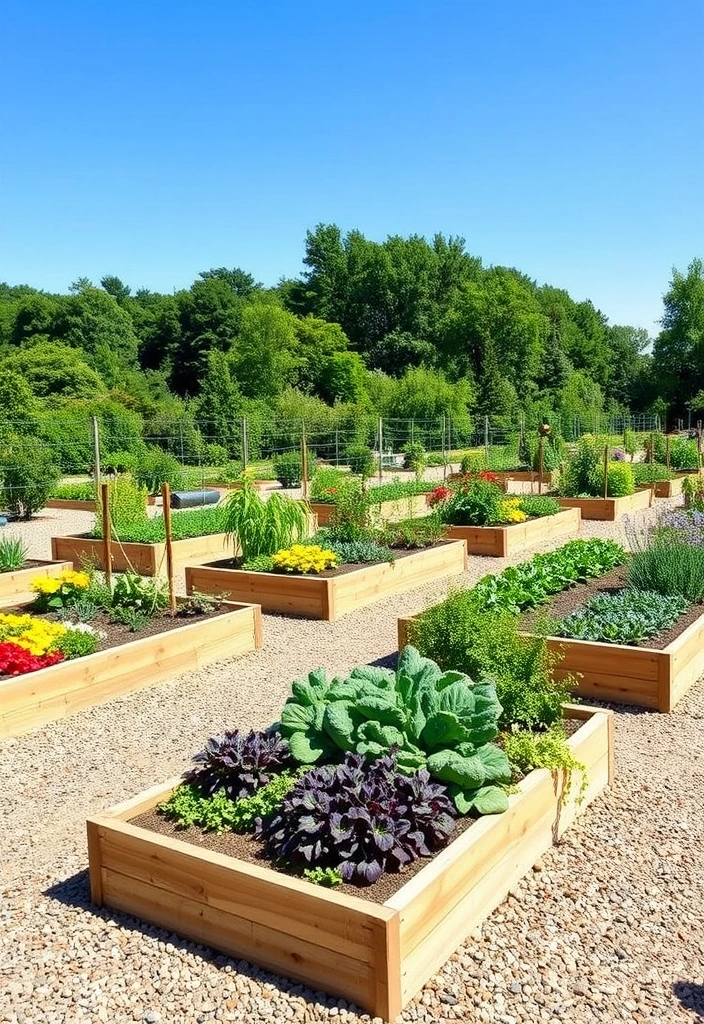
Water Raised Beds Deeply and Evenly
The best way to water a raised bed is to soak the root zone slowly, then wait until the surface begins to dry. Watering frequency depends on plant size, weather, soil, bed depth, and crop type.
Check moisture with your finger. Push it 1 to 2 inches into the soil near, but not against, the plant stem. If the soil feels dry at that depth, water. Seedlings and shallow-rooted crops need closer checks than established tomatoes or fruiting shrubs.
Watering needs by crop
Lettuce, spinach, radishes, and seedlings have shallow roots. They may need water every day or two during hot weather. Tomatoes, peppers, squash, and mature beans develop deeper roots and often prefer a deep soak two or three times per week.
A raised bed should not remain wet all day. Roots need oxygen as well as water. Morning watering gives leaves time to dry and reduces the risk of fungal disease.
| Crop group | Typical summer check | Watering approach |
|---|---|---|
| Seedlings and lettuce | Daily in hot, dry weather | Light but even moisture |
| Carrots and radishes | Every 1–2 days | Keep the upper soil layer steady |
| Tomatoes and peppers | 2–3 checks per week | Deep water at the root zone |
| Beans and cucumbers | 2–4 checks per week | Water during flowering and fruit set |
| Herbs such as rosemary | Less often | Let soil dry more between watering |
| Strawberries | Frequent during fruit growth | Keep roots moist, not soggy |
These are starting points, not fixed rules. A raised bed in USDA zone 5 after a cool rain may need no water for several days. A bed in zone 9 with sandy soil may need water each morning.

Use soaker hoses or drip irrigation
Soaker hoses and drip lines deliver water near the soil surface. They waste less water than a strong overhead spray and keep leaves dry. Lay the line before plants grow large, then cover it with a thin layer of mulch.
Run the system long enough to wet the root zone. A short burst may wet only the top half-inch. Place a small cup or tuna can under the line to compare water output from one end of the bed to the other.
Inspect irrigation lines every few weeks. Roots can shift them, rodents may chew them, and mineral deposits can block emitters. A timer helps, but do not let it replace a soil check.
🔧 Quick Fix: If one side of a bed stays dry, move the hose closer to the center and add a second loop. Flush the line before replacing it.
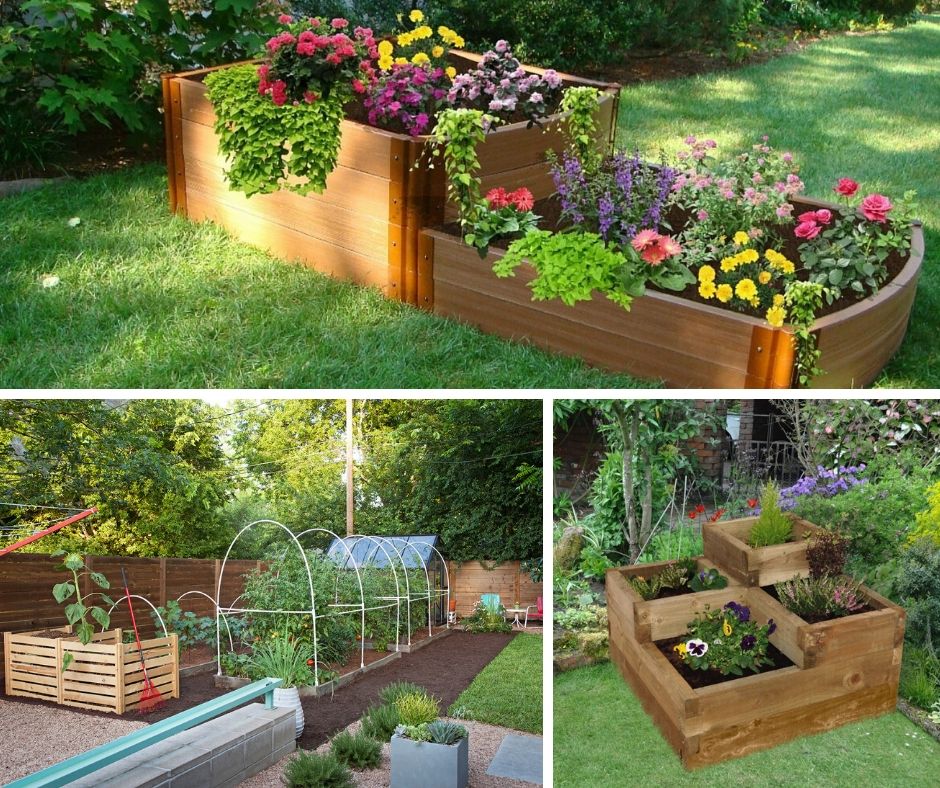
Mulch, Weed, and Protect the Soil Surface
Mulch protects soil from sun, wind, and heavy rain. It slows evaporation and reduces weed growth. A 1- to 3-inch layer works well for most raised beds.
Use shredded leaves, weed-free straw, pine bark, or finished compost. Avoid thick grass clippings unless they have dried first. Fresh clippings can form a wet mat and may heat up as they break down.
Keep mulch 2 to 3 inches away from plant stems. Mulch touching stems creates a damp shelter for slugs, snails, and disease.
Remove weeds while they are small
Pull weeds after watering or rain, when the soil is soft. A young weed often comes out with one quick motion. An old weed may leave roots behind and disturb nearby crops.
Do not let weeds mature and drop seeds. One flowering purslane plant can create many future weeds. In my beds, five minutes of weekly weeding works better than one long session after a month of neglect.
Identify weeds before using any herbicide. In a food garden, hand weeding and mulch are usually safer options. Never spray a product near edible crops unless the label specifically allows that use.

Protect soil in empty beds
An empty bed should not sit bare for months. Bare soil erodes, loses carbon, and grows weeds. Cover it with compost and mulch, plant a cover crop, or use a breathable tarp held above the soil.
Good cover crops include oats, crimson clover, field peas, and buckwheat, depending on season and climate. Cut them before they set seed. Chop the plants and let them dry before incorporating them lightly or leaving them as mulch.
For a winter bed in zone 6, a layer of leaves can protect soil from freezing and thawing. In wet climates, do not pile leaves so deeply that the bed stays soaked.
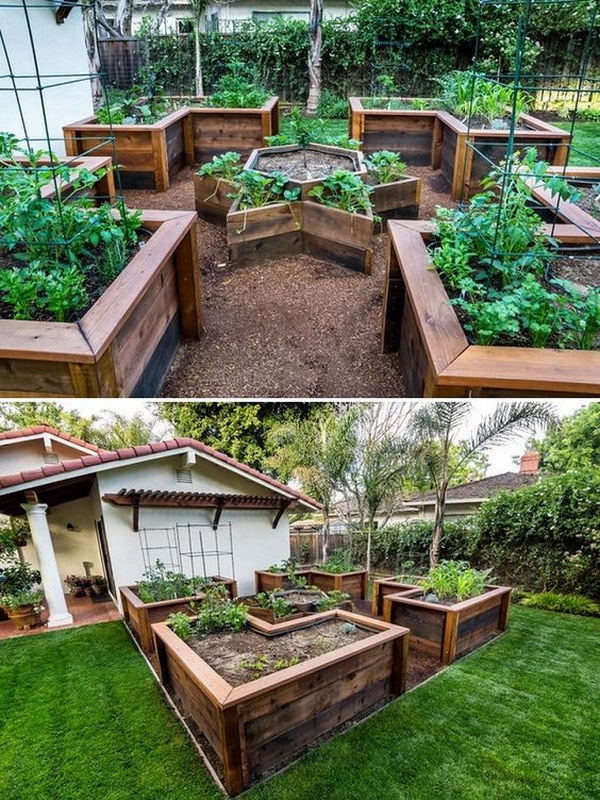
Feed Plants Based on Need
Fertilizer supplies nutrients that plants use for growth. The three main numbers on a fertilizer label show nitrogen, phosphorus, and potassium, or N-P-K. Nitrogen supports leaves, phosphorus supports roots and flowers, and potassium helps with water balance and overall plant strength.
More fertilizer does not mean more food. Excess nutrients can burn roots, create weak growth, and move into streams. Use a soil test and follow the product label.
Match fertilizer to the crop
Leafy greens such as kale and lettuce often respond to a modest nitrogen feed. Tomatoes and peppers need steady nutrition but can suffer from too much nitrogen. Root crops such as carrots prefer loose soil and moderate fertility, not a heavy dose of fresh manure.
A balanced organic fertilizer such as 4-4-4 may suit a mixed bed, but the correct rate depends on the product. Fish emulsion can help during active growth, yet it may attract animals if spilled. Compost tea should not replace a soil test or a complete fertility plan.
Do not add fresh manure to a bed with growing vegetables. It may burn roots and carry pathogens. Use well-aged composted manure and follow local food safety guidance.
Watch for nutrient clues
Nutrient symptoms often appear slowly. Older leaves turning pale may point to low nitrogen, while young leaves with green veins and yellow tissue may suggest an iron issue. Purple stems can result from cold weather, genetics, or phosphorus stress.
Test before making major changes. I once added lime to a bed because tomatoes looked weak. The soil was already alkaline, and the real issue was poor drainage after a wet spring. The test prevented a costly mistake.
🌱 Beginner Note: Start with compost, good watering, and correct sunlight before buying several fertilizers. Many raised bed problems come from roots staying too wet or plants growing in too much shade.
Plan Crops, Spacing, and Rotation
Good spacing improves air movement and reduces disease. It also helps you water the root zone without wetting dense foliage. Follow the seed packet or plant tag, then adjust for your climate and variety.
Indeterminate tomatoes such as ‘Sungold’ or ‘Cherokee Purple’ need strong stakes or cages and more room than determinate types. Bush beans need less support than pole beans. Compact cucumbers can grow in a trellis-trained bed, which saves surface space.
Rotate plant families
Crop rotation means moving related crops to different areas each season. It reduces the buildup of pests and diseases in the soil. Rotate by plant family rather than by common name.
| Plant family | Common crops | Good rotation partners |
|---|---|---|
| Solanaceae | Tomato, pepper, eggplant, potato | Beans, lettuce, carrots |
| Brassicaceae | Kale, broccoli, cabbage, radish | Tomatoes, beans, squash |
| Fabaceae | Beans, peas | Leafy greens, carrots, herbs |
| Cucurbitaceae | Cucumber, squash, melon | Lettuce, onions, beans |
| Apiaceae | Carrot, parsley, celery | Beans, peppers, brassicas |
A three- or four-year rotation works best for crops prone to soil diseases, but small beds may not allow perfect rotation. Even moving tomatoes from one end to another and replacing some soil can help.

Use companion planting with realistic goals
Companion planting can improve space use, attract pollinators, or provide shade. Basil near tomatoes can make efficient use of space, but it will not cure tomato disease. Marigolds may attract beneficial insects, but they do not create a pest-proof barrier.
Good raised bed partners include carrots with lettuce, cucumbers with dill, tomatoes with basil, and beans with nasturtiums. Avoid crowding plants simply because they are called companions.
Control Pests and Diseases Early
The first step in pest control is regular inspection. Look under leaves, along stems, and around the soil surface once or twice each week. Early action usually needs less effort than a large outbreak.
Common raised bed pests include aphids, flea beetles, cabbage worms, cucumber beetles, squash bugs, slugs, snails, cutworms, and spider mites. Beneficial insects such as lady beetles, lacewings, hoverflies, ground beetles, and parasitic wasps also live in healthy beds.
Identify the real problem
| Symptom | Likely causes | First response |
|---|---|---|
| Small holes in leaves | Flea beetles or caterpillars | Check leaf undersides and use row cover |
| Sticky leaves | Aphids or scale insects | Spray with water and inspect ants |
| Wilting with wet soil | Root damage or disease | Improve drainage and check roots |
| White powder on leaves | Powdery mildew | Improve air flow and remove badly affected leaves |
| Chewed seedlings at soil level | Cutworms or slugs | Clear debris and protect stems |
| Distorted new growth | Aphids, mites, or herbicide drift | Inspect closely before treating |
Do not spray first and identify later. Broad insecticides can kill pollinators and natural predators. Pick caterpillars by hand, use insect netting, and spray water on aphids when practical.
Manage fungal and bacterial disease
Give plants room to dry after rain. Water at soil level in the morning. Remove yellow or spotted leaves and discard diseased plant material rather than placing it in a small home compost pile.
Clean pruners with household disinfectant or rubbing alcohol between diseased plants. Do not work among wet plants because brushing against them spreads spores.
Tomato diseases can be hard to stop once established. Choose resistant varieties such as those marked with V, F, N, or T resistance codes when available. Rotate tomatoes and avoid saving seed from a sick plant.
Clean Up Plants at the Right Time
Remove finished crops when they stop producing or show serious disease. Leaving dead plants in the bed can shelter pests and fungal spores. Healthy roots and stems can go into a hot, active compost pile if they have not carried a serious disease.
Do not remove every plant at the first sign of cold. Kale, parsley, carrots, and some herbs can keep producing after light frost. In zones 7 through 11, you may grow cool-season crops through much of winter. In zones 3 through 6, use row cover or a cold frame to extend the season.
Prune and support plants
Tie tomatoes to stakes with soft cloth or stretchy garden tape. Check ties every week because stems thicken quickly. Remove suckers only if your chosen tomato method calls for it; excessive pruning can expose fruit to sunscald.
Train cucumbers and beans onto a firm trellis before vines become heavy. Support prevents plants from sprawling across paths and improves airflow. Do not attach a large trellis to a weak bed wall without checking the frame.
Follow a Simple Seasonal Care Plan
Raised garden bed maintenance changes through the year. Spring focuses on soil and repairs, summer on water and pests, fall on cleanup, and winter on protection.
| Season | Main tasks | Timing |
|---|---|---|
| Early spring | Inspect frame, test soil, add compost | Before planting |
| Late spring | Mulch, set irrigation, add supports | After seedlings establish |
| Summer | Check water, harvest, scout pests | At least weekly |
| Fall | Remove diseased plants, plant cover crops | After main harvest |
| Winter | Protect soil, inspect damage, plan rotation | During dormant weeks |
The best time to repair a bed is before it holds a full crop. Plants make access harder, and moving soil around roots can cause stress.
Spring care
Remove winter mulch from cool-season seedlings when the soil warms. Keep some mulch between rows to block weeds. Check for slugs under boards, leaves, and dense mulch.
Do not plant warm-season crops into cold soil. Tomatoes, peppers, cucumbers, and basil grow poorly when nights stay cold. In many zone 5 gardens, waiting an extra week produces stronger plants than rushing them into cold soil.
Summer care
Check beds early in the day. Look for dry soil, wilted leaves, chewed leaves, and broken supports. Harvest often to keep beans, cucumbers, zucchini, and peppers producing.
Mulch may settle or blow away. Keep the layer near 2 inches, but avoid burying stems. During heat waves, use shade cloth over lettuce and spinach to slow bolting.
Fall and winter care
Remove spent plants and roots. Chop healthy material and add it to compost. Add compost to the bed surface, then cover it with leaves or straw.
Drain hoses before freezing weather. Store timers, sprayers, and small tools in a dry place. In cold zones, do not leave water inside a soaker hose because ice can split it.
Fix Common Raised Bed Problems
Most raised bed problems have clear clues. Look at the soil, roots, leaves, and frame together instead of treating one symptom in isolation.
| Problem | Why it happens | Reliable fix |
|---|---|---|
| Soil dries too fast | Small bed, hot sun, sandy mix | Add compost, mulch, and drip irrigation |
| Soil stays wet | Poor drainage or too much water | Check base, reduce watering, raise bed if needed |
| Plants lean toward one side | Uneven sunlight | Move bed or place tall crops north |
| Bed sides bow | Weak boards or excess soil pressure | Add braces or replace boards |
| Weeds return quickly | Bare soil and mature weeds | Mulch and remove weeds before seed |
| Tomatoes have few fruits | Shade, heat, excess nitrogen, poor pollination | Improve sun, reduce nitrogen, attract pollinators |
Most vegetables need at least six hours of direct sun. Fruiting crops such as tomatoes, peppers, cucumbers, and squash often perform better with eight hours. Leafy greens can tolerate some afternoon shade, especially in hot climates.
When soil is too wet
First, stop watering and inspect the bed after rain. Dig beside a plant, not through its main stem, and look at the roots. Healthy roots are usually firm and light colored; brown, soft roots point to rot or poor drainage.
A raised bed should have an open or well-drained base. If it sits on concrete, use a deeper bed with drainage holes or a designed container system. Do not seal the bottom with plastic.
When plants wilt
Wilting can mean dry soil, damaged roots, heat stress, or disease. Check the soil before watering. If the soil is wet and the plant still wilts, watering more will likely make the problem worse.
Wilted plants may recover after a deep morning watering if roots remain healthy. Give heat-stressed crops temporary shade during the hottest hours. Remove plants with severe vascular disease so the problem does not spread.
Use Raised Beds Safely
Raised beds reduce bending, but they do not remove all garden risks. Wear gloves when handling rough wood, wire, compost, or thorny plants. Use eye protection when cutting boards or driving stakes.
Keep children and pets away from fresh manure, slug bait, and sharp metal edges. Store fertilizers in a locked, dry place. Follow pesticide labels exactly, including harvest intervals.
Do not burn old treated lumber. Do not use unknown soil from construction sites or industrial areas. If you suspect lead or other contamination, use a laboratory soil test and grow in clean containers until you know more.
My Raised Bed Maintenance Routine
In my own beds, I use a short routine rather than waiting for a major weekend project. On Sunday morning, I check soil moisture, inspect the undersides of leaves, harvest ripe crops, and look at the frame. This takes about 15 minutes for three 4-by-8-foot beds.
Every two weeks, I check trellis ties, flush irrigation lines, pull weeds, and refresh mulch. Once each month, I inspect screws, corner posts, and soil levels. This routine caught a cracked corner before it failed during a heavy rain.
One method that did not work well for me was using a thick layer of fresh grass clippings. The clippings became slimy, smelled sour, and attracted slugs. I now dry them first and apply thin layers, or use shredded leaves instead.
Over two growing seasons, the biggest improvement came from moving watering from overhead sprinkling to soaker hoses. Tomato leaves stayed drier, the soil remained more even, and I spent less time correcting wilt.
Pros and Cons of Raised Garden Beds
Raised beds suit many gardeners, but they are not ideal for every site or budget. They offer control and access, yet they also cost more and can dry out faster than ground soil.
| Pros | Cons |
|---|---|
| Better control over soil quality | Initial cost for lumber and soil |
| Easier access for many gardeners | Soil may dry out quickly |
| Warms earlier in spring | Frames can rot or rust |
| Good drainage when built correctly | Limited root depth for large plants |
| Fewer weeds from surrounding soil | Soil may settle each season |
| Works in poor or compacted ground | Requires regular watering and upkeep |
Raised beds are often worth the money for gardeners with clay soil, poor drainage, limited space, or mobility needs. In-ground beds may cost less when your native soil is fertile and easy to work.
Raised Beds Versus Containers and In-Ground Gardens
The main difference between raised beds and containers is size. A raised bed holds more soil, buffers temperature changes, and supports deeper roots. Containers work well for patios and renters but need more frequent watering.
In-ground gardens cost less to build and give roots more room. They can also be harder to weed, drain, or amend. A hybrid setup often works well: raised beds for vegetables, in-ground rows for corn or pumpkins, and containers for herbs.
Choose a raised bed when you need better access or soil control. Choose containers when space is very limited. Choose in-ground planting when you have healthy soil and enough room to rotate crops.
When to Replace a Raised Bed
Replace a raised bed when the frame no longer holds soil safely, repairs cost more than a new frame, or the material has widespread rot. A single damaged board does not mean the whole bed must go.
Move the soil into a tarp or wheelbarrow, repair the frame, and return the soil with fresh compost. This is also a good time to remove roots, inspect for pests, and correct drainage.
Current material costs vary by region. A small untreated pine bed may cost less than $100 in materials, while cedar, steel, stone, or composite beds can cost several hundred dollars. Labor, soil delivery, and irrigation add to the total.
Signs the bed needs major repair
Watch for:
- Side walls leaning outward
- Soil spilling through long cracks
- Soft wood that crumbles under pressure
- Rust holes in metal panels
- Standing water after normal rain
- Hardware that will not hold
Do not ignore a leaning bed near a walkway. A sudden wall failure can spill heavy soil and damage plants, irrigation, or nearby structures.
Frequently Asked Questions
Q: How often should I add compost to a raised bed?
A: Add about 1 to 2 inches of mature compost once each year, usually in spring or fall. Use less if your soil test shows high phosphorus or if the bed already has rich, dark soil.
Q: Should I replace all the soil in my raised bed every year?
A: No. Replace soil only when it is contaminated, severely diseased, compacted, or badly depleted. Most beds need surface compost, not a complete soil replacement.
Q: Can I leave raised beds empty in winter?
A: You can, but cover the soil with leaves, straw, compost, or a suitable cover crop. Bare soil loses moisture and structure and gives weeds a clear place to grow.
Q: How deep should soil be in a raised bed?
A: Six to 8 inches can support lettuce and herbs. Twelve inches suits most vegetables. Root crops, tomatoes, and larger plants often perform better with 18 to 24 inches of usable soil.
Q: Why is my raised bed soil sinking?
A: Soil sinks as compost, peat, roots, and other organic materials break down. Add topsoil mixed with compost in thin layers. Avoid filling the whole bed with compost because it will settle quickly.
Q: Can I use landscape fabric under a raised garden bed?
A: Yes, when you need a barrier against persistent weeds or contaminated ground, but do not use it to seal in water. Leave drainage open and avoid fabric if deep-rooted plants need access to native soil.
Q: What is the best mulch for raised beds?
A: Shredded leaves, clean straw, pine bark, and mature compost all work. The best choice depends on local supply, crop type, and pest pressure. Keep mulch away from plant stems.
Q: How do I stop slugs in a raised bed?
A: Remove hiding places, reduce wet debris, water in the morning, and inspect at dusk. Hand-pick slugs, use barriers when suitable, and avoid broad treatments that may harm helpful wildlife.
Q: Should I line a wooden raised bed with plastic?
A: Do not line the bottom with solid plastic because it can trap water. If you want to protect the sides, use a breathable barrier designed for garden beds and keep drainage paths open.
Q: How often should I water raised beds in summer?
A: Check soil moisture every day during hot weather. Many established crops need a deep soak two or three times each week, while seedlings and shallow-rooted greens may need water more often.
Q: Can I grow fruit trees in raised beds?
A: Small fruit plants such as strawberries, dwarf blueberries, and compact raspberries may work. Large trees usually need deeper, wider soil and stronger support than a typical raised bed provides.
Q: Is raised bed gardening worth it?
A: It is often worth it when you need better soil, easier access, improved drainage, or a cleaner layout. It may not be worth the cost when your native soil already grows healthy crops and you have plenty of space.
Final Thoughts
Raised garden bed care is mostly about small, steady actions. Check moisture before watering. Add compost instead of digging deeply. Mulch bare soil, give plants enough room, watch for pests, and repair the frame before damage spreads.
Start with one weekly inspection. Walk around the bed, touch the soil, look under the leaves, and check the corners. After a few weeks, you will see problems earlier and spend less time fixing them.
A raised bed does not need to be perfect to be productive. Good soil, steady water, healthy spacing, and timely repairs will keep it growing well for many seasons.
Meta description: Learn how to care for raised garden beds with practical tips for soil, watering, mulch, fertilizer, pests, seasonal maintenance, repairs, and long-term bed health.