How To Design A Raised Bed Garden: Easy Step-By-Step Guide
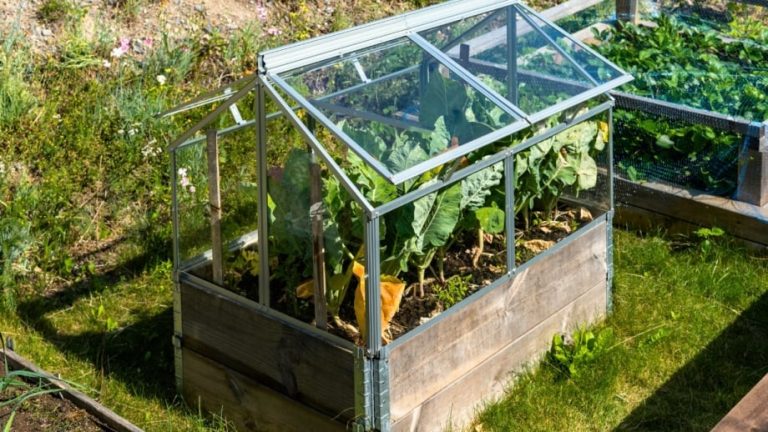
A raised bed garden gives you control over soil, drainage, spacing, and access. Instead of fighting hard clay, poor soil, tree roots, or weeds, you build a small growing area that fits your needs. You can grow lettuce, tomatoes, carrots, peppers, herbs, strawberries, and flowers in a space as small as 4 by 4 feet.
The best raised bed garden is not always the biggest or most costly one. It is the bed that matches your sunlight, climate, budget, water supply, and ability to care for it. I have built beds in heavy clay in the Midwest, dry soil in Colorado, and wet spring conditions in the Pacific Northwest. Each site needed a different plan.
This guide explains how to design a raised bed garden from the ground up. You will learn how to choose a site, set the right size, select safe materials, build healthy soil, plan crops, manage water, and avoid common design mistakes.
Quick answer: How do you design a raised bed garden?
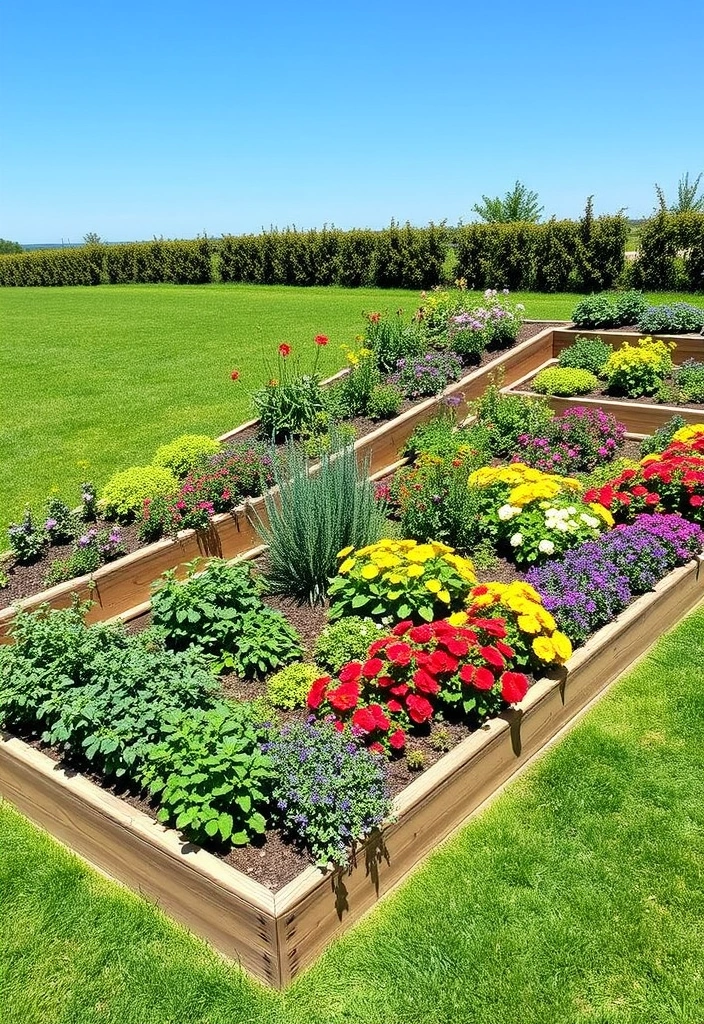
To design a raised bed garden, choose a level site with at least 6–8 hours of sunlight, keep the bed no wider than 4 feet, use untreated rot-resistant materials, and fill it with a blend of topsoil, compost, and organic matter. Leave 2–3 feet between beds, install easy irrigation, and plan crops by height, season, and spacing.

Start with the site, sunlight, and access
The best place for a raised bed garden is level, sunny, and close to a water source. Before buying lumber, watch the site for a full day. Note where shadows fall in the morning, at noon, and in late afternoon.
Most vegetables need at least 6 hours of direct sun. Fruiting crops such as tomatoes, peppers, cucumbers, squash, and eggplants often perform better with 8–10 hours. Leaf crops such as lettuce, spinach, kale, and arugula can handle light afternoon shade, especially in USDA Zones 7–10.
Avoid low spots where rain sits. Raised beds improve drainage, but they cannot fix a site that stays underwater. Also avoid areas under black walnut trees. Their roots and fallen leaves can release juglone, a natural chemical that harms some plants.
Check the ground before you build
Walk across the area after heavy rain. If your shoes sink or water remains for more than 24 hours, improve drainage before building. A slight slope is manageable, but a steep slope may need terracing.
Test the soil beneath the bed if you plan to grow directly over native ground. A basic soil test can show pH, phosphorus, potassium, and organic matter. Most vegetables grow well at a soil pH of 6.0–7.0.
Plan for daily use
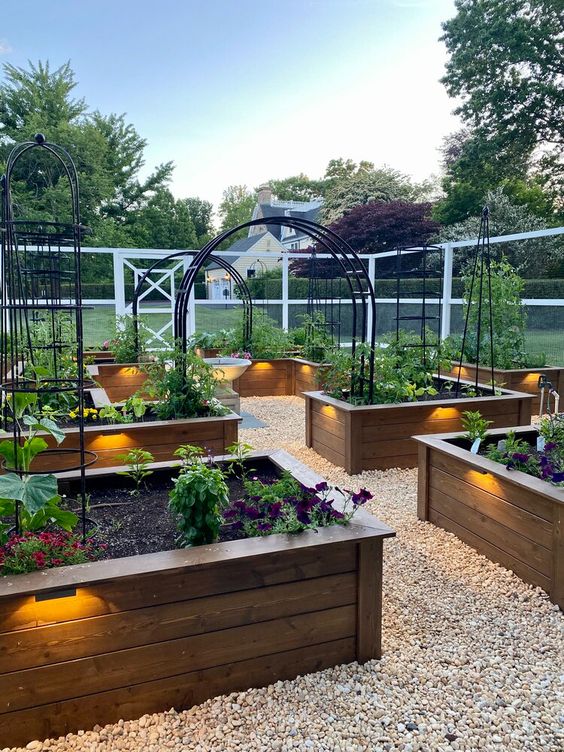
Place the garden where you will see it often. A bed beside the kitchen usually gets more care than one hidden behind a shed. Keep a hose, rain barrel, or irrigation line nearby.
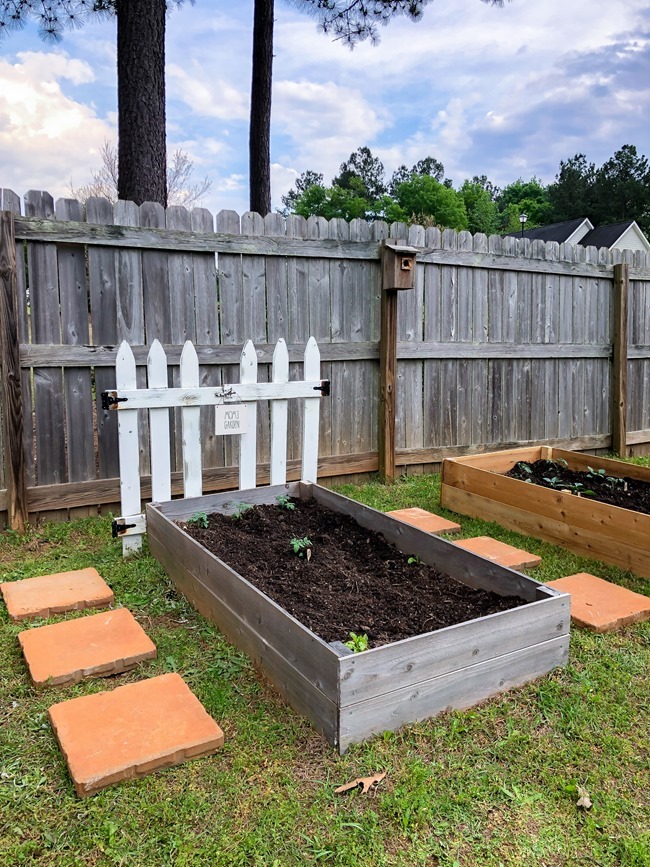
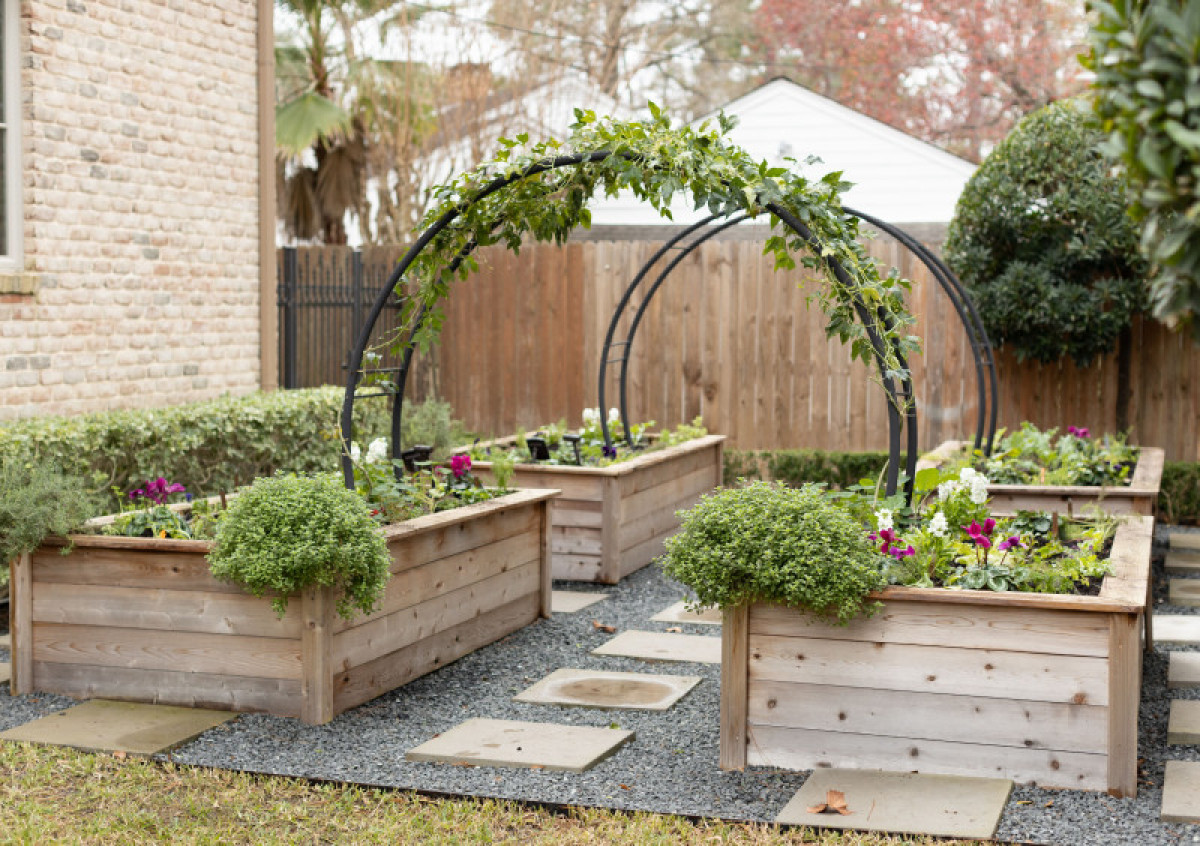
Leave enough room to move a wheelbarrow. Paths made from wood chips, straw, gravel, or pavers keep feet out of the soil. Avoid stepping inside the bed because foot traffic compresses soil and harms roots.
| Site factor | Target for most vegetable beds | Why it matters |
|---|---|---|
| Direct sun | 6–8 hours daily | Supports strong growth and fruit |
| Bed-to-bed path | 24–36 inches | Allows walking and wheelbarrow access |
| Distance from water | Within 50 feet if possible | Makes regular watering easier |
| Ground slope | Level to gently sloped | Prevents soil and water movement |
A sunny site near water saves time all season. If you must choose between a perfect view and easy access, choose access. A garden that takes five minutes to reach may get neglected during hot or busy weeks.
Choose the right raised bed size and shape
A raised bed should let you reach the center without stepping into it. For most adults, the ideal width is 3–4 feet. A bed against a wall or fence should be no wider than 2 feet because you can reach it from only one side.
Length depends on your space. A 4-by-8-foot bed is common because standard 8-foot boards fit it with little waste. However, two 4-by-4-foot beds may work better than one 4-by-8-foot bed if you want easier crop rotation or more walking space.
Use a practical bed width
A 4-foot-wide bed gives you access from both sides. Most people can reach about 2 feet into a bed without leaning on the soil. If children or people with limited mobility will garden, use a 2–3-foot width.
Keep the bed length below 12 feet when possible. Long beds can bow, shift, or become hard to cover with bird netting. Shorter beds also make it easier to separate crops by water needs.
Select a useful bed height
A 6–8-inch bed can improve drainage and soil quality, but it may not be deep enough for carrots or parsnips if placed over compacted ground. A 12-inch bed works well for most vegetables. Beds 18–24 inches high offer easier access but cost more and need stronger construction.
Deep beds do not always produce deeper roots. Many crops grow in the top 6–12 inches of soil. Tomatoes, asparagus, artichokes, and some fruiting plants need more root room than lettuce or radishes.
| Bed height | Suitable crops and users | Main limitation |
|---|---|---|
| 6–8 inches | Lettuce, herbs, onions, shallow-rooted greens | Poor choice over hard clay |
| 10–12 inches | Most vegetables and flowers | Needs more soil to fill |
| 18–24 inches | Accessible gardening, deep roots, patio use | Higher cost and greater wall pressure |
Consider shapes beyond rectangles
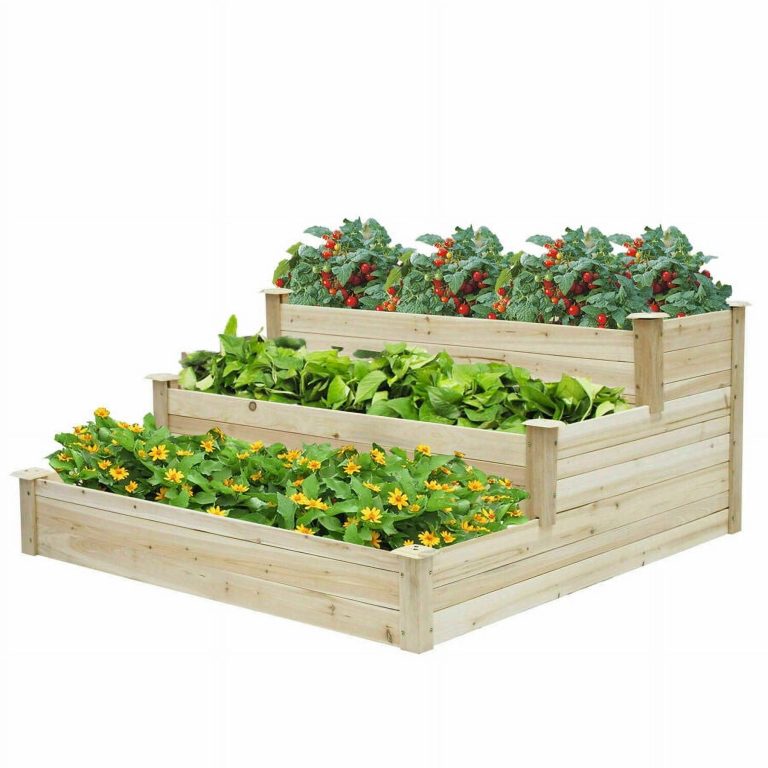
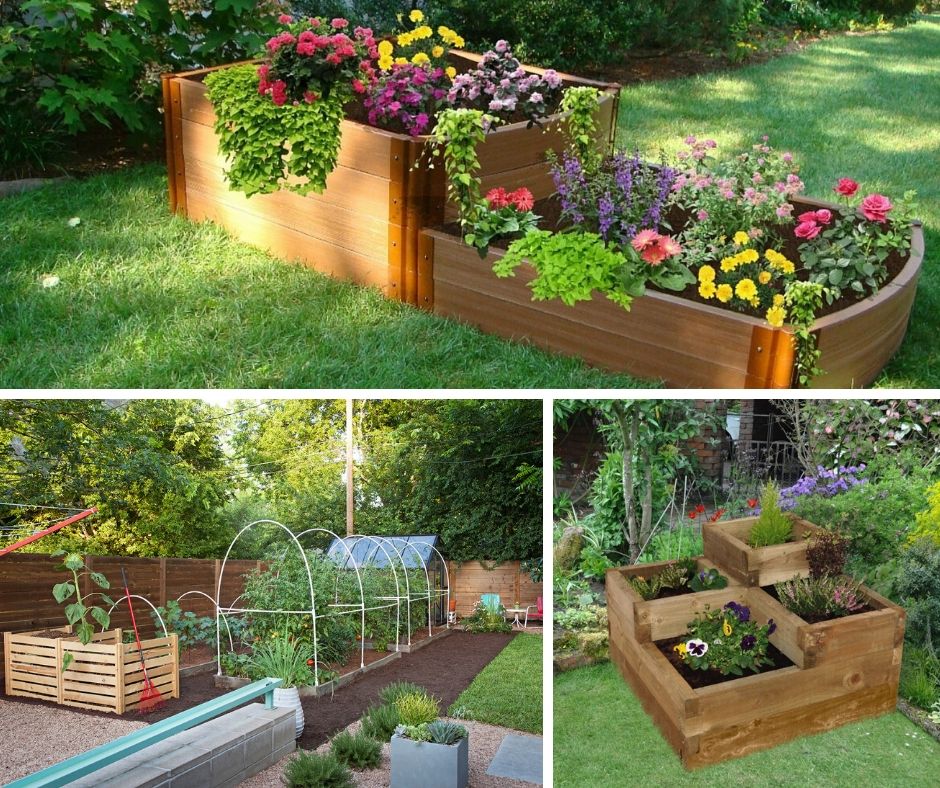
Rectangular beds use space well, but other shapes may fit your yard. L-shaped beds work around patios. U-shaped beds give access to many planting areas from inside the shape. Keyhole beds allow a small central path and can suit compact gardens.
Avoid narrow points and sharp inside corners. They waste soil and make irrigation harder. Curved beds look attractive but take more work to build and cover.
💡 Pro Tip: Mark the bed outline with a garden hose before you build. Walk around it, kneel beside it, and pretend to harvest from the center. This simple test often reveals a poor shape before you spend money.

Pick safe materials that match your budget
The safest raised bed material is untreated, naturally rot-resistant wood such as cedar, redwood, or black locust. These woods cost more than pine but may last 8–15 years, depending on moisture and soil contact.
Untreated pine is less expensive and easy to cut. In wet climates, it may last only 3–7 years. You can extend its life by keeping the bed well drained and using thicker boards, but it will still decay sooner than cedar.
Avoid old railroad ties, painted boards, and unknown reclaimed lumber. Older wood may contain creosote, lead paint, or other chemicals. Do not use pressure-treated wood unless the product is clearly labeled for modern residential garden use and you are comfortable with the manufacturer’s treatment information.
Compare common bed materials
Each material has a different balance of cost, life, weight, and heat. Your climate matters. Metal may stay cool in a mild coastal garden but become very hot in a sunny Zone 9 yard.
| Material | Expected life and cost | Best use |
|---|---|---|
| Cedar | 8–15 years; medium to high cost | Long-lasting home gardens |
| Untreated pine | 3–7 years; low cost | First beds and low budgets |
| Galvanized steel | 15–30 years; medium to high cost | Modern beds and wet climates |
| Stone or brick | 30+ years; high labor cost | Permanent landscape beds |
| Composite boards | 10–25 years; high cost | Low-maintenance designs |
Use hardware that will not fail early
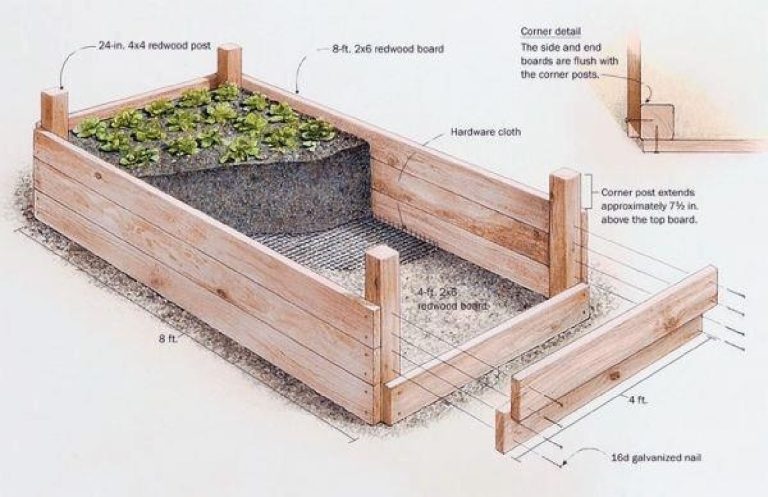
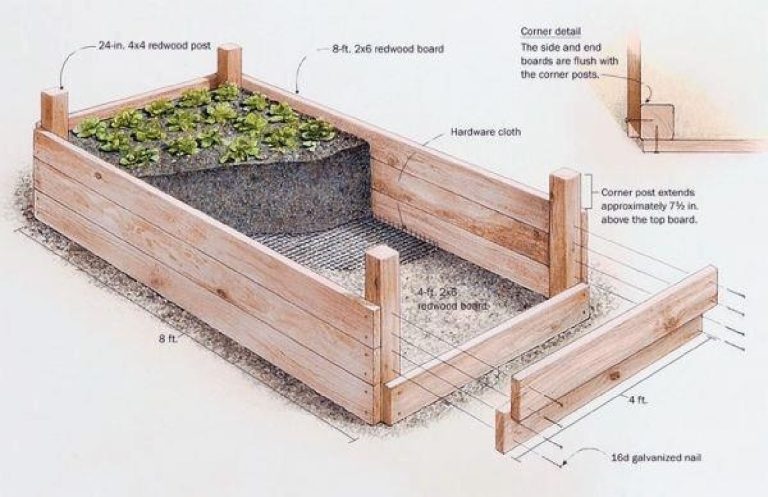
Use exterior-rated screws, such as coated or stainless-steel screws. Regular indoor screws rust and may snap after repeated wet and dry cycles. For a 4-by-8-foot wood bed, 3-inch structural screws hold better than short deck screws.
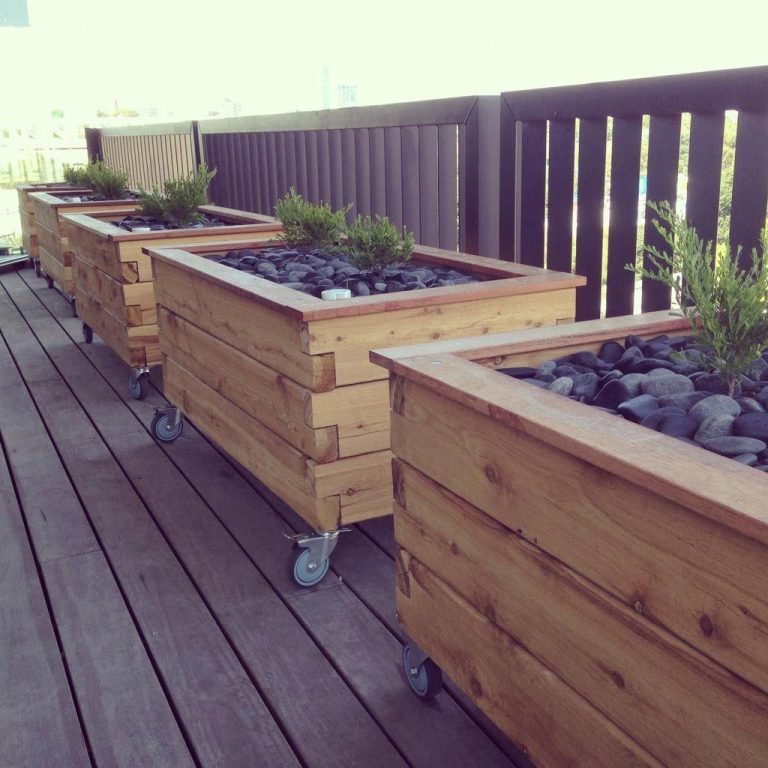
Add corner posts or metal brackets to tall beds. Soil is heavy. A 4-by-8-foot bed filled 12 inches deep can hold roughly 32 cubic feet of mix, which weighs hundreds of pounds when wet.
Do not line the bed with plastic if you need drainage. Plastic can trap water against wood and create a wet root zone. A breathable landscape fabric can help separate soil from aggressive grass, but it is not needed over healthy, loose ground.
Build the bed and prepare the base
Building a raised bed starts with a clean, level base. Remove grass and perennial weeds before placing the frame. Annual weeds can sometimes be smothered, but bindweed, quackgrass, bermudagrass, and other runners may grow through or around the bed.
For a bed over lawn, cut the grass short, turn the sod upside down, and cover the area with overlapping cardboard. Wet the cardboard first, then add soil. Use plain brown cardboard without glossy ink, tape, or heavy dye.
Gather the right tools and materials
The basic build needs fewer tools than many people expect. A cordless drill with a driver bit speeds the work, while a level prevents a crooked frame. I use a digging fork rather than a tiller to loosen the soil beneath low beds because it disturbs fewer worms and creates less compaction.
| Item | Suggested amount for a 4-by-8-foot bed | Purpose |
|---|---|---|
| 2-by-10 or 2-by-12 boards | Four 8-foot boards | Main frame |
| Exterior screws | 16–24 | Secure corners |
| Corner stakes or posts | Four | Strengthen tall beds |
| Level and tape measure | One each | Check layout |
| Compost and soil mix | About 32 cubic feet for 12 inches | Fill the bed |
| Soaker hose or drip line | 16–25 feet | Deliver water |
The quantities change with bed height and shape. Buy a little extra soil because most mixes settle after the first season.
Assemble the frame
- Mark the bed corners with stakes.
- Measure the diagonals to confirm the frame is square.
- Set the boards in place on the prepared ground.
- Join the corners with exterior screws.
- Check the top edge with a level.
- Add stakes or posts inside the corners for beds over 12 inches high.
- Remove sharp screw ends and splinters.
- Fill the bed only after the frame sits firmly.
A frame does not need to be perfectly square to grow food, but it should be stable. If the boards shift while you fill the bed, soil will press the walls outward.
Fill the bed with healthy soil
The soil mix often matters more than the frame. A raised bed should drain well, hold moisture, support roots, and contain enough organic matter for microbes and earthworms.
A practical blend is about 60% quality topsoil, 30% finished compost, and 10% aeration material such as aged bark fines or leaf mold. Many gardeners use a 50-50 blend of topsoil and compost, but very high compost levels can cause rapid settling, excess salts, or poor root support.
Calculate how much soil you need
Multiply length by width by depth in feet. A 4-by-8-foot bed that is 1 foot deep holds 32 cubic feet of material. Divide cubic feet by 27 to estimate cubic yards.
For a 4-by-8-foot bed, this equals about 1.19 cubic yards. Bagged soil usually costs more than bulk soil, but bags are easier for a small bed or a backyard with no truck access.
Use a simple soil recipe
The best mix depends on your native soil and the products available in your area. Test a small batch before filling the whole bed. Good soil should crumble in your hand, hold its shape for a moment, and then break apart with a light touch.
| Soil component | Typical amount | Function |
|---|---|---|
| Screened topsoil | 50–60% | Mineral structure and root support |
| Finished compost | 25–35% | Nutrients and moisture retention |
| Leaf mold or aged bark | 10–20% | Organic matter and air space |
Do not use fresh manure. It can burn roots, add weed seeds, and carry pathogens. Use compost that smells earthy, not sour or ammonia-like. If compost feels hot in the center of a pile, let it mature longer before planting.
Improve the soil over time
Add 1–2 inches of compost to the bed each spring or fall. Spread it on top and let rain, worms, and planting work it into the root zone. Avoid deep yearly mixing, which can disturb soil layers and fungal networks.
Use mulch after planting. Shredded leaves, straw, pine needles, and untreated grass clippings can reduce evaporation and keep soil from splashing onto leaves. Keep mulch 2–3 inches away from plant stems to reduce rot and slug problems.
🌱 Beginner Note: You do not need a perfect soil recipe on day one. A decent mix, regular compost, and steady watering will improve the bed more than expensive additives used without a soil test.

Design the planting layout before you plant
A raised bed works best when you plan by mature plant size, sun height, and harvest timing. Do not space crops by how large they look at the garden center. A tiny tomato transplant may become a 5-foot plant.
Square-foot gardening can help beginners use space well. In a 12-inch square, you might grow one cabbage, four lettuce plants, nine beets, or sixteen radishes. Large plants need more room, even in rich soil.
Place tall crops on the north side
Put tomatoes, trellised cucumbers, pole beans, corn, and sunflowers on the north or northwest side of the bed. This reduces shade on shorter crops. In the Southern Hemisphere, tall crops belong on the south side, but this guide focuses on US gardens.
Use trellises inside or along the back of the bed. A 6-foot trellis can support pole beans, sugar snap peas, cucumbers, and small melons. Tie plants early so they do not sprawl across paths.
Group crops by water and season
Keep crops with similar needs together. Basil, tomatoes, and peppers often enjoy regular moisture. Mediterranean herbs such as rosemary, thyme, sage, and oregano prefer sharper drainage and less water.
Plant cool-season crops in early spring and fall. Lettuce, spinach, peas, kale, radishes, carrots, and broccoli often struggle in hot summer weather. Warm-season crops need soil and night air that stay warm.
Combine annual crops with flowers and herbs
Marigolds, calendula, nasturtiums, borage, alyssum, and zinnias can attract pollinators. They also add color and help you notice beneficial insects such as lacewings, hoverflies, and lady beetles.
Companion planting has limits. A marigold does not stop every pest, and basil does not guarantee better tomatoes. Still, flowers can support pollinators and make the bed more useful.
| Crop type | Typical spacing | Good bed position |
|---|---|---|
| Radish, baby beet | 3–4 inches | Open spaces between slower crops |
| Lettuce, spinach | 6–8 inches | Partial afternoon shade |
| Bush bean | 6–8 inches | Middle or north side |
| Tomato | 18–24 inches | North side with support |
| Cucumber | 12–18 inches on trellis | North edge or corner |
| Carrot | 2–3 inches | Deep, stone-free soil |
Always check the seed packet or plant tag. Variety changes matter. ‘Tiny Tim’ tomato needs less space than ‘Brandywine,’ and compact ‘Patio’ cucumber differs from a vigorous vining type.

Add irrigation that fits the bed
The best raised bed irrigation system delivers water slowly to the root zone. Drip irrigation and soaker hoses waste less water than overhead sprinklers, especially in windy areas or dry climates.
I prefer a simple 1/2-inch drip line with emitters spaced 6–12 inches apart. A pressure regulator and filter help prevent leaks and clogged emitters. For a small bed, a quality soaker hose attached to a timer may be enough.
Water deeply and check the soil
Water when the top 1–2 inches of soil feels dry. New seedlings need more frequent, lighter watering. Mature tomatoes, peppers, squash, and fruiting crops need deep watering that reaches 6–12 inches.
Water early in the morning when possible. Leaves dry faster, and less water evaporates. In very hot weather, a second short cycle may help containers and shallow beds.
| Weather and bed condition | Typical watering pattern | What to check |
|---|---|---|
| Cool spring, mild rain | Once or twice weekly | Soil moisture below the surface |
| Warm summer | Two to four times weekly | Wilt and dry top 2 inches |
| Heat wave or sandy mix | Daily short checks | Water loss and leaf stress |
| Heavy clay below bed | Less often, slow cycles | Standing water and root rot |
These are starting points, not fixed rules. Wind, soil mix, crop size, mulch, and rainfall can change water needs within a day.
⚠️ Warning: Do not water on a calendar without checking the soil. A raised bed can look dry on top while staying wet below, especially when built over clay or lined with an impermeable material.

Protect the bed from pests and weather
Raised beds reduce some problems but do not create a pest-free garden. Slugs can still climb the walls. Rabbits can jump into low beds. Squirrels may dig freshly planted seeds, and cabbage moths can find broccoli from far away.
Use physical barriers before reaching for pesticides. Fine insect netting helps protect kale, cabbage, broccoli, and Brussels sprouts from cabbage worms. Bird netting protects berries but must be stretched tight so birds do not become trapped.
Match the barrier to the pest
Identify the pest before you cover the bed. A low fence may stop rabbits but not insects. Copper tape may reduce slug movement in some settings, but it works poorly when leaves bridge over it or the tape becomes dirty.
| Pest or threat | Useful first defense | Common mistake |
|---|---|---|
| Rabbits | 24–30-inch wire fence | Leaving gaps at ground level |
| Cabbage moths | Insect mesh over hoops | Covering plants after eggs appear |
| Slugs | Hand picking, boards, dry mulch | Keeping wet debris beside plants |
| Birds | Tight bird netting | Loose netting with large loops |
| Squirrels | Heavy mulch or wire mesh | Leaving seed beds uncovered |
Inspect plants twice each week. Turn leaves over and check stems, not just the top surface. Early action is easier than trying to rescue a plant covered in larvae or disease.
Manage heat in tall beds
Metal beds can heat quickly in full sun. This may help early spring growth but stress roots in hot Zones 8–10. Add mulch, use light-colored materials, and provide afternoon shade for lettuce and spinach.
Dark wood absorbs heat too, but usually less sharply than thin steel. In hot climates, place heat-sensitive crops on the east side of taller plants or use 30–40% shade cloth during heat waves.
Maintain the garden through the seasons
Raised bed care changes with the season. Spring focuses on soil checks and planting. Summer demands water, support, and harvest. Fall is the time to remove diseased plants and protect the soil. Winter offers a chance to repair frames and plan rotations.
Do not leave bare soil exposed if you can avoid it. A cover crop such as crimson clover, annual ryegrass, field peas, or oats can protect soil in larger beds. In small home beds, chopped leaves and finished compost work well.
| Season | Main tasks | What to avoid |
|---|---|---|
| Spring | Add compost, test soil, install irrigation, plant cool crops | Working wet soil |
| Summer | Mulch, tie plants, water deeply, harvest often | Letting fruit rot on plants |
| Fall | Remove diseased debris, plant garlic, add mulch | Composting infected plants |
| Winter | Repair boards, clean tools, plan crops | Leaving hoses full of ice |
Crop rotation helps reduce pest and disease buildup. Do not plant tomatoes, peppers, eggplants, or potatoes in the same section every year if you have space to rotate them. These crops share several diseases, including early blight and verticillium wilt.
Avoid the most common raised bed design mistakes
Most raised bed failures come from poor access, weak walls, bad soil, or an unreliable water plan. These problems often appear after planting, when repairs become harder.
Making the bed too wide
A bed that looks generous can become impossible to weed. If you must lean across the soil, you will compact it and break plants. Keep access in mind for harvesting tomatoes at the back and pulling carrots from the center.
Filling the bed with pure compost
Pure compost may shrink, hold too much water, or contain excess nutrients. It can also dry into a hard crust if the material lacks mineral soil. Blend compost with screened topsoil or a reliable soil mix.
Building without a water plan
A garden may need water several times per week in July. Carrying watering cans across a yard becomes tiring. Install a hose, drip line, or soaker hose before plants grow large.
Ignoring future roots
A bed beside a hedge may work for one season, then become full of tree roots. Roots from willow, poplar, bamboo, and many shrubs can invade quickly. Use a different site or install a root barrier.
Using untreated raw manure
Fresh manure can burn plants and contaminate edible crops. Use finished compost instead, and follow local guidance for manure aging and food safety.
| Mistake | Result | Better choice |
|---|---|---|
| Bed wider than 4 feet | Hard-to-reach center | Use 3–4 feet |
| Weak screws or thin boards | Bulging or broken walls | Use exterior hardware and braces |
| No mulch | Fast drying and weeds | Add 2–3 inches of organic mulch |
| Pure compost | Settling or nutrient problems | Blend soil and compost |
| No crop plan | Crowding and shade | Plan mature size first |
A small, sound bed beats a large bed that you cannot maintain. Start with one or two beds and add more after you understand your site.
My raised bed lessons from real gardens
I have learned that the first season reveals problems that measurements cannot. In one 4-by-8-foot bed, I placed cucumbers on the south side because it made trellis access easy. By midsummer, the vines shaded the peppers. Moving tall crops to the north side the next year fixed the problem.
In a humid Zone 6 garden, a 12-inch cedar bed drained well in spring but dried fast during August. A soaker hose and shredded leaf mulch reduced watering from nearly daily to twice a week. In a dry Zone 5 site, the same mulch held too much moisture around young onions after rain, so I pulled it back until the plants grew.
I also tried a low-cost bed made from untreated pine. It grew excellent lettuce and beans, but the bottom board softened by the fourth year. The bed was still usable after replacing one board, yet cedar would have cost less over its full life.
Another surprise involved compost. A load that looked dark and rich produced many volunteer squash plants and weeds. Since then, I buy smaller amounts from suppliers who provide screening and temperature information, and I test new compost in a spare corner before spreading it everywhere.
Estimate the cost and build time
A basic 4-by-8-foot raised bed can cost about $100–$250 when built with untreated pine, bulk soil, and a simple soaker hose. Cedar, galvanized steel, premium compost, fencing, and automatic irrigation can push the total to $300–$800 or more.
Prices vary by region and delivery fees. Soil often costs more to deliver than to buy. If you need only one small bed, bagged soil may be easier. For several beds, bulk delivery usually costs less per cubic foot.
Plan a realistic weekend project
A simple wood bed may take 2–4 hours to build if the boards are already cut. Clearing grass, leveling the area, moving soil, and setting irrigation may take another half day.
Tall beds take longer because they need stronger corners and more soil. Stone, brick, and masonry beds may require several weekends and careful base preparation.
| Project type | Typical build time | Approximate cost range |
|---|---|---|
| 4-by-4 pine bed | 2–4 hours | $60–$180 |
| 4-by-8 cedar bed | 4–8 hours | $150–$400 |
| 4-by-8 steel bed | 2–5 hours | $180–$500 |
| Accessible 18–24-inch bed | 1–2 days | $300–$800+ |
The cheapest design is not always the most economical. If you move within a few years, a modular steel bed may be easier to take with you. If you own the home and want a permanent feature, stone may offer better long-term value.
Know when to hire help
You can build most small raised beds yourself. Hire a professional or experienced landscaper when the site has major drainage problems, steep slopes, buried utilities, retaining walls, or difficult access.
Call before digging if you plan to install deep posts, drainage lines, or permanent irrigation. In the US, contact your local utility marking service before digging into the ground.
Professional help also makes sense for accessible gardens. A carpenter can build strong waist-high beds with smooth edges, safe handrails, and enough leg clearance for a wheelchair.
Do not hire someone simply to screw four boards together unless you lack the tools or physical ability. Spend the budget on good soil, irrigation, and pest barriers instead.
FAQs about raised bed garden design
Q: How deep should a raised garden bed be?
A: Use 6–8 inches for shallow-rooted crops on healthy soil and 10–12 inches for most vegetables. Choose 18–24 inches for easier access or deep-rooted crops. A tall bed needs stronger walls and more soil.
Q: Should I put cardboard under a raised bed?
A: Cardboard helps smother grass and many annual weeds. Use plain, unwaxed cardboard with tape removed, wet it well, and overlap the sheets. Do not use cardboard as a substitute for drainage on a wet site.
Q: Can I build a raised bed on concrete?
A: Yes, but choose a bed at least 12 inches deep, use a well-drained soil mix, and confirm that the surface can support the weight. Add drainage openings or leave the bottom open. Concrete can make beds dry and hot, so check moisture often.
Q: What is the best soil mix for raised beds?
A: A useful starting blend is 50–60% screened topsoil, 25–35% finished compost, and 10–20% leaf mold or aged bark. Adjust the recipe after a soil test. Avoid pure compost and fresh manure.
Q: How many plants fit in a 4-by-8-foot raised bed?
A: It depends on the crop. You might grow 32–64 radishes, 16–32 lettuce plants, 8–16 bush beans, or 8 tomato plants at close spacing. Use mature plant size and airflow needs, not the size of the seedlings.
Q: Can I grow tomatoes and peppers in the same raised bed?
A: Yes. Both need full sun, warm soil, steady moisture, and fertile soil. Give tomatoes 18–24 inches of space and support them early. Rotate tomato-family crops when possible to reduce disease buildup.
Q: How often should I replace raised bed soil?
A: You usually do not need to replace it. Add 1–2 inches of finished compost each year and refresh settled areas. Replace soil only after contamination, severe disease, persistent chemical damage, or major structural problems.
Q: How long does a wooden raised bed last?
A: Untreated pine may last 3–7 years, while cedar often lasts 8–15 years. Wet climates, poor drainage, thin boards, and frequent irrigation shorten the life. Galvanized steel and masonry can last much longer.
Q: What should I plant first in a new raised bed?
A: Start with easy crops such as lettuce, radishes, bush beans, kale, chives, basil, and Swiss chard. Add tomatoes, cucumbers, and peppers after you understand the bed’s sun and water patterns.
Q: Do raised beds need fertilizer?
A: They may need fertilizer after a soil test shows a nutrient gap. Compost supplies slow nutrients, but heavy-feeding crops may benefit from a balanced product such as 5-5-5. Do not add fertilizer by guesswork, especially phosphorus.
Final design checklist
A well-designed raised bed garden should be easy to reach, simple to water, and sized for the plants you want to grow. Start with sunlight and access, then choose a stable frame, a balanced soil mix, and a clear crop layout.
Before planting, confirm that:
- The site receives 6–8 hours of sun.
- The bed is no wider than 4 feet.
- Paths are at least 24 inches wide.
- The frame uses safe, exterior-rated materials.
- The soil drains but still holds moisture.
- Irrigation reaches every section.
- Tall crops will not shade shorter crops.
- Mulch and pest protection are ready.
- The design fits your budget and available time.
The strongest garden design is the one you can maintain in July, when weeds grow fast, tomatoes need tying, and the soil dries quickly. Build one thoughtful bed first. Learn how your site behaves through a full season, then expand with confidence.
Meta description: Learn how to design a raised bed garden with the right size, materials, soil mix, layout, irrigation, crop spacing, pest control, costs, and seasonal care.