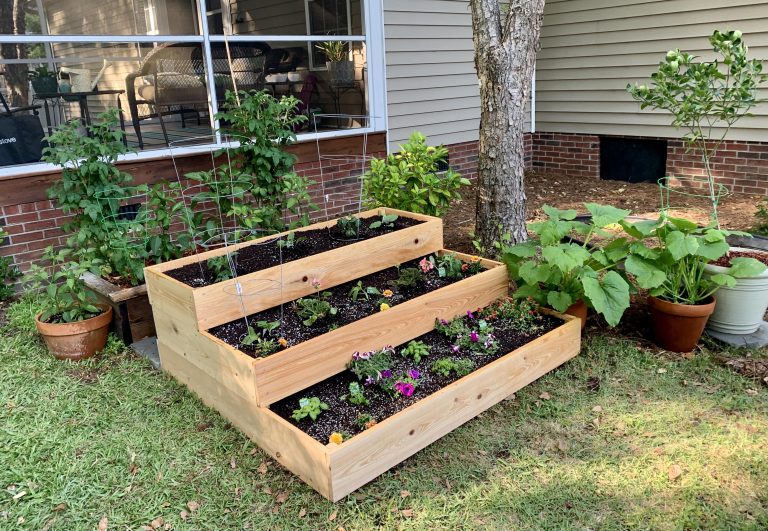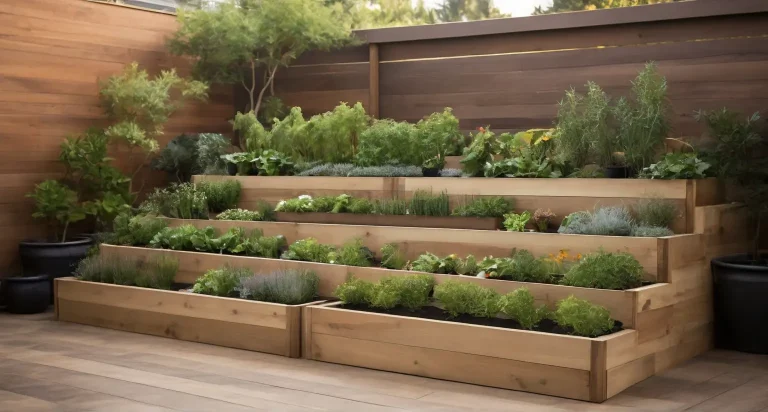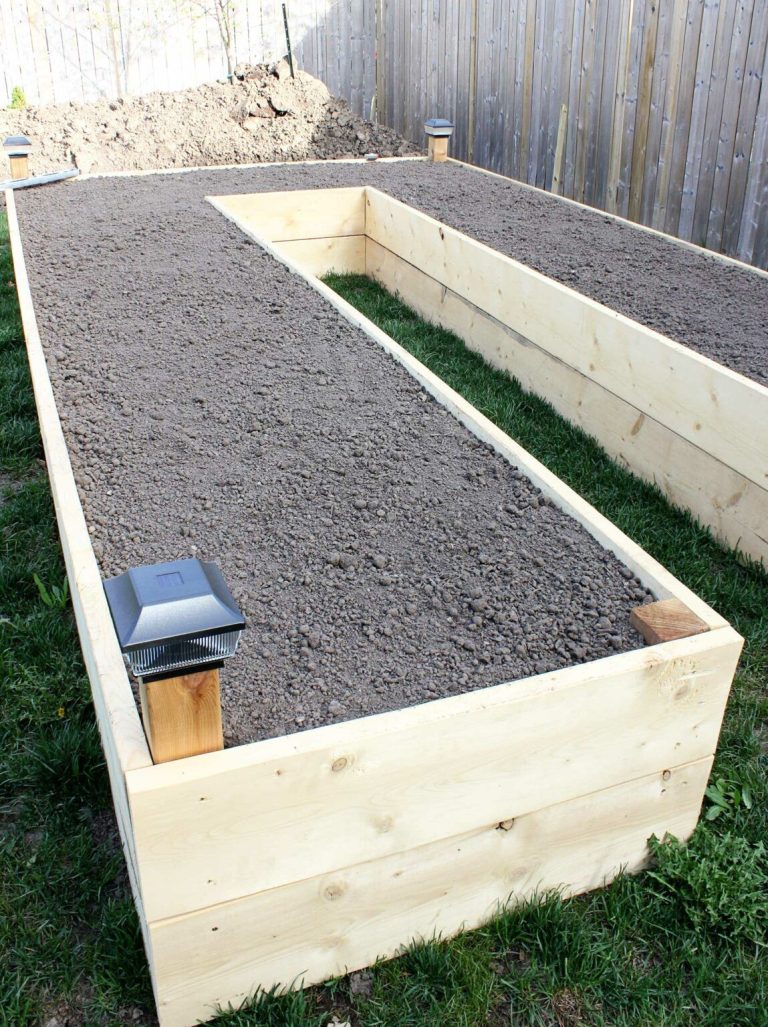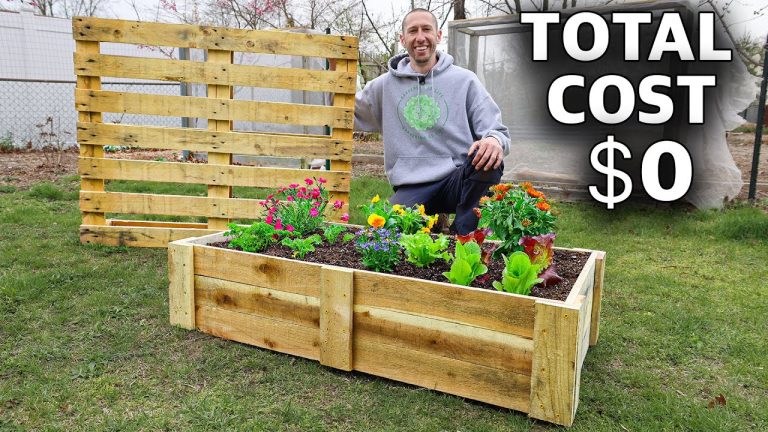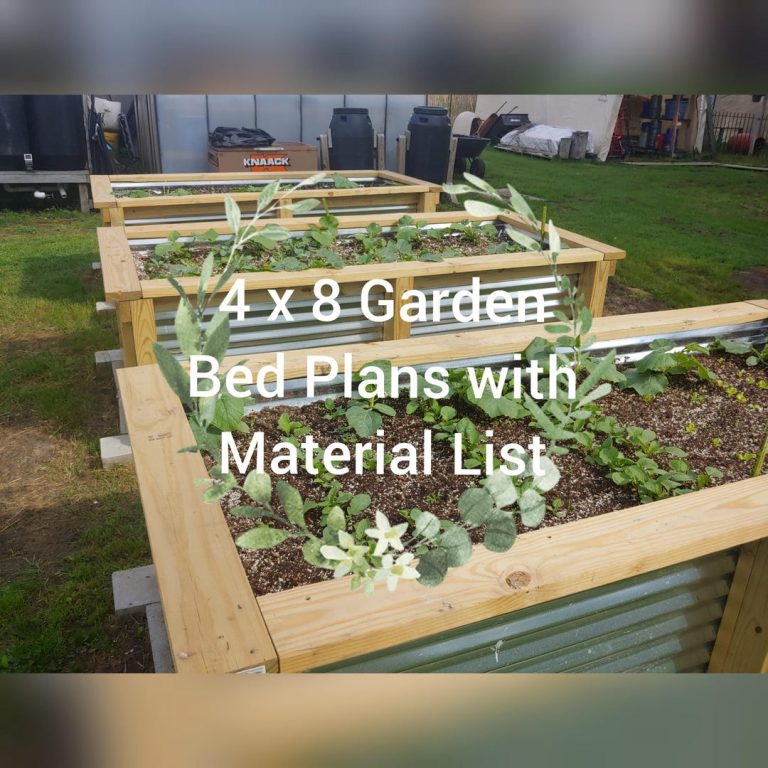
How To Build An Organic Raised Garden Bed: Easy Guide
A raised garden bed gives you more control over soil, drainage, weeds, and plant spacing. An organic raised bed takes that idea one step further by using untreated materials, natural soil amendments, and gentle pest control instead of synthetic chemicals.
I have built raised beds in clay soil, sandy soil, and compacted urban fill across several USDA hardiness zones. The same lesson comes up each time: the bed frame matters, but the soil mix matters more. A well-built bed can grow lettuce, carrots, tomatoes, peppers, beans, herbs, strawberries, and flowers for pollinators with less digging and fewer weeds.
The work is simple enough for a beginner. You need a safe frame, a sunny site, good soil, and a plan for water. If you avoid fresh manure, treated lumber, poor drainage, and beds that are too wide to reach, your first bed can stay productive for many seasons.
Quick answer: Build the bed in one weekend
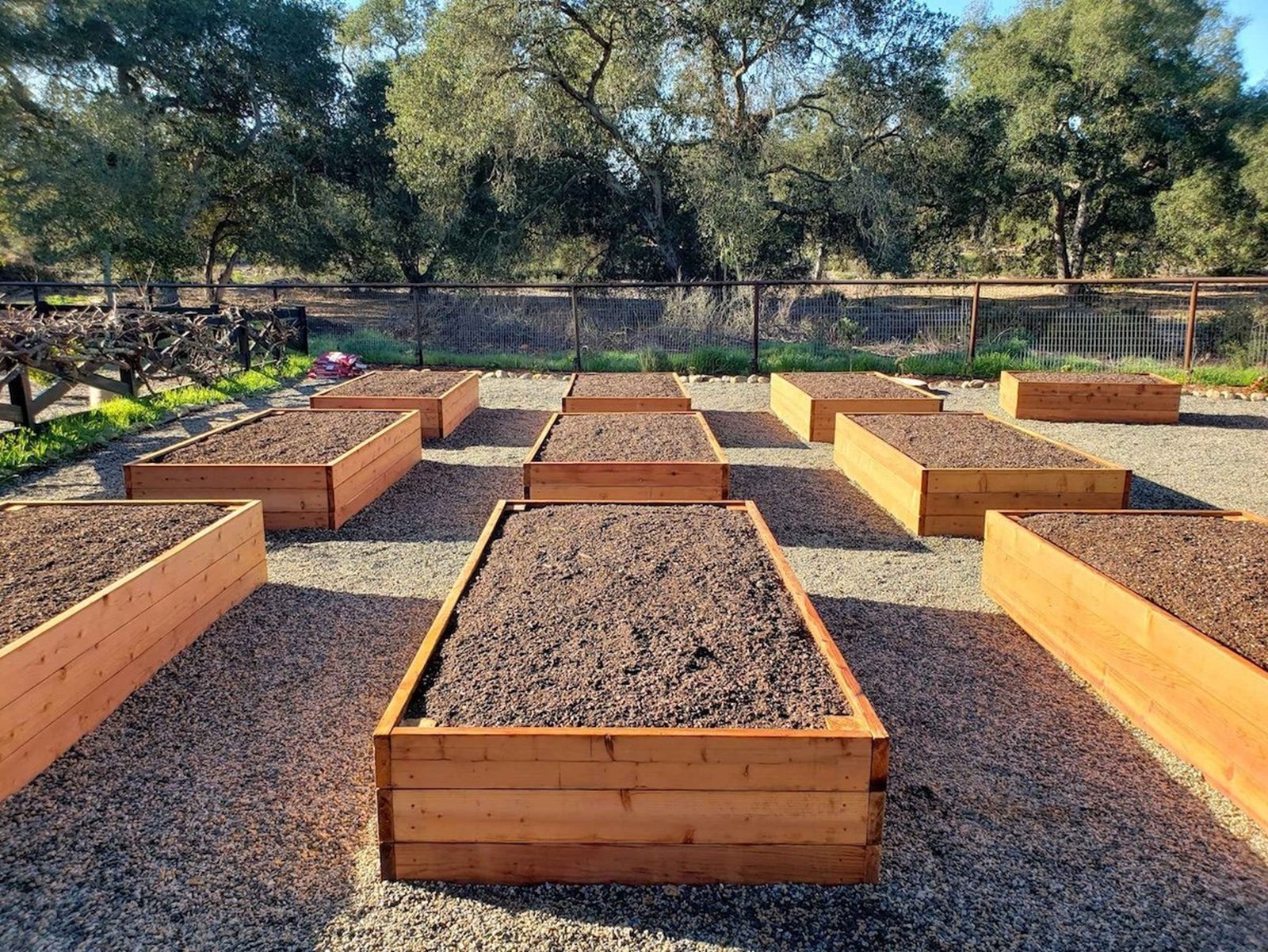
To build an organic raised garden bed, choose a level site with at least six hours of sun, assemble an untreated frame, loosen the ground below it, and fill it with about 60% topsoil, 30% finished compost, and 10% aeration material. Make the bed 8 to 12 inches deep for most crops, add mulch, and water slowly at the soil line.

A 4-by-8-foot bed is a useful size for most homes. It gives you 32 square feet of growing space, but you can still reach the center from both sides. For a first project, a single 4-by-4-foot bed is even easier.
The best time to build is often a few weeks before your main planting season. In cool USDA zones 3 to 5, that may mean early spring after the soil starts to thaw. In warm zones 8 to 10, fall is often the better season because cool crops can grow through winter.
What an organic raised garden bed does
An organic raised bed is a contained growing space that sits above the surrounding soil. The sides hold a mix of soil and compost, while the extra height improves access, drainage, and soil warmth.
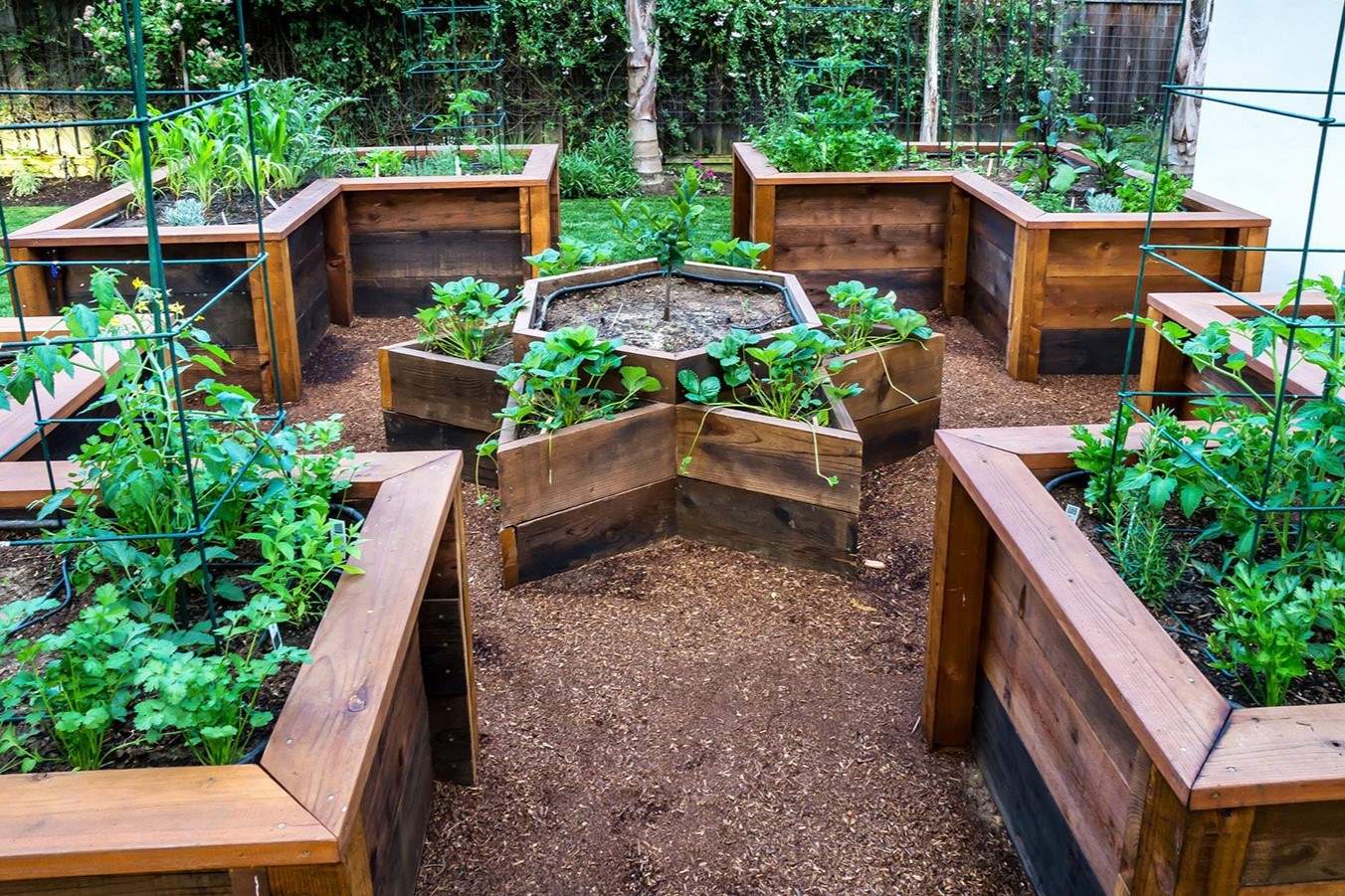
The bed does not need to be certified organic to support organic gardening. The main idea is to avoid materials and products that may add unwanted chemicals or persistent residues. Use clean soil, mature compost, untreated wood, and organic pest methods.
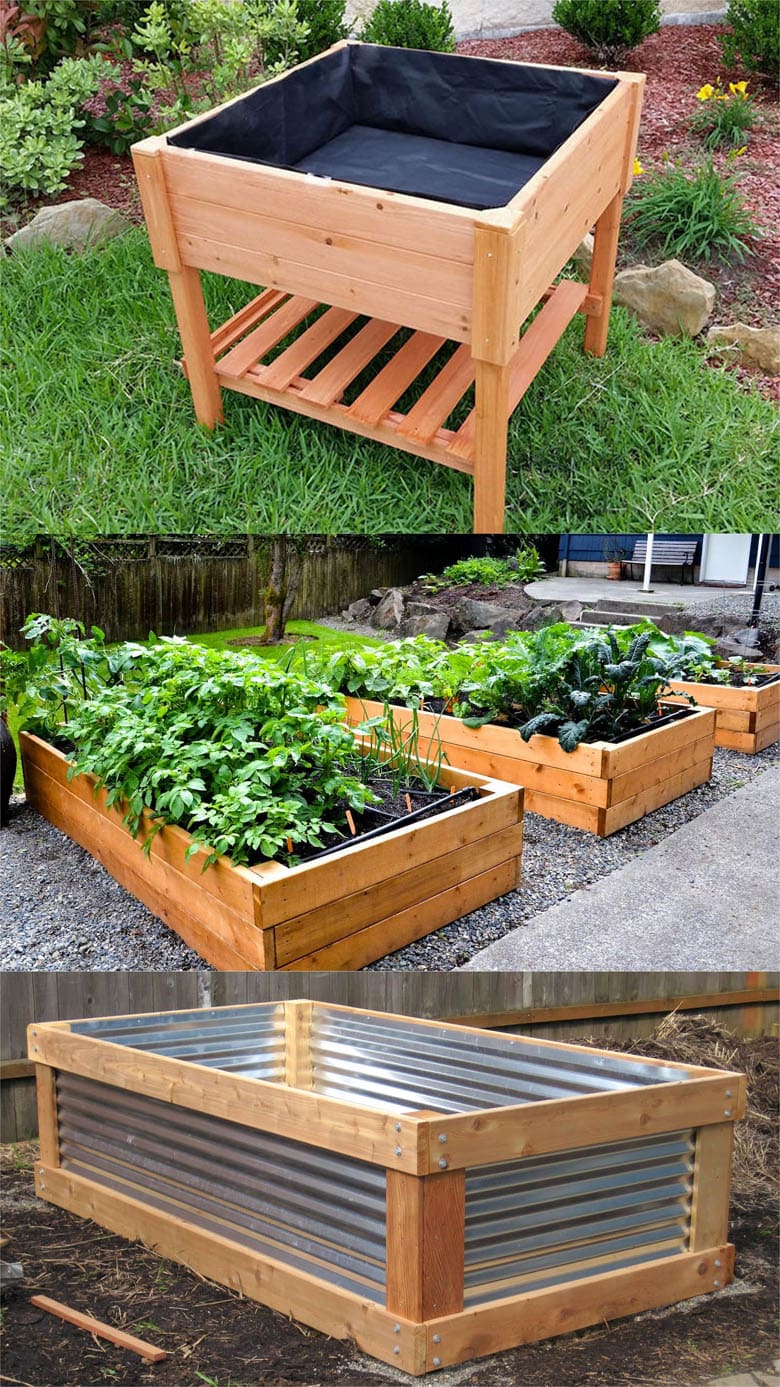
A raised bed is not the same as a planter. Most raised beds have an open bottom, so plant roots can move into the native soil. Planters and elevated boxes usually have a solid base and need more careful watering and drainage.
Open-bottom beds versus enclosed planters
An open-bottom bed works best when the native soil drains well enough and does not contain known contamination. It also lets earthworms and soil microbes move into the new soil.
An enclosed planter makes sense on a balcony, roof, patio, or contaminated site. It needs drainage holes, a lighter mix, and more frequent watering. It may also need stronger supports because wet soil is very heavy.
How deep should a raised bed be?
Most vegetables grow well in 8 to 12 inches of soil. Leaf lettuce, radishes, onions, bush beans, and many herbs can grow in 8 inches. Tomatoes, carrots, parsnips, potatoes, and shrubs need 12 to 18 inches or more.
Here are practical depth guidelines for common crops:
| Crop or plant group | Useful soil depth | Notes |
|---|---|---|
| Lettuce, spinach, radish | 8 inches | Good for shallow spring beds |
| Beans, peppers, herbs | 10–12 inches | Supports steady root growth |
| Tomatoes, carrots, potatoes | 12–18 inches | Deep roots need loose soil |
| Blueberries or dwarf fruit | 18–24 inches | Needs special pH and drainage |
An open-bottom bed can be shallower if the soil below is loose and safe. On hard clay, pavement, or compacted fill, make the bed deeper or improve the soil below before planting.
Choose the site before buying materials
The best site has six to eight hours of direct sun, easy access to water, and enough room to walk around the bed. Watch the area for a full day if possible. A place that looks sunny at noon may sit in shade by late afternoon.

Most fruiting crops need full sun. Tomatoes, cucumbers, squash, peppers, eggplants, and strawberries perform poorly in deep shade. Leaf crops such as kale, arugula, lettuce, and Swiss chard tolerate some afternoon shade, especially in hot USDA zones 8 to 10.
Avoid low spots where rain collects. Raised beds improve drainage, but they cannot fix a site that stays flooded. Also avoid placing the bed directly under black walnut trees. Their roots and fallen leaves can release juglone, a compound that harms some plants.
Check the soil below the bed
If the bed will have an open bottom, test the native soil for drainage. Dig a hole about 12 inches wide and 12 inches deep. Fill it with water and let it drain. Fill it again and measure how long the water takes to disappear.
Water that drains in about 10 minutes may indicate very sandy soil. Drainage that takes several hours suggests clay or compaction. Water that remains the next day signals poor drainage, a high water table, or a hardpan layer.
Think about access and bed direction
Leave at least 24 inches between beds for walking. Leave 30 to 36 inches if you use a wheelbarrow or garden cart. A 4-foot-wide bed works well because most people can reach 2 feet from each side.
North-south bed placement gives plants fairly even light. In a narrow bed, that direction can reduce shade from tall crops. Put tomatoes, corn, trellised cucumbers, and sunflowers on the north side so they do not shade small crops.
💡 Pro Tip: Mark the site with stakes and string before you build. Walk around it with a full watering can. If the route feels tight now, it will feel worse when plants fill the bed.
Tools and materials for one 4-by-8-foot bed
You do not need expensive power tools for a basic bed. A drill, tape measure, level, shovel, and hand saw will handle most of the work. A circular saw saves time when you need clean cuts, but it is not required.

Use untreated lumber that is thick enough to resist warping. Cedar and redwood last well, but they cost more. Untreated pine costs less and may last three to seven years, depending on moisture and soil contact.
Use food-safe or garden-safe fasteners. Exterior-grade screws work better than indoor screws because wet soil and rain cause ordinary steel to rust. If you use metal, choose galvanized or stainless steel hardware.
| Material or tool | Amount for a 4-by-8-foot bed | Purpose |
|---|---|---|
| Untreated 2-by-6 boards | Four 8-foot boards | Makes a 12-inch-high frame |
| Exterior screws, 3 inches | 16–24 | Holds corners together |
| Corner stakes or posts | Four | Adds strength and prevents bowing |
| Compost and soil | About 1 cubic yard | Fills the bed with some settling room |
| Shovel, rake, level, drill | 1 each | Site prep and assembly |
| Cardboard or paper | As needed | Smothers turf and weeds |
A 4-by-8-foot bed that is 12 inches deep holds about 32 cubic feet of soil. That equals about 1.2 cubic yards. Plan to buy 10% to 15% extra because the mix settles after watering.
Lumber safety matters
Do not use old railroad ties, painted boards, or wood with unknown stains. Avoid salvaged lumber if you cannot identify its treatment history. Older pressure-treated wood may contain chemicals that you do not want in a food garden.
Modern treated lumber often uses alkaline copper quaternary, or ACQ. Many gardeners still choose untreated wood for peace of mind. If you do use treated lumber, place a thick plastic liner between the wood and soil, but do not block the bed’s bottom drainage.
Do not line an open bed with plastic
Plastic at the sides may protect wood, but plastic across the bottom traps water. It also blocks earthworms and soil life. For weeds, use overlapping plain cardboard or several sheets of black-and-white newspaper on the ground instead.
⚠️ Warning: Never use glossy paper, plastic-coated cardboard, or cardboard covered with heavy ink. Remove tape and labels before laying cardboard under the bed.
Build the frame step by step
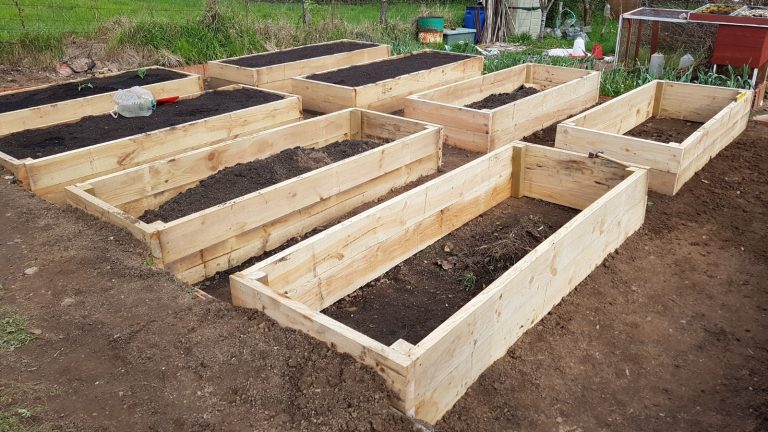
Building the frame takes two people about one to two hours if the boards are already cut. Work on a flat surface, and check each corner before tightening the screws.
1. Mark and level the footprint
Set four stakes at the bed corners. Run string between them. Measure the diagonals from corner to corner. Both diagonals should match, or the bed will sit crooked.
Remove grass and large weeds if they are thick. You do not need to strip every root from the soil. A layer of cardboard under the frame will smother most turf.
Level the site as much as possible. Do not bury one side deeply just to make the top level if that creates a steep soil wall. On a slope, use a stepped design or build a retaining edge first.
2. Cut and dry-fit the boards
For a 4-by-8-foot bed, use two 8-foot boards for the long sides. Cut two boards to 45 inches for the short sides if you want the outside length to remain close to 8 feet and the boards are 1.5 inches thick.
Dry-fit the boards before you drill. The exact cut depends on whether the end boards sit inside or outside the long boards. Measure the actual lumber because a board sold as a 2-by-6 is often about 1.5 by 5.5 inches.
3. Fasten the corners
Pre-drill near the ends of the long boards. Drive two or three exterior screws into each corner. Predrilling helps prevent cracks, especially in cedar.
Add a vertical corner post inside each corner. A 2-by-2 or 4-by-4 post can anchor the frame. For beds longer than 6 feet, add a center brace or cross tie to stop the sides from bowing.
4. Add a second course if needed
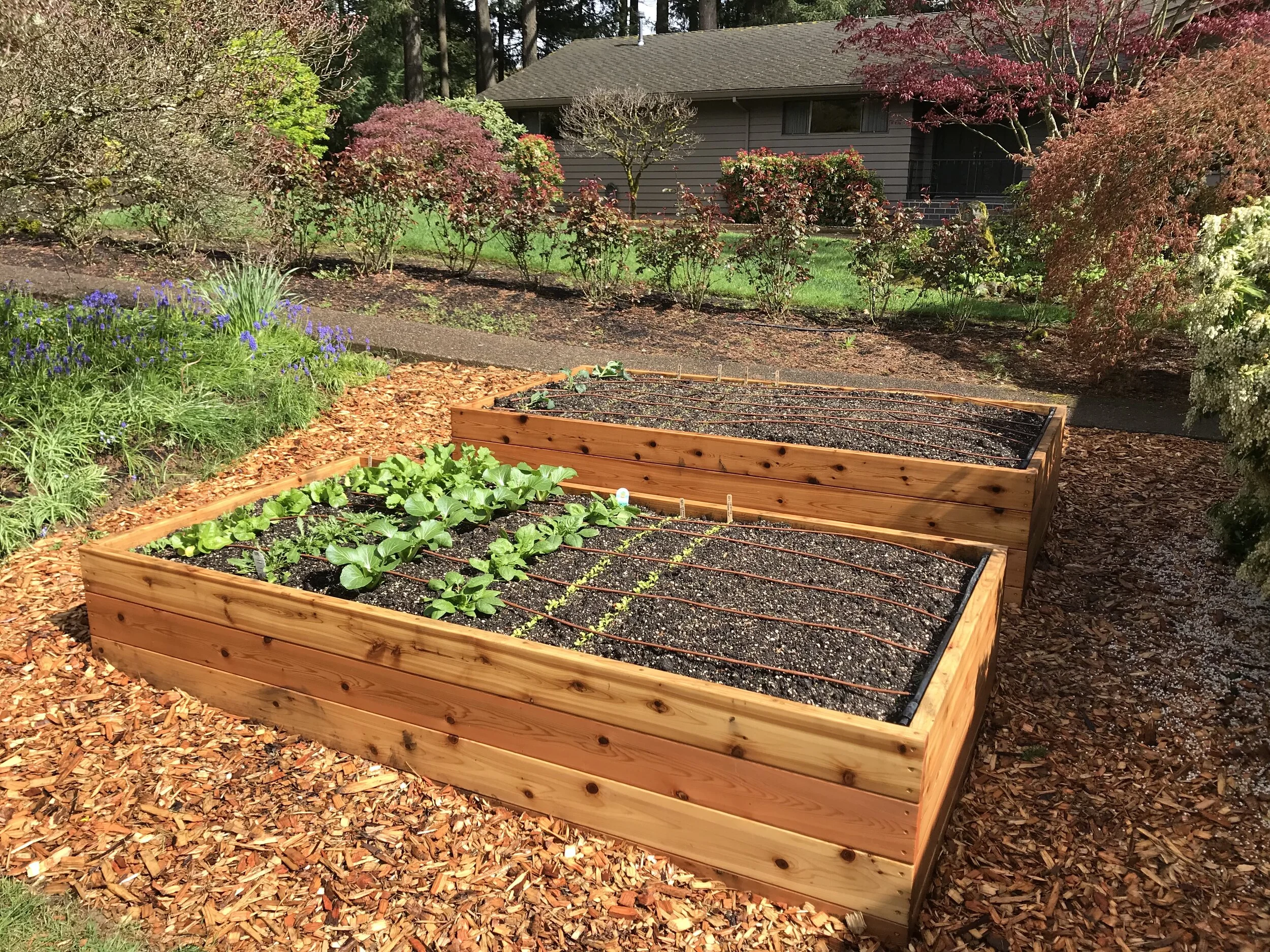
A single 2-by-6 course gives about 5.5 inches of height, not 6 full inches. Stack two courses for a bed close to 11 inches high. Stagger the seams between the first and second course.
Connect the courses with screws through the upper board and into the lower board. Add corner posts that reach the full height. For a bed deeper than 18 inches, use stronger posts and braces.
5. Prepare the base
Place overlapping cardboard inside the frame. Overlap each sheet by at least 6 inches. Wet the cardboard so it stays in place and starts to break down.
Use a garden fork to loosen the top 6 to 8 inches of native soil. Do not turn wet clay with a shovel. Working wet soil can create hard clods that remain for years.
6. Fill and settle the soil
Add the soil mix in layers no deeper than 6 inches. Water each layer lightly as you fill. This removes large air pockets and shows you how much the mix settles.
Rake the surface level, but do not compact it by walking on the bed. Keep the final soil level 1 to 2 inches below the top of the frame. This leaves room for mulch and reduces runoff.
Use a soil mix that feeds plants without holding too much water
The simplest raised bed mix uses about 60% quality topsoil, 30% finished compost, and 10% aeration material such as aged leaf mold, pine bark fines, or coarse garden compost. The exact ratio can change with your native soil and climate.
In wet climates, too much compost or fine material can hold water. In hot, dry climates, a little more compost and leaf mold can help retain moisture. Avoid making a bed from pure compost. Compost shrinks, can hold too much water, and may contain more salts than young roots can handle.
Understand the main ingredients
Topsoil gives the mix mineral structure. Choose screened topsoil from a trusted supplier. Avoid fill dirt, which may contain rocks, weed seeds, or construction debris.
Finished compost adds organic matter and nutrients. It should smell earthy, not sour or ammonia-like. Good sources include plant-based compost, composted leaves, and well-aged manure from a reliable supplier.
Aeration material keeps the soil open. Pine bark fines, leaf mold, and coarse compost work well. Do not use large chunks of fresh wood because they can tie up nitrogen as they break down.
| Ingredient | Main job | What to avoid |
|---|---|---|
| Screened topsoil | Adds mineral soil and structure | Unknown fill dirt |
| Finished compost | Adds organic matter and nutrients | Hot, sour, or unfinished compost |
| Leaf mold or bark fines | Improves air space and texture | Fresh sawdust or wood chips |
| Worm castings | Adds mild fertility | Large amounts as the whole mix |
| Aged manure | Adds nutrients and organic matter | Fresh manure near food crops |
A soil test gives better guidance than guessing. Test pH and nutrients before adding lime, sulfur, or strong fertilizer. Most vegetables prefer a pH from 6.0 to 7.0, while blueberries prefer a much more acidic range near pH 4.5 to 5.5.
How much soil do you need?
Multiply length by width by depth in feet. A 4-by-8-foot bed that is 1 foot deep needs 32 cubic feet of mix.
One cubic yard equals 27 cubic feet. Therefore, 32 cubic feet equals about 1.19 cubic yards. Buy around 1.25 to 1.4 cubic yards to allow for settling.
Never add gravel to the bottom to improve drainage. This can create a perched water layer above the gravel. A loose soil mix and an open bottom drain better than a gravel layer.
🌱 Beginner Note: If bag labels confuse you, buy bulk screened topsoil and finished compost from a local soil yard. Ask where the material came from and whether it has been tested for contaminants.
Plant the bed with an organic layout
A productive bed uses plant spacing, crop height, and season together. Do not fill every inch with plants on the first day. Crowded plants stay wet after rain and can develop mildew, blight, or poor airflow.

Use square-foot spacing as a starting point, but adjust it for variety size. Compact bush beans need less room than pole beans. A determinate tomato such as ‘Roma’ may need less space than an indeterminate ‘Cherokee Purple.’
Place tall plants on the north side. Put lettuce, parsley, radishes, and low flowers on the south side. Add a trellis for peas, cucumbers, or small melons, but anchor it well because a fruit-heavy vine can pull a light frame over.
Plan crop families
Crop rotation matters less in a small bed than in a large field, but it still helps. Do not grow tomatoes in the same soil every year if the bed has a history of tomato blight or wilt.
Rotate among these groups:
- Nightshades: tomatoes, peppers, eggplants, and potatoes
- Legumes: beans and peas
- Brassicas: kale, broccoli, cabbage, and radishes
- Roots: carrots, beets, onions, and garlic
- Cucurbits: cucumbers, squash, and melons
Avoid planting peas and beans right next to onions if space allows. Their needs differ, and the dense growth can make harvest harder. Herbs such as basil, thyme, oregano, and chives can share a bed with vegetables, but aggressive mint should stay in a container.
Add flowers for pollinators
Calendula, nasturtium, alyssum, borage, and dwarf sunflowers attract bees and other helpful insects. Native plants often support more local pollinators than exotic flowers.
Flowers also make the bed pleasant to use. I often tuck sweet alyssum along the edge and grow basil near tomatoes. The basil does not magically protect the tomatoes, but it attracts hoverflies and makes good use of the space.
Water, mulch, and feed the bed correctly
New raised beds need close attention during the first four weeks. Loose soil dries faster than compact ground, especially in a windy site or a hot USDA zone 8 or 9 summer.

Water deeply when the top inch of soil feels dry. Apply water at the soil line rather than spraying the leaves. A soaker hose or drip line saves time and reduces leaf disease.
A 2-inch layer of shredded leaves, straw, or untreated grass clippings helps hold moisture. Keep mulch 2 inches away from tomato stems and other plant crowns. Wet mulch touching stems can invite rot and slugs.
Use a simple watering guide
Weather changes the schedule. Sandy soil may need water every day during a heat wave, while a compost-rich bed in a cool climate may need water only once or twice a week.
| Season or weather | Typical watering pattern | Check before watering |
|---|---|---|
| Cool spring | Once or twice weekly | Top 1 inch of soil |
| Warm summer | Two to four times weekly | Top 2 inches and plant leaves |
| Heat wave | Daily checks, sometimes daily water | Soil at 2–3 inches |
| Cool autumn | Once weekly or less | Rainfall and soil moisture |
Water slowly until the soil is damp several inches down. A quick splash wets the surface but leaves the root zone dry. Morning watering reduces evaporation and gives leaves time to dry.
Feed based on a soil test
Compost supplies mild, slow nutrients, but heavy-feeding crops may need more. Tomatoes, corn, squash, and peppers often use more nitrogen and potassium than lettuce or herbs.
Avoid routine high-nitrogen fertilizer. It can produce lush leaves with few flowers and fruit. If a test shows low fertility, use a balanced organic fertilizer close to the label rate, such as a 4-4-4 blend, and water it in.
Do not add lime just because someone says raised beds need it. Lime raises pH. It helps acidic soil, but it can harm plants if the pH is already near neutral.
Maintain the bed through every season
Organic raised beds stay productive when you replace nutrients and protect the soil. Do not leave the surface bare all winter if rain can wash away fine soil.

At the end of the season, remove diseased plants and discard them in the trash unless your compost pile reaches a reliable hot temperature. Healthy stems and leaves can go into a home compost pile.
Top-dress the bed with 1 to 2 inches of finished compost each spring or fall. Do not dig deeply around established perennials or shallow-rooted crops. Surface applications feed soil life without damaging roots.
Seasonal maintenance plan
| Season | Main tasks | Why it helps |
|---|---|---|
| Spring | Add compost, check boards, repair trellises | Restores soil and structure |
| Summer | Mulch, water deeply, scout pests | Reduces stress and disease |
| Autumn | Remove diseased plants, add compost | Limits pests and protects soil |
| Winter | Cover soil or grow cover crops | Reduces erosion and weeds |
A cover crop such as crimson clover, oats, or field peas can protect unused beds. Cut it before it sets seed and let the plant material wilt on the surface. In cold zones, a thick leaf mulch also protects soil microbes.
How long will the frame last?
Untreated pine may last three to seven years. Cedar can last 10 to 15 years or more. Redwood often lasts longer, but local climate, wood thickness, and soil contact change the result.
The bottom board and inside corners usually fail first. Look for soft wood, dark decay, bowed sides, loose screws, and soil spilling through cracks. Replace one board at a time instead of tearing out a productive bed.
🔧 Quick Fix: If a side begins to bow, empty soil from that section, add an exterior brace or cross tie, and refill the bed in layers. Do not simply drive longer screws into rotten wood.
Solve common raised-bed problems early
Most raised-bed problems come from poor drainage, weak soil, crowding, or pests. A quick inspection each week can prevent a small issue from becoming a lost crop.

The table below matches common signs with likely causes and useful fixes. Always check the soil and roots before adding fertilizer. Yellow leaves do not always mean nitrogen deficiency.
| Symptom | Likely cause | Organic fix |
|---|---|---|
| Plants wilt in wet soil | Poor drainage or root rot | Improve soil texture and reduce watering |
| Soil shrinks sharply | Too much compost or dry mix | Add topsoil and water slowly |
| Yellow lower leaves | Low nitrogen or wet roots | Test soil and check drainage |
| Leaves have holes | Flea beetles, caterpillars, or slugs | Use row cover, hand-pick, or iron phosphate |
| White powder on leaves | Powdery mildew | Improve airflow and water at soil level |
| Tomatoes split | Uneven moisture | Mulch and keep watering steady |
| Carrots fork | Rocks, clods, or fresh manure | Use loose, fine soil without fresh manure |
Slugs hide under boards, mulch, and dense foliage. Hand-pick them at dusk, remove hiding places, and use iron phosphate bait if needed. Follow the label and keep all products away from children and pets.
Aphids often gather on new growth. A strong stream of water can knock them off. Lady beetles, lacewings, and syrphid fly larvae may control them if you avoid broad-spectrum insecticides.
Weigh the benefits and limits before building
Raised beds solve real problems, but they are not ideal for every gardener. They cost more at the start than planting directly in the ground, and they can dry out faster during hot weather.

They work especially well for renters, gardeners with poor native soil, people with limited mobility, and anyone who wants a clear planting area. They also make it easier to install drip irrigation and track crop rotation.
The main trade-off is long-term care. You must refill settling soil, repair the frame, and water more often in dry weather. A ground-level garden may be cheaper if your soil is already fertile and drains well.
| Advantages | Limitations |
|---|---|
| Easier access and less bending | Higher start-up cost |
| Warms earlier in spring | Can dry out quickly |
| Better control of soil quality | Needs regular compost top-dressing |
| Clear borders reduce lawn spread | Wood eventually decays |
| Good for poor or compacted soil | Not a cure for a shady site |
A raised bed is worth the money when soil improvement would take years or when access matters. It may not be worth it for a large garden on good, deep loam.
Keep the project safe and affordable
A basic 4-by-8-foot bed can cost from about $100 to $300, depending on lumber, soil delivery, compost, hardware, and tools. Cedar and delivered soil raise the price. Reusing clean, untreated boards lowers it.

Wear gloves when handling rough boards and compost. Use eye protection when cutting or drilling. If you use a circular saw, wear hearing protection and keep the blade clear of the ground.
Test compost and soil from unknown sources. Urban fill can contain lead, arsenic, or other contaminants. If you grow food near an old building, painted structure, roadway, or industrial site, use a laboratory soil test before planting.
Lower the cost without cutting safety
- Build one small 4-by-4-foot bed first.
- Use untreated pine rather than premium cedar.
- Buy soil and compost in bulk.
- Make your own leaf mold.
- Use a cardboard weed barrier.
- Grow from seed for lettuce, beans, beets, and herbs.
- Add a drip line later instead of buying one immediately.
Do not save money by using fresh manure, unknown lumber, contaminated soil, or a flimsy frame. Those shortcuts usually cost more when crops fail or the bed must be rebuilt.
What did not work in my own beds
My first raised bed used too much compost. The plants grew fast, but the soil sank nearly four inches after one season. The mix also stayed wet after heavy rain. I corrected it by adding screened topsoil, leaf mold, and a wider mulch path around the bed.
I also built a 4-by-10-foot bed without a center brace. By midseason, the long sides bowed outward under the pressure of wet soil. A cross tie fixed the problem, but adding it during construction would have taken five minutes.
In a dry Colorado garden, I underestimated wind. The top few inches dried within a day, even with mulch. A timer-controlled drip line and a thicker layer of leaf mulch made a major difference.
In a humid Maryland summer, my mistake was crowding tomatoes and basil. Air movement was poor, and early blight spread quickly. Since then, I leave more space, prune only when needed, and water at the soil line.
These results show why a raised bed plan must fit your climate. USDA zone tells you about winter cold, but it does not tell you everything about summer humidity, wind, soil texture, or rainfall.
Know when a raised bed is not the right choice
Choose an in-ground garden if you have deep, fertile soil, plenty of space, and no access limits. Improving a large area with compost can cost less than building many frames.
Choose fabric grow bags if you rent or need a temporary garden. They are light, easy to move, and useful for potatoes, tomatoes, and herbs. They dry out faster than raised beds and may last only a few seasons.
Choose a galvanized steel bed if you want a long lifespan and a modern look. Metal frames resist rot, but they can heat up in hot climates. Light-colored finishes and mulch can reduce heat stress.
Choose a masonry or stone bed if you want a permanent structure. It costs more and takes more skill, but it can last for decades. Make sure the base and wall can support wet soil.
Frequently asked questions
Q: What is the best wood for an organic raised garden bed?
A: Untreated cedar is a strong choice because it resists rot and does not require a wood preservative. Untreated pine costs less but often lasts fewer years. Redwood also performs well where it is available. Avoid painted, stained, or unknown salvaged lumber.
Q: Can I put a raised bed directly on grass?
A: Yes. Mow the grass short, cover the area with overlapping plain cardboard, wet it, and build the frame on top. For aggressive perennial weeds such as bindweed or Bermuda grass, remove the sod first and monitor the bed edges.
Q: Should I put rocks under my raised garden bed?
A: No. Rocks do not improve drainage in an open-bottom bed and may slow water movement. Loosen compacted soil below the bed and use a well-structured mix instead.
Q: Can I use compost alone in a raised bed?
A: No. Pure compost can settle, hold too much water, and contain excess salts. Mix finished compost with screened topsoil and an aeration material. Compost should usually make up about 25% to 35% of the finished mix.
Q: How often should I replace the soil in a raised bed?
A: You usually do not need to replace it. Add 1 to 2 inches of finished compost once or twice each year, test the soil every two to three years, and correct pH or nutrient issues based on the test.
Q: How do I keep cats out of a raised bed?
A: Cover fresh soil with sticks, pinecones, or temporary mesh until plants fill in. A low wire frame or bird netting can block digging. Avoid using harmful chemicals or products that may injure pets.
Q: Can I grow carrots in a raised garden bed?
A: Yes, if the soil is loose, fine, and at least 12 inches deep. Remove stones and clods. Short varieties such as ‘Paris Market’ suit shallow beds, while ‘Danvers’ and ‘Nantes’ need deeper, well-worked soil.
Q: Why is my raised-bed soil sinking?
A: Soil sinks when compost, wood products, or air pockets break down. Add finished compost and topsoil in thin layers, water as you fill, and leave the final surface slightly below the frame. Large drops often mean the original mix contained too much compost.
Q: How can I stop a raised bed from drying out?
A: Add 2 inches of organic mulch, water slowly at the soil line, and check moisture below the surface. A soaker hose or drip system helps. In very hot zones, use afternoon shade cloth for lettuce and other cool-season crops.
Q: Can I build a raised bed on concrete?
A: Yes, but build it like a planter. Use a deeper frame with drainage holes, cover the concrete only where needed, and use a lighter soil mix. Concrete reflects heat and can dry roots quickly, so frequent watering may be necessary.
Start small and build for the soil
The best organic raised garden bed is not the largest or most expensive one. It is a bed you can reach, water, feed, and repair without turning garden care into a chore.
Start with a 4-by-4-foot or 4-by-8-foot frame. Use safe wood, fill it with a balanced mix, keep the soil covered, and grow a few reliable crops such as lettuce, bush beans, basil, peppers, and radishes. After one season, you will know what your climate and soil need.
A raised bed can last for years, but healthy soil makes it truly productive. Feed the soil with compost, protect it with mulch, watch your plants often, and adjust one small thing at a time.
Meta description: Learn how to build an organic raised garden bed with safe materials, soil mix ratios, simple steps, crop spacing, watering tips, and organic maintenance advice.