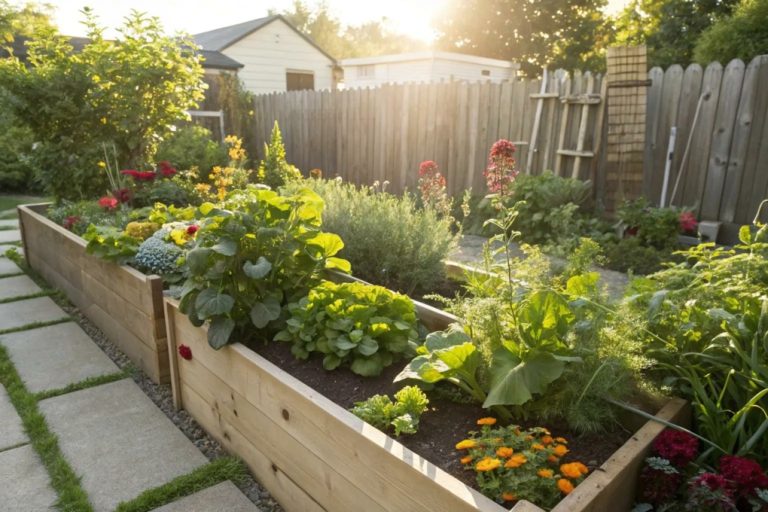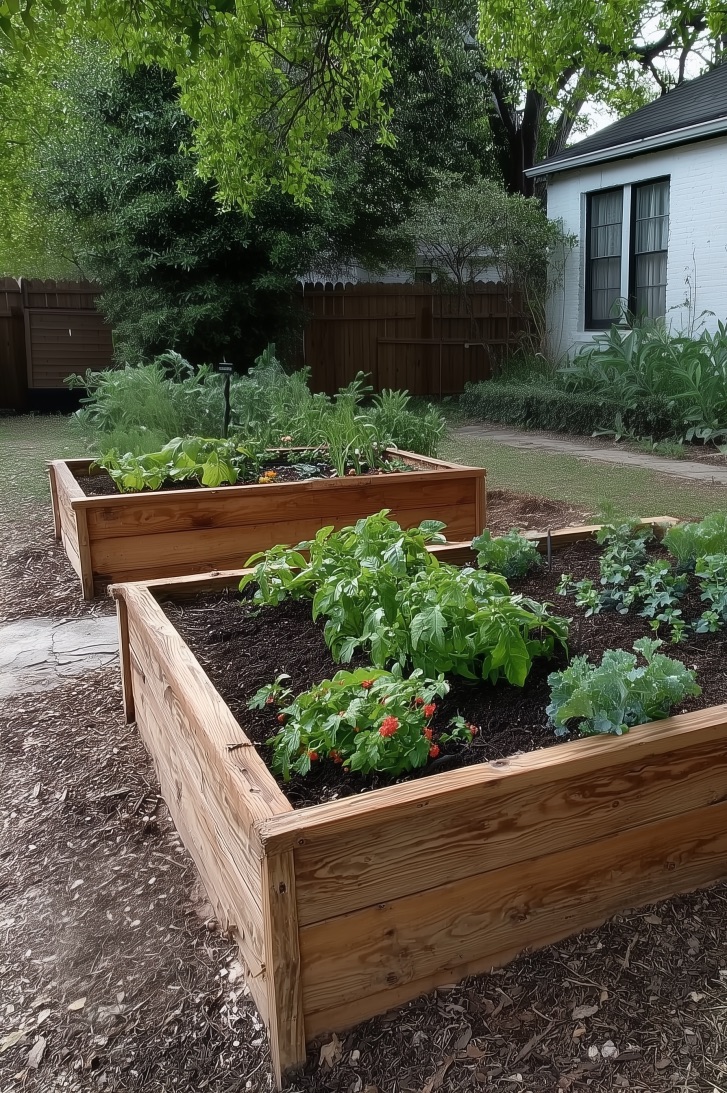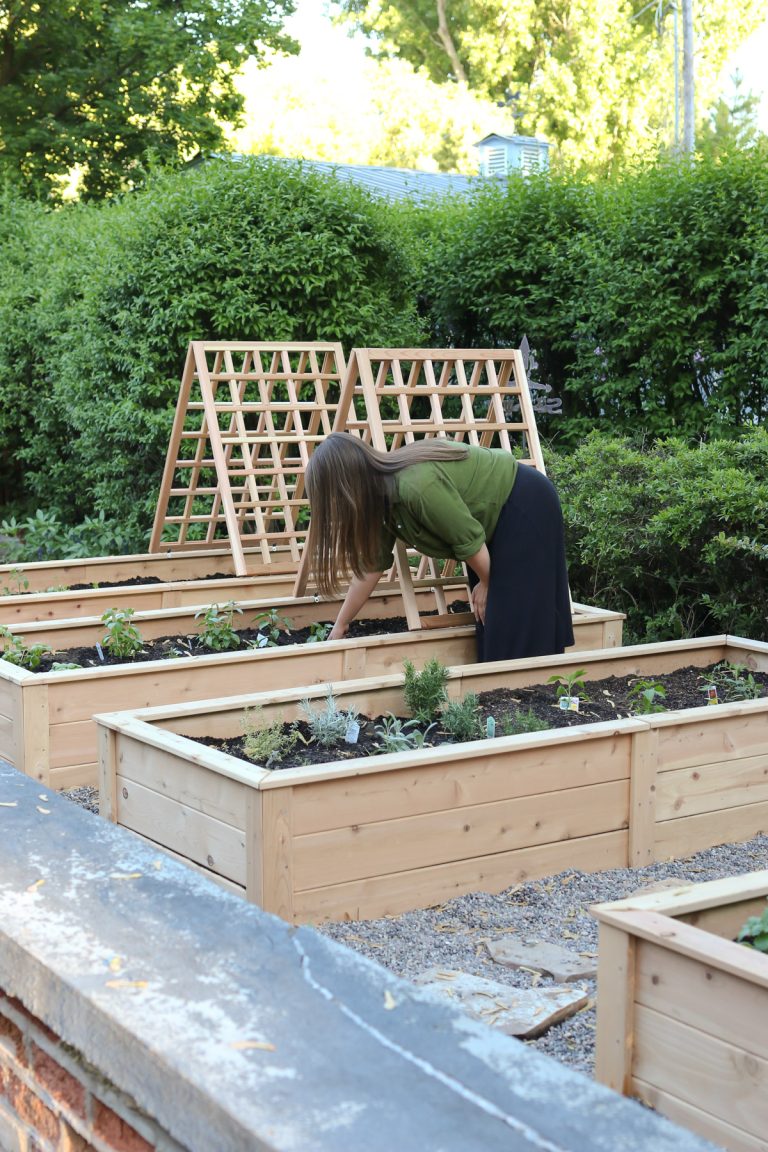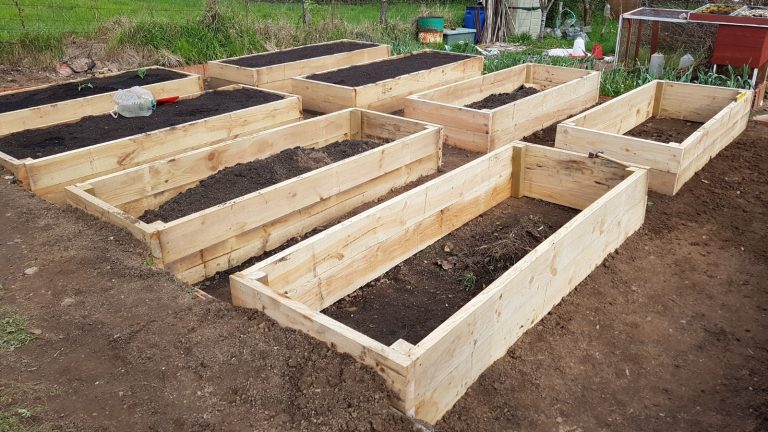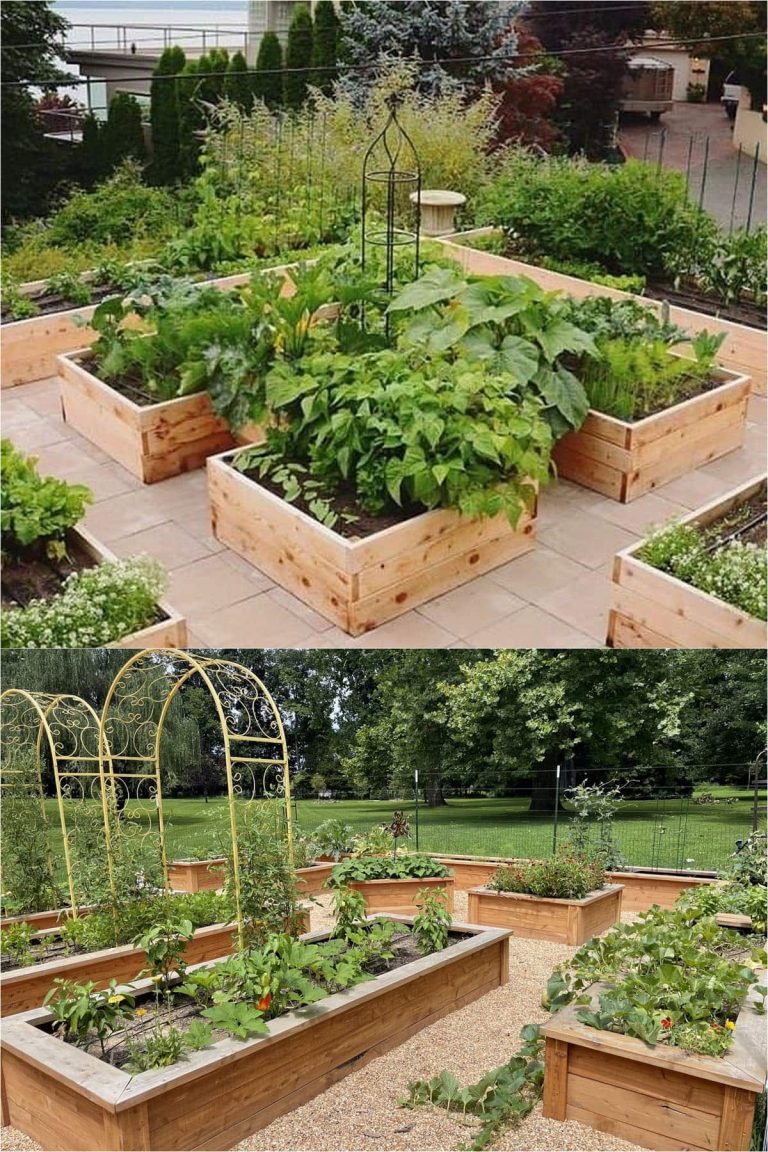
How Far Apart Should Raised Beds Be: Ideal Spacing Guide
Raised beds make gardening easier, but their spacing can make or break the whole layout. Beds that sit too close together are hard to weed, water, harvest, and repair. Beds that sit too far apart waste space and may force you to walk more than needed.
The right gap depends on the bed height, your tools, the crops you grow, and whether you need a wheelbarrow or mower to pass through. A narrow herb bed can use a smaller path than a deep vegetable bed. A garden for children or a gardener with limited mobility needs wider, safer paths.
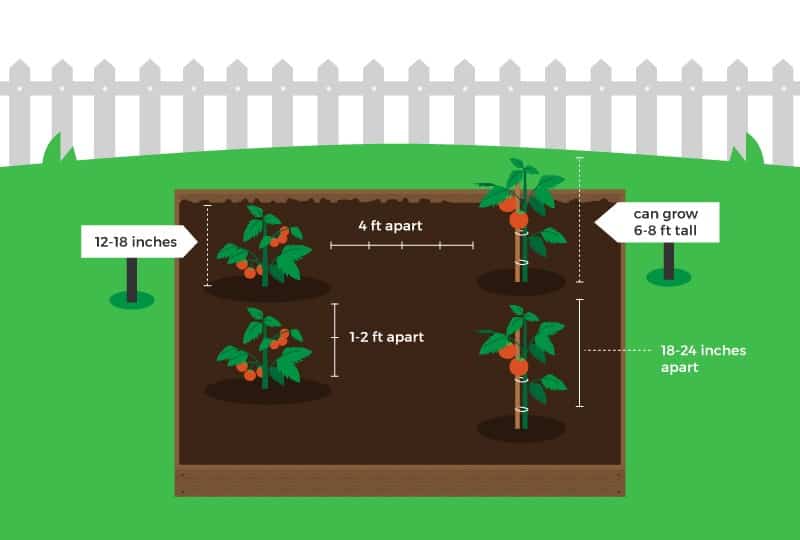
Quick answer: how far apart should raised beds be?
Place raised beds 18 to 24 inches apart for a simple walking path. Use 24 to 36 inches for easy access, watering cans, kneeling, and hand tools. Leave 36 to 48 inches between beds if you use a wheelbarrow, garden cart, mower, or need wheelchair access. Keep each bed no wider than 4 feet so you can reach the center without stepping on the soil.

A 2-foot path works well in many home gardens. It saves space while still giving you room to turn, weed, and harvest. I use 24-inch paths for beds that only need hand care, but I prefer 36 inches around beds with tomatoes, trellises, or sprawling squash.
The key rule is simple: never size paths only for the bed when it is empty. Plan for mature plants, thick mulch, wet soil, tools, and your own body. A path that seems generous in April may feel very tight in July.
The main spacing rules for raised beds
Raised bed spacing has two parts: the distance between beds and the width of each bed. Both measurements affect how well you can work.

Standard path widths
For most backyard vegetable gardens, use these basic spacing targets:
- 18 inches: Tight access for small beds and light hand work
- 24 inches: Good for walking, weeding, and hand watering
- 30 inches: More comfortable for kneeling and carrying supplies
- 36 inches: Better for wheelbarrows, carts, and large plants
- 48 inches: Useful for wheelchair access, two-way traffic, and mower access
A 24-inch path is the smallest gap I recommend for a main garden path. You can use 18 inches between small herb beds, but the space soon feels cramped when plants lean over the edges.
Bed width matters as much as path width
Keep most raised beds between 3 and 4 feet wide. A 4-foot width works well because most adults can reach about 2 feet from either side. This lets you plant and weed without stepping on the growing soil.
For a bed against a wall or fence, limit the width to 2 feet. You can reach only one side, so a wider bed forces you to stretch or walk on the soil.
| Raised bed location | Suggested maximum width | Reason |
|---|---|---|
| Open on two sides | 4 feet | Reach the center from either side |
| Against a wall or fence | 2 feet | Reach from one side only |
| Children’s garden | 2 to 3 feet | Easier and safer for small arms |
| Wheelchair-accessible layout | 3 to 4 feet | Allows reach from a seated position |
| Tall bed with a wide rim | 3 feet | Rim may reduce usable reach |
The takeaway is that a narrow path cannot fix an oversized bed. If you cannot reach the middle, the bed is too wide no matter how far apart it sits from its neighbor.
How to choose the right gap for your garden
The best distance between raised beds depends on how you move through the garden. Start with your widest tool, your largest crop, and the least comfortable task you expect to do.
For hand tools and small gardens
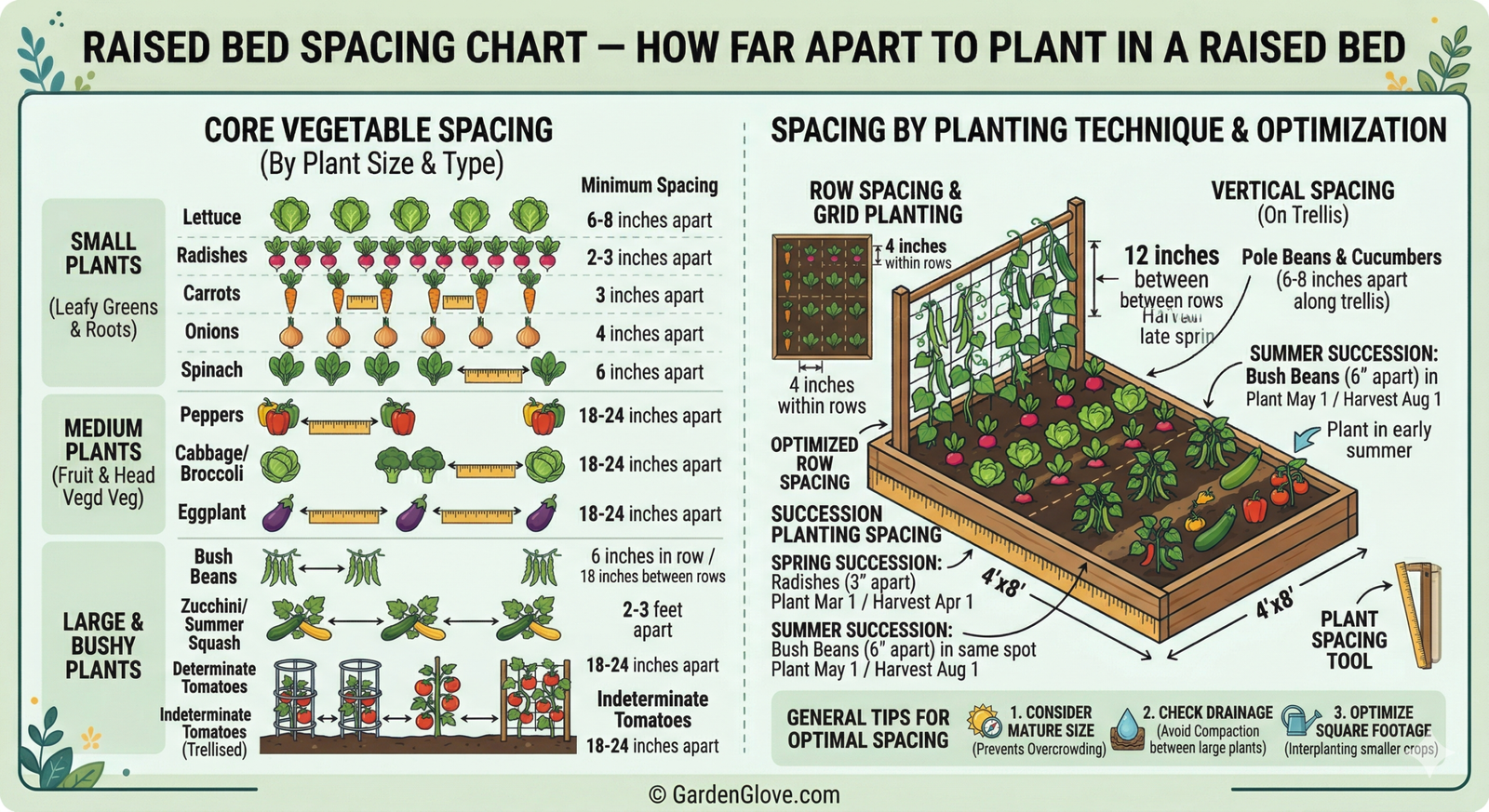
Use 18 to 24 inches between beds if you mainly use a trowel, hand fork, pruners, and a small watering can. This setup works well for lettuce, radishes, carrots, onions, garlic, basil, parsley, and other compact crops.
Small paths also suit balcony-style gardens and narrow side yards. They reduce wasted space and leave more room for plants.
However, narrow paths need more care. Grass and weeds can quickly close the gap. I often spread shredded bark, wood chips, straw, or gravel over a cardboard base to keep the path open.
For wheelbarrows and garden carts
Use 36 inches at minimum if you plan to move compost, soil, mulch, or harvest bins between beds. A standard wheelbarrow is often 24 to 30 inches wide, but its handles and your elbows need extra room.
For comfortable turns, make at least one main path 48 inches wide. A straight 36-inch path may fit the wheelbarrow, but turning around at the end can be frustrating.
For lawn mowers and powered tools
Use 42 to 48 inches if a mower must pass between beds. Measure the mower deck, not just the wheels. A 21-inch walk-behind mower needs extra clearance for the handle and for keeping the deck away from wood edges.
Battery mowers such as the EGO Power+ 21-inch models, Greenworks 60V mowers, and similar machines often need more turning space than expected. Their wide rear handles and tall grass bags can catch on corners.
For mobility access
A person who uses a wheelchair, walker, or cane needs a firm, stable path. Aim for 36 inches minimum for one-way access and 48 to 60 inches where turning or passing is needed.
Avoid loose, deep wood chips on an accessible route. Compacted crushed stone, concrete, pavers, or smooth brick provide better support. Keep the surface level and limit sharp turns.
⚠️ Warning: A path can meet the width requirement and still be unsafe if it slopes, holds water, or shifts underfoot. Test the path after rain before you build every bed around it.
Raised bed spacing by garden layout
The shape of your garden changes how much space you need. A simple row layout uses less planning, while a keyhole or U-shaped design can improve reach but needs wider turning areas.

Row-and-path layout
Parallel beds with straight paths are the easiest design for beginners. Space beds 24 to 36 inches apart and keep all paths aligned.
This layout works well for:
- Long backyards
- Community gardens
- Crop rotation
- Drip irrigation
- Garden carts
- Trellised tomatoes and cucumbers
Leave a 4-foot cross path every 8 to 12 feet in long gardens. Without a cross path, you may need to walk around the entire bed to reach the other side.
U-shaped raised beds
A U-shaped garden can keep plants close while giving you access from the inside and outside. Make the inside path 3 to 4 feet wide. Keep each bed arm no wider than 2 to 4 feet, based on which sides you can reach.
This design works well in a small yard, but it can waste corners. It also becomes hard to turn a wheelbarrow inside the U unless the opening is wide.
Square-foot garden layout
Square-foot gardening often uses 4-by-4-foot beds divided into 1-foot squares. Leave 24 to 30 inches between beds for hand care.
If you use permanent dividers, do not let them reduce the planting space too much. A 4-by-4-foot bed already has only 16 square feet. Thick lumber, wide cap rails, and large trellis posts can take away several inches on each side.
Keyhole gardens
Keyhole beds include a central access path or opening. Keep the inner path at least 24 inches wide for walking and 36 inches wide if you need to carry a basket or watering can.
Keyhole designs save steps, but they do not always save space. They work best when the bed remains narrow enough to reach from the path.
A practical spacing chart
Use the chart below as a starting point, then adjust it for your site and tools.

| Garden use | Space between raised beds | Recommended path material |
|---|---|---|
| Herbs and salad greens | 18–24 inches | Bark, straw, or bare soil |
| Small vegetable beds | 24 inches | Wood chips, gravel, or pavers |
| Tomato and pepper beds | 30–36 inches | Wood chips or compacted gravel |
| Wheelbarrow access | 36–48 inches | Gravel, pavers, or firm soil |
| Mower access | 42–48 inches | Grass, pavers, or compacted stone |
| Wheelchair or walker access | 48–60 inches | Pavers, concrete, or firm stone |
Use the narrowest paths only where you will not need bulky tools. Main paths deserve more space than small side paths.
A mixed-width garden usually works better than one width everywhere. Give the center path 48 inches, use 36-inch work paths, and keep 24-inch gaps between beds that need little attention.
How much space to leave around raised beds
Do not plan only the space between two beds. You also need room around the outside edge of the whole garden.

Leave room near fences and walls
Keep a raised bed at least 12 to 24 inches from a fence or wall if you need to walk behind it. Use 24 to 36 inches if you will prune, paint, repair, or clean the structure.
A bed placed directly against a wooden fence can trap moisture. That may shorten the life of the fence and create a damp place for slugs, earwigs, and fungal disease.
If the fence blocks sunlight, check the seasonal shadow before you build. In northern areas, a tall fence can shade a bed for much of the day. In USDA Zones 3 through 6, this matters during the short spring growing season.
Leave room near trees
Keep raised beds away from large tree trunks when possible. Tree roots compete for water and nutrients, while tree canopies can reduce sunlight and drop leaves into the bed.
A distance of 6 to 10 feet from a mature tree trunk is safer than placing a bed right beside it. Small ornamental trees may need less space, but roots can still travel far beyond the canopy.
Black walnut trees deserve special care. Their roots and fallen leaves may release juglone, a compound that can harm some plants. Tomatoes, peppers, and potatoes can struggle near black walnut trees.
Leave room for irrigation
Add enough space to inspect hoses, drip lines, and connectors. A 24-inch path may be fine, but the outside of the bed should remain visible.
Drip irrigation usually needs less access than overhead sprinklers. Still, you should be able to reach filters, pressure regulators, timers, and hose connections without stepping into the bed.
💡 Pro Tip: Install the irrigation system before you spread mulch in the paths. It is much easier to find a leaking connector when the lines are visible.
Path materials and how they change spacing
The path surface affects both comfort and the amount of space you need. A firm paver path lets you use a little less width than a loose, uneven mulch path.

Wood chips and bark
Wood chips are affordable and easy to refresh. They reduce mud, suppress weeds, and feel pleasant underfoot.
Use a layer about 3 to 4 inches deep, but keep it away from the sides of untreated wood beds. Constant moisture against the lumber can speed decay.
Wood chips settle over time. A path that starts at 24 inches may shrink to 20 inches after spreading and compaction. Make the path slightly wider during construction.
Gravel
Gravel drains well and lasts for years. Small crushed stone, such as ⅜-inch minus gravel, locks together better than round pea gravel.
Pea gravel can shift under shoes, wheelbarrows, and mobility aids. If you use it, install a firm base and edging. Gravel also reflects heat, which can raise the temperature around beds in hot regions such as USDA Zones 8 through 10.
Pavers and bricks
Pavers provide a clean, stable surface. They work well around raised beds because they resist mud and make the garden easier to sweep.
Set pavers on a compacted base. If you place them directly on loose soil, frost heave can create uneven edges in cold zones. Leave enough room between the bed and pavers to inspect the wood.
Grass paths
Grass feels cool and attractive, but it needs regular mowing. Keep grass paths at least 36 inches wide if you mow them with a walk-behind mower.
Grass may creep into the bed and compete with crops. A metal or plastic edging strip can slow this spread, but it will need cleaning several times each growing season.
| Path surface | Main benefit | Main drawback |
|---|---|---|
| Wood chips | Low cost and good weed control | Decompose and need topping up |
| Crushed gravel | Drains well and lasts long | Can be hard to kneel on |
| Pavers | Firm, clean, and accessible | Higher cost and more prep |
| Grass | Cool and attractive | Needs mowing and edging |
| Straw | Cheap and quick to install | Breaks down fast and may contain seeds |
Choose the surface based on your climate and mobility needs, not only appearance. In wet areas, drainage matters more than color. In dry, hot areas, dark gravel may add too much heat.
Raised bed spacing for common crops
The plants inside the bed can determine the space outside it. Some crops stay upright, while others lean, sprawl, or need support.

Compact crops
Lettuce, spinach, carrots, beets, onions, radishes, and bush beans usually stay within the bed. You can place their beds 18 to 24 inches apart if the path remains clear.
Root crops also benefit from neat bed edges. This makes it easier to pull one plant without disturbing nearby rows.
Tall crops
Tomatoes, pole beans, cucumbers, and indeterminate tomatoes need more space around them. Leave 30 to 36 inches between beds if you install trellises or cages.
A trellis can cast shade across the next bed. Place tall supports on the north side when possible. This protects shorter crops such as basil, carrots, and lettuce from unwanted shade.
Sprawling crops
Pumpkins, winter squash, melons, and vining cucumbers can cover paths within weeks. Give them a dedicated bed or train them over a strong trellis.
For bush squash, leave at least 36 to 48 inches around the bed. Even then, leaves may cover the path. I often direct vines toward lawn edges or let them spill into a mulch area rather than placing them between two active paths.
Perennial crops
Asparagus, strawberries, rhubarb, and herbs such as mint need a long-term plan. Keep paths wide enough for access because these beds will remain in place for years.
Mint should grow in a container or isolated bed. Its roots can cross narrow paths and appear in nearby soil. Strawberries may spread by runners, so a 24-inch gap can disappear by the second season.
Spacing raised beds on a slope
Raised beds on a slope need wider planning because water moves downhill. The bed itself should run across the slope, not straight up and down it.

Level the beds, not the whole yard
You do not always need to flatten the entire site. Build or set each bed so its top is level from side to side. Short terraces can reduce erosion and slow water.
Leave enough room between terraces for inspection and drainage. A 3- to 4-foot path often works better on a slope than a 24-inch path because it gives you stable footing.
Control runoff
Use mulch, swales, or planted strips to slow water. Do not direct runoff from an upper bed into a lower bed filled with fine seed or young seedlings.
In clay soil, compacted paths can become channels during heavy rain. Add stone or organic matter to improve drainage, but avoid burying the bed walls.
How to measure and plan the layout
A good plan prevents most spacing problems. Measure the site at several points because fences and walls are rarely perfectly straight.

Step 1: Measure your tools
Measure the outside width of your wheelbarrow, cart, mower, and garden hose reel. Add 6 to 12 inches for hand clearance.
If your wheelbarrow is 28 inches wide, a 36-inch path leaves only 4 inches on each side. That may work on a straight run, but a 42- to 48-inch path will feel much easier.
Step 2: Mark the paths first
Use stakes and string, a tape measure, or a garden hose to mark the paths. Walk through the plan while carrying a bucket.
Turn at corners. Kneel beside the proposed bed. Pretend to pull weeds and harvest tomatoes. These small tests reveal tight areas before you spend money on lumber and soil.
Step 3: Account for bed walls
A bed listed as 4 feet wide may measure 49 inches outside to outside if it uses thick boards and corner posts. Mark the outside edge, not just the planting area.
Also plan for caps, braces, trellis legs, irrigation valves, and any overhang. These parts can reduce the usable path by several inches.
Step 4: Check sun and shade
Most vegetables need 6 to 8 hours of direct sunlight. Place tall crops on the north side of shorter crops.
A narrow gap may look fine on paper but create shade if a bed wall is tall. In hot climates, some afternoon shade helps lettuce and cilantro, but tomatoes, peppers, and melons usually need full sun.
Step 5: Test after rain
Walk the layout after a wet day. Look for puddles, slick clay, soft mulch, and places where water flows between beds.
This test matters most in USDA Zones 4 through 7, where spring soil can remain wet and cold for weeks. It also matters in rainy climates such as the Pacific Northwest.
Materials and tools for building accurate paths
You do not need expensive equipment, but a few simple tools make the layout more accurate.

| Tool or material | Use | Helpful detail |
|---|---|---|
| Tape measure | Check bed and path width | Use a 25-foot model for most yards |
| Stakes and string | Mark straight edges | Set strings at the outside bed edge |
| Garden hose | Mark curves and corners | Useful for testing access |
| Hand tamper | Firm gravel or soil | Prevents later sinking |
| Landscape rake | Level path material | Smooths wood chips and stone |
| Edging material | Keeps paths separate | Metal edging lasts longer than plastic |
A tape measure helps, but your body is also a useful planning tool. If you cannot turn while holding a full watering can, the path needs more room.
Use safety gloves when handling pressure-treated boards, rough lumber, gravel, and landscape staples. Wear eye protection when cutting wood or driving stakes.
Common spacing mistakes and their fixes
Most raised bed layout problems come from planning for empty beds instead of mature gardens.

Mistake: using 12-inch paths
A 12-inch gap may look efficient, but it is usually too narrow for normal care. Your feet may fit, yet your knees, tools, and plants will not.
Fix: Use 18 inches only for low-care beds. For regular vegetable beds, widen the path to 24 inches or more.
Mistake: forgetting plant spread
A bed filled with zucchini or indeterminate tomatoes can cover a path. This makes the whole garden feel smaller by midsummer.
Fix: Give large plants their own edge, trellis them, or use wider paths near them.
Mistake: placing beds too close to fences
You may build a bed 6 inches from a fence and later discover that you cannot paint, repair, or weed behind it.
Fix: Leave at least 18 to 24 inches if you need rear access. Use a narrow bed against the fence if space is limited.
Mistake: measuring only the bed frame
Posts, caps, hoops, irrigation lines, and plant leaves all take space.
Fix: Mark the full outer footprint and add room for growth.
Mistake: using loose gravel on an access route
Deep pea gravel can make a walker or wheelbarrow unstable.
Fix: Use compacted crushed stone, pavers, or concrete on paths that need firm support.
Mistake: making every path the same width
A 48-inch gap everywhere wastes planting space. A 24-inch gap everywhere limits tool use.
Fix: Use a hierarchy: wide main paths, medium work paths, and narrow side paths.
🌱 Beginner Note: Build one or two beds first and garden in them for a season. You may learn that you prefer wider paths than your original drawing showed.
Pros and cons of narrow and wide paths
Both narrow and wide paths can work. The right choice depends on your space, tools, and comfort.

| Path width choice | Pros | Cons |
|---|---|---|
| 18–24 inches | Saves space; fits small yards; fewer materials | Tight for knees, carts, and mature plants |
| 30–36 inches | Comfortable for most hand work; easier harvest access | Uses more garden area |
| 42–60 inches | Fits carts, wheelchairs, and mowers; easy turns | Costs more and reduces planting space |
Narrow paths suit compact crops and careful gardeners. Wide paths make the garden easier to use, especially when you carry compost or garden during wet weather.
Personal lessons from spacing raised beds
I have used raised beds in sandy soil in the Southeast, heavy clay in the Midwest, and cool, wet conditions in the Pacific Northwest. The ideal width changed with each site.

In a small Zone 7 garden, I started with 18-inch bark paths. They looked fine in early spring, but tomato cages and basil plants narrowed the walkway by June. I had to remove some bark and widen two paths to 30 inches.
In a Zone 5 garden with heavy clay, 36-inch paths worked much better. The extra width gave me room to kneel on a dry board while the soil beside the beds stayed wet. It also made it easier to bring in compost with a cart.
One design choice failed in both places: placing a bed less than a foot from a fence. Weeds grew behind it, irrigation leaks went unnoticed, and the wood stayed damp. I now leave at least 18 inches unless the bed is a permanent narrow border.
The best result came from mixed widths. A 48-inch central path handled the wheelbarrow, while 24-inch side paths saved room. That arrangement gave me comfort without turning the garden into a network of empty walkways.
Seasonal spacing and path maintenance
Paths need care throughout the year. A well-spaced garden can still become hard to use if weeds, mulch, or snow reduce the clear width.
Spring
Check for winter heaving, rotted boards, loose gravel, and muddy spots. Top up wood chips after the soil dries enough to support foot traffic.
In cold climates, avoid walking on saturated clay paths. Compaction can create a hard layer that drains poorly all season.
Summer
Trim plants that lean into paths. Tie tomatoes and cucumbers before they become heavy. Pull weeds while they are small.
Inspect drip lines and hose connections at least once a month. A leaking line can wash soil from under a bed or create a slippery path.
Fall
Remove diseased plant debris and rake leaves from paths. Healthy leaves can become compost, but leaves from diseased tomatoes or squash should not remain near next year’s beds.
Move carts and tools before the first hard freeze if the paths are made from loose material. Frozen mud can hold ruts until spring.
Winter
Do not pile heavy snow against wooden bed walls if it may remain wet for months. In areas with deep frost, check whether pavers or gravel shifted.
| Season | Main path task | Why it matters |
|---|---|---|
| Spring | Repair edges and add mulch | Restores clear width after winter |
| Summer | Trim plants and control weeds | Keeps paths usable during peak growth |
| Fall | Remove debris and check drainage | Reduces pests and disease carryover |
| Winter | Avoid heavy loads on frozen ground | Prevents ruts and shifted surfaces |
A short seasonal check prevents small path problems from becoming major layout problems. Most gardens need only a few minutes of inspection each month.
Do raised beds need paths between every bed?
Raised beds do not need a path between every single bed. You can group beds into blocks, but make sure every planting area remains reachable.
For example, place two 4-by-8-foot beds side by side with a 24-inch gap. Add a 36- to 48-inch path around the outside. This saves space compared with wide paths on every side.
You can also create one large bed and divide it with stepping stones. This works only if the stones support your weight and allow you to reach each section without compacting the soil.
Avoid stepping into the growing soil, even if it looks dry. Foot traffic collapses air spaces, reduces drainage, and makes roots work harder. Loose soil benefits earthworms, beneficial fungi, and plant roots.
What to do when your paths are too narrow
You can often improve a cramped garden without rebuilding every bed.
Remove path edging
Thick plastic edging, wide boards, and decorative stones may take 3 to 6 inches from the clear path. Removing them can create useful space.
Prune or redirect plants
Tie cucumbers to a trellis and prune tomato suckers when appropriate. Move trailing squash toward an open lawn or unused corner.
Widen only the main routes
You do not need to widen every gap. Focus on the paths used for wheelbarrows, harvest baskets, and water hoses.
Change the surface
A smooth, firm surface may make a narrow path more usable than deep mulch. Replace loose material with compacted gravel or flat pavers.
🔧 Quick Fix: If a path feels too tight, place a 24-inch-wide board beside the bed and try kneeling on it. If your knees, elbows, or tools extend beyond the board, the path needs more width or a different work method.
How raised bed spacing affects soil, water, and pests
Spacing does more than improve movement. It also changes airflow, water flow, and pest pressure.
Wider paths improve airflow around dense plants. Better airflow helps leaves dry faster after rain and can reduce fungal problems such as powdery mildew and early blight. It does not replace crop rotation or good watering habits, but it helps.
Paths also affect irrigation. A narrow path may force a hose to rub against bed corners, which can damage tender plants and loosen connectors. Keep hose routes in mind before you install permanent beds.
Mulched paths can shelter slugs, earwigs, and sowbugs. This is not always bad; many are decomposers. However, if lettuce leaves touch damp mulch, slug damage may increase. Keep mulch slightly below the bed rim and remove hiding places near young plants.
Companion planting can help attract pollinators and beneficial insects. Marigolds, sweet alyssum, dill, and calendula can grow near paths, but do not let them block access. A pollinator strip beside a wide path often works better than scattering tall flowers between vegetable beds.
Raised bed spacing in small yards
Small yards need careful trade-offs. You can grow a great deal in limited space, but every inch must serve a clear purpose.
Use 2-foot-wide beds along fences and 3-foot-wide beds in open areas. Make one path at least 30 to 36 inches wide for carrying soil and harvests.
Vertical growing can increase production without adding beds. Use trellises for pole beans, cucumbers, peas, and small melons. Keep the trellis on the north side when possible so it does not shade low crops.
Containers can fill awkward corners. A 15- to 20-gallon container for a pepper, patio tomato, or herb may work better than adding a small bed with a difficult path.
Do not fill every open space with soil. A small seating area or clear work zone makes daily care more pleasant. A garden should invite you in, not make you feel like you are squeezing through a maze.
Raised bed spacing for large gardens
Large gardens benefit from a clear access system. Think of paths as roads: a main route, secondary routes, and small work lanes.
Use a 48-inch main path from the garden entrance to the far end. Add 36-inch cross paths between bed groups. Use 24-inch paths only between beds that receive light hand care.
Leave a turning area near the entrance and compost pile. A circular or square space about 6 feet wide allows a loaded wheelbarrow to turn more easily.
For long beds, add cross access every 8 to 12 feet. This reduces walking and lets you reach crops after heavy rain without stepping over plants.
If you use a tractor, tiller, or wide cart, measure its actual working width. A small rear-tine tiller may be 20 to 24 inches wide, but its handles need more clearance. Raised beds and mechanical tools do not always work well together, so decide on a no-till plan before building.
Frequently asked questions
Q: Is 2 feet enough between raised beds?
A: Yes. A 24-inch gap works for walking, hand tools, watering cans, and compact crops. It may feel tight around tomato cages, large trellises, or sprawling squash. Use 30 to 36 inches when you need to kneel or carry a basket.
Q: How wide should a path be for a wheelbarrow?
A: Use at least 36 inches for a straight wheelbarrow path. Choose 42 to 48 inches if the path has corners, uneven ground, or heavy mulch. The wheelbarrow must fit with room for your hands and elbows.
Q: How far should raised beds be from a fence?
A: Leave 18 to 24 inches for basic access. Use 24 to 36 inches if you need to paint, repair, weed, or inspect the fence. A bed against a fence should usually be no wider than 2 feet.
Q: Can raised beds touch each other?
A: They can, but touching beds act like one larger bed and remove access from that side. You must still reach the center without stepping on the soil. Separate beds are easier to rotate, repair, and manage.
Q: How far apart should raised beds be for wheelchair access?
A: Plan for 36 inches as a minimum clear width and 48 to 60 inches where a chair must turn or pass another person. Use a firm surface such as pavers, concrete, or compacted crushed stone.
Q: What is the best path material for raised beds?
A: The best material depends on the user. Wood chips cost less and feel soft, while compacted gravel drains well. Pavers or concrete work best for firm, accessible paths. Grass is attractive but needs regular mowing and edging.
Q: Should raised beds be placed on grass?
A: Yes, but remove or smother the grass first. Use cardboard, newspaper, or a sod-cutting method, then add soil and compost. Grass may grow into narrow paths, so leave enough room for edging and mowing.
Q: How much space do I need around a raised bed for a mower?
A: Leave 42 to 48 inches of clear space for most walk-behind mowers. Measure the mower deck and handle. A 21-inch mower still needs extra room to turn and avoid hitting the bed wall.
Q: Do raised beds need space for airflow?
A: Yes. Wider paths improve airflow around plants and help leaves dry after rain. This can lower disease pressure, especially around tomatoes, cucumbers, and squash. Good spacing does not replace proper watering or crop rotation.
Q: Can I use 18-inch paths in a vegetable garden?
A: You can use 18-inch paths between small beds with compact crops. They work poorly around large plants, wheelbarrows, and heavy harvest work. Treat them as light-use paths, not main routes.
Q: How far apart should raised beds be in a sloped yard?
A: Use wider paths, often 36 to 48 inches, to improve footing and manage runoff. Level each bed across the slope and use mulch, terraces, or drainage features to slow water. Avoid compacting wet clay paths.
Q: How long do raised bed paths last?
A: Pavers and well-built gravel paths can last for many years. Wood chips may need topping up once or twice each year. Grass paths last indefinitely with care but require mowing, edging, and weed control.
Final thoughts
For most home gardens, place raised beds 24 to 36 inches apart. Use 24 inches for compact crops and hand tools, 36 inches for comfortable work, and 42 to 60 inches for carts, mowers, wheelchairs, or turning space.
Start by marking paths, not beds. Walk the layout with your tools, test it after rain, and picture the garden at peak summer growth. A little extra space now will save sore knees, broken plants, and costly rebuilding later.
The most useful raised bed layout is not the one that fits the most soil. It is the one you can reach, water, weed, harvest, and enjoy for many seasons.
Meta description: Learn how far apart raised beds should be, including path widths for hand tools, wheelbarrows, mowers, wheelchairs, fences, slopes, and large plants.