How Do Raised Garden Beds Work: Simple Guide
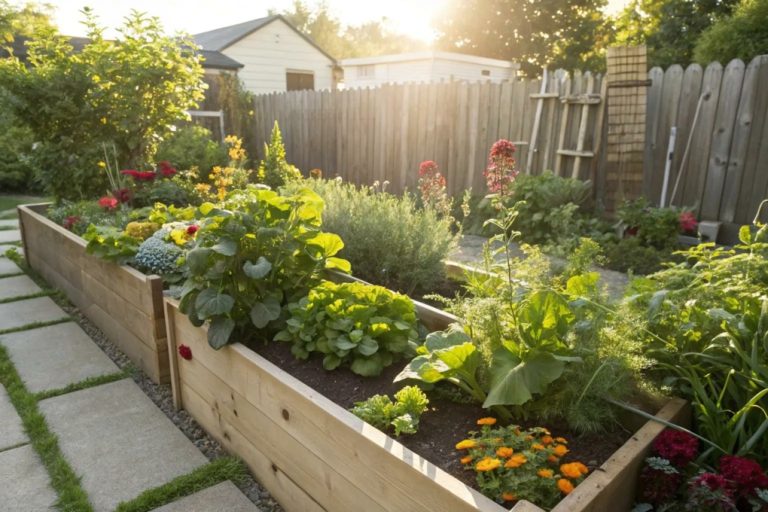
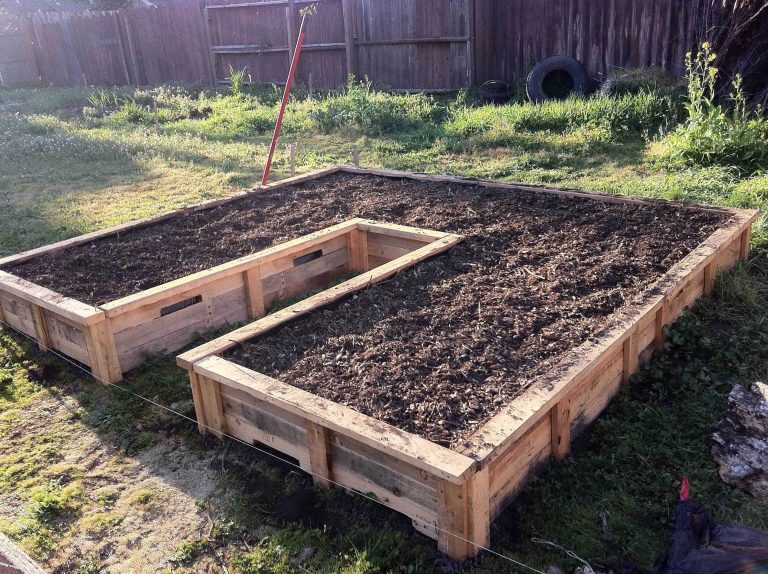
A raised garden bed is a simple growing space where soil sits above the native ground inside a frame or mound. The raised soil warms faster, drains well, and gives roots a loose place to grow. You control the soil mix, plant spacing, water, and nutrients instead of working with hard clay, poor fill, or compacted ground.
That simple change can make a large difference. I have used raised beds in heavy clay in the Midwest, sandy soil in the Southeast, and short-season gardens in USDA Zone 5. The beds helped in each place, but they did not work in exactly the same way. A bed that needs frequent watering in Arizona may stay wet for days in coastal Oregon.
The best raised garden beds are not just boxes filled with dirt. They are small soil systems. Their success depends on depth, drainage, sunlight, soil texture, organic matter, watering, and upkeep. Once you understand those parts, you can build a bed that supports vegetables, herbs, flowers, berries, or pollinator plants for many seasons.

The quick answer: how raised garden beds work
Raised garden beds work by holding a deep layer of improved soil above ground level. This gives plant roots better control over drainage, air, warmth, and nutrients than many in-ground sites provide. The bed frame keeps soil in place, while compost and other organic matter support root growth. Plants still need six or more hours of sun, steady water, and regular feeding.

A raised bed does not create food or water by itself. It improves the root zone, which is the soil area where roots, air, water, and soil organisms interact. If you fill the bed with poor soil, place it in shade, or let it dry out, the frame will not fix the problem.
Most raised beds are 6 to 12 inches tall. Beds for carrots, parsnips, tomatoes, and other deep-rooted plants often work better at 12 to 24 inches. A taller bed also helps people who cannot bend easily, but it costs more and holds more soil.
The main difference between a raised bed and a container is the connection to the ground. A raised bed usually has an open bottom, so roots, earthworms, and water can move into native soil. A container has a closed bottom or a small drainage hole and needs closer watering and feeding.
What a raised garden bed is made of
A raised garden bed has four main parts: a growing space, a soil mix, a border or frame, and a suitable site. Some beds use no frame at all. A low mound of soil can still function as a raised bed if the soil stays above the surrounding grade.
The bed frame
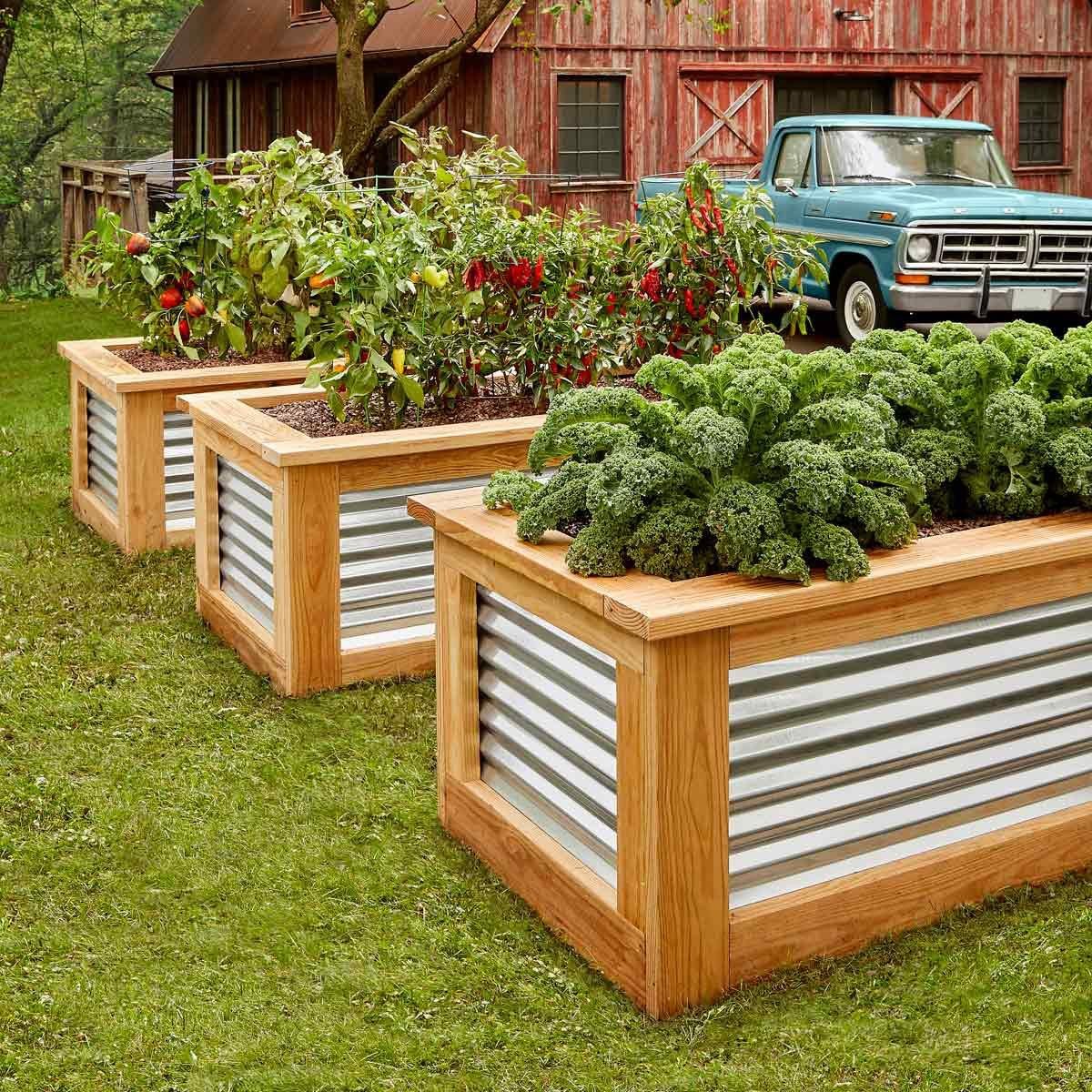
Frames may use untreated cedar, redwood, pine, metal, stone, brick, or recycled plastic. Cedar lasts well in many climates, while untreated pine often breaks down sooner, especially in wet regions. Galvanized steel can last for many years, but dark metal may heat soil in hot, sunny sites.
Avoid old painted lumber, railroad ties, and wood treated with unknown chemicals. Modern residential treated lumber is regulated for common outdoor use, but some gardeners still prefer untreated wood for food crops. The safest choice is a known material from a trusted supplier.
A frame mainly holds soil in place. It does not need to be airtight. Small gaps between boards allow some movement and help the structure release pressure after heavy rain.
The soil inside the bed
The soil mix should hold water but also drain excess water. It should contain mineral particles such as loam, sand, or topsoil, along with organic matter such as finished compost.
A common starting mix uses about 60% quality topsoil, 30% compost, and 10% aeration material such as aged bark fines. The exact mix can change by region. In a dry climate, you may need more organic matter. In a wet climate, too much fine compost can hold excess water.
Do not fill a bed with pure compost. Compost is valuable, but it can shrink, dry quickly, release salts, or contain too many nutrients when used alone. Plants need a balanced root zone, not a pile of rich material.
The site beneath the bed
An open-bottom bed works best on firm, reasonably level soil. Grass, weeds, and old roots should be removed or smothered before filling. A layer of cardboard can suppress lawn for a short time, but it will not solve perennial weeds such as bindweed, quackgrass, or nutgrass.
Do not place an open-bottom bed over contaminated soil unless you use a tested barrier and a suitable design. If you suspect lead, petroleum, pesticides, or industrial pollution, test the soil before growing food.
The table below shows how common bed materials behave in real gardens. Cost and lifespan vary by climate, thickness, moisture, and construction quality.
| Material | Typical strengths and limits | Expected service life |
|---|---|---|
| Cedar or redwood | Resists rot; costs more than pine | About 8–20 years |
| Untreated pine | Low cost; breaks down sooner in wet soil | About 3–8 years |
| Galvanized steel | Long lasting; may heat in hot sun | About 15–30 years |
| Brick or stone | Very durable; heavy and labor intensive | Several decades |
| Recycled plastic | Does not rot; quality varies | About 10–25 years |
Material choice matters most when you plan to keep the bed for many seasons. A cheap pine bed can make sense for a rental garden or short-term trial. Stone or metal may suit a permanent garden where you do not want to rebuild frames.
Why raised beds improve growing conditions
Raised beds improve the root zone by changing how water, air, heat, and soil structure behave. They do not make every plant grow faster, but they often create more predictable conditions.

Better drainage and more air
Compacted soil has few large air spaces. Water sits on top or moves slowly through the root zone. Raised beds filled with loose soil usually drain faster, which helps protect roots from low-oxygen conditions and diseases linked to excess moisture.
This benefit is clear in heavy clay. I once built a bed over dense clay that held puddles after rain. After adding a deep mix of loam and compost, the bed drained within a day, while the nearby ground stayed wet for three days.
Good drainage does not mean rapid drying. A bed filled with sandy soil may lose water too fast. The goal is a balance: water should enter the soil, stay available to roots, and drain before roots lack oxygen.
Faster spring warming
Raised soil often warms earlier than flat ground because it sits above the wet, cold soil below and receives more sun on its sides. This can help lettuce, spinach, peas, radishes, and early herbs get started in spring.
The effect depends on the bed material, sun exposure, soil moisture, and local weather. A raised bed in a shady, wet site may not warm much faster than the ground. Dark metal sides can warm rapidly but may stress roots in hot summers.
Easier soil control
You can choose the soil texture, pH, and organic matter in a raised bed. This helps when native soil has a problem. For example, blueberries need acidic soil near pH 4.5 to 5.5, while many vegetables prefer a slightly acidic to neutral range near pH 6.0 to 7.0.
Raised beds also make it easier to grow different crops in separate soil mixes. You might use one bed for alkaline-loving herbs, one for vegetables, and a dedicated container for blueberries rather than forcing every plant into one soil type.
Less bending and foot traffic
A bed set 12 to 24 inches high can reduce bending. A wide bed also lets you tend plants from the edge, so you do not need to step on the soil.
Never walk inside a bed unless its design allows it. Foot traffic crushes air spaces and makes soil dense. I prefer beds no wider than 4 feet when accessible from both sides and no wider than 2 feet when against a wall or fence.
More efficient use of space
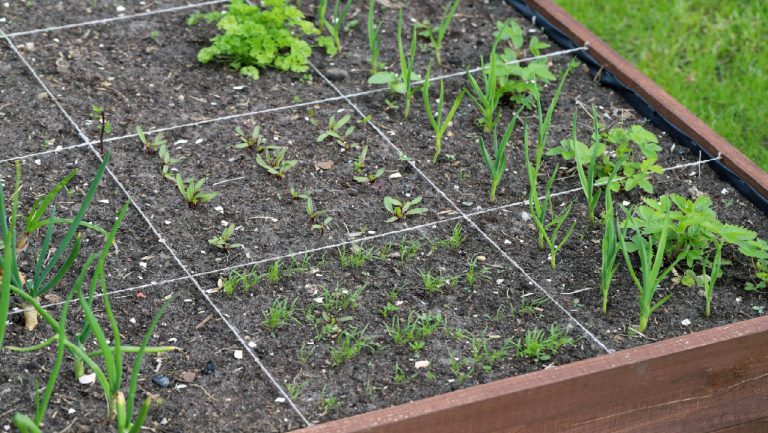
Raised beds suit intensive planting. You can space crops by mature size rather than by wide farm rows. Leaf lettuce, carrots, onions, radishes, and herbs work well in close spacing. Large crops such as tomatoes, zucchini, pumpkins, and winter squash need more room.
Trellises can add vertical space for cucumbers, pole beans, peas, and small melons. Place tall trellises on the north side of the bed in the Northern Hemisphere so they do not shade shorter plants.
How water moves through a raised bed
Water enters through rain or irrigation, moves through soil pores, and either stays available to roots or drains below the bed. Mulch slows evaporation, while wind, heat, sandy soil, and dense planting increase water loss.
The role of soil texture
Soil texture describes the balance of sand, silt, and clay. Sandy soil drains quickly. Clay holds more water but drains slowly. Loam offers a useful balance, though real garden soil rarely fits one perfect label.
Organic matter improves many soils, but it does not work like a sponge forever. Compost breaks down over time. The bed may settle, and its water behavior may change after one or two growing seasons.
How deep water reaches
A short watering may wet only the top inch. This can encourage shallow roots. A slow, deep watering wets more of the root zone and helps roots grow downward.
To test the soil, push a finger 2 inches into the bed or use a moisture meter. If the soil feels dry at that depth, water near the plant base. Do not rely only on surface color, since mulch can hide dry soil.
The following guide gives starting points for common crops. Weather, soil, plant size, and container depth can change the actual need.
| Crop or group | Soil depth | Starting water pattern |
|---|---|---|
| Lettuce, radish, spinach | 6–8 inches | Light watering when the top inch dries |
| Carrot, beet, onion | 8–12 inches | Even moisture; avoid repeated drying |
| Bush bean, cucumber | 12 inches | Deep watering when the top 2 inches dry |
| Tomato, pepper, eggplant | 12–18 inches | Deep watering one to three times weekly |
| Rosemary, thyme, sage | 8–12 inches | Let more of the soil dry between waterings |
The key is steady moisture, not a fixed calendar. A tomato bed in humid Zone 8 may need less water than one in dry Zone 6 during a heat wave.
The best irrigation methods
A watering can works for a small bed. A hose with a gentle shower setting works for a medium bed. Drip irrigation or soaker hoses save time in larger beds and keep leaves dry.
Place drip lines under mulch. Check emitters at the start of each season, because roots, soil, insects, or mineral buildup can block them. Run the system long enough to wet the root zone, then check the soil rather than guessing.
💡 Pro Tip: Put a short piece of wood, such as a paint stirrer, into the soil after watering. If the lower part feels damp but the top looks dry, the bed may have enough water. This simple test helped me avoid overwatering seedlings under dark mulch.
How to choose the right raised bed size
The right size depends on the crop, your reach, the available sunlight, and how you plan to water and harvest. Bigger is not always better. A very large bed costs more to fill and can become hard to reach.

Bed width and access
A 3- to 4-foot width works well when you can reach from both sides. Most people can reach about 2 feet comfortably without leaning on the soil. A bed against a wall should usually stay 2 feet wide or less.
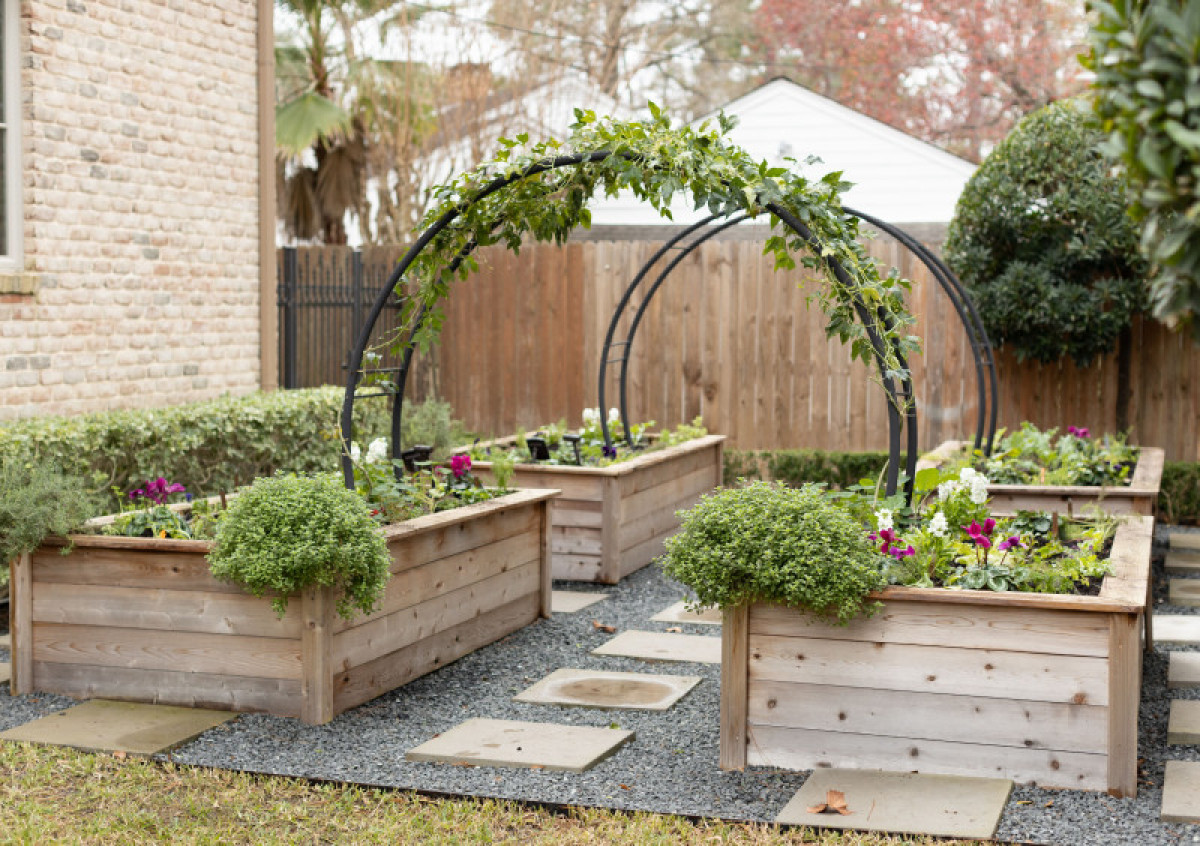
Leave at least 24 inches between beds for walking. Use 30 to 36 inches if you need a wheelbarrow, garden cart, or mobility aid. Narrow paths also hold weeds and make hose movement frustrating.
Bed height and root depth
A 6-inch bed can support lettuce, herbs, radishes, and many annual flowers if the native soil below is workable. A 12-inch bed offers more flexibility. A 24-inch bed works well for deep roots, accessibility, or sites where the ground is poor.
Tall beds need strong sides. Wet soil is heavy. A long, tall bed may bow or split unless you add braces, corner posts, or cross supports.
Sunlight and placement
Most vegetables need at least 6 to 8 hours of direct sun. Fruiting crops such as tomatoes, peppers, cucumbers, and eggplants perform best with more sun. Leafy greens can tolerate some afternoon shade, especially in hot climates.
Watch the site at different times of day. A place that looks sunny in April may sit under tree shade by June. Also check mature tree roots, roof runoff, underground utilities, and nearby fences.
Building and filling a raised bed step by step
A good raised bed starts with a sound site and a settled soil mix. The work takes a few hours for a small bed, but planning prevents years of poor drainage or difficult access.
1. Pick the location
Choose a level site with strong sunlight and easy access to water. Avoid low spots where rain collects. Keep the bed away from large tree roots when possible.
Use a garden hose or stakes and string to mark the outline. Walk around the shape before building. If you cannot reach the center, reduce the width.
2. Prepare the ground
Mow or cut the grass short. Remove large weeds and woody roots. Loosen the top few inches of soil if it is hard, but do not till wet clay.
If lawn covers the area, you can remove the sod or cover it with overlapping cardboard. Add soil soon after placing cardboard so wind does not scatter it. Perennial weeds may grow through gaps, so inspect the edges often.
3. Build the frame
Fasten boards with exterior-rated screws. Add corner posts inside the frame. For beds more than 6 feet long or 12 inches tall, add a center brace or crossbar.
Check each corner with a square or by measuring the diagonals. A slightly uneven bed can still grow plants, but a level frame makes irrigation and soil depth more even.
4. Add a safe bottom layer
For an open-bottom bed, do not add landscape fabric unless you have a clear reason. Fabric can slow root movement and often becomes clogged with soil.
A layer of cardboard can suppress grass. Hardware cloth under the frame may help deter voles and other burrowing pests. Use a mesh size small enough to block the pest but large enough to drain.
5. Fill with a suitable mix
Add soil in layers and mix lightly as you go. Do not pack each layer by walking on it. Water the bed once it is filled to help settle air pockets.
Leave 1 to 2 inches below the rim. This prevents soil and water from spilling over the sides. The soil will settle more during the first few months.
6. Install irrigation and mulch
Set up drip lines or a soaker hose before planting. Add 1 to 2 inches of clean straw, shredded leaves, or fine bark around plants.
Keep mulch a few inches away from tomato stems, pepper stems, and young seedlings. Thick wet mulch touching stems can encourage rot and shelter slugs.
7. Plant by root depth and season
Place tall plants where they will not shade shorter crops. In cool spring weather, plant peas, kale, lettuce, radishes, and onions. After frost danger passes, plant tomatoes, peppers, basil, beans, cucumbers, and squash.
In USDA Zones 7 through 10, you may grow cool-season crops in fall and winter. In Zones 3 through 5, a raised bed can warm early but may still need row cover for frost.
8. Add supports before plants need them
Install tomato cages, bean trellises, and cucumber supports at planting time. Waiting until vines spread can disturb roots.
Use sturdy supports for indeterminate tomatoes such as ‘Cherokee Purple’ or ‘Sungold’. A flimsy cage may bend under a full crop after a storm.
The next table lists basic materials for a first bed. It assumes a simple open-bottom bed about 4 feet by 8 feet and 12 inches deep.
| Material or tool | Why you need it | Practical note |
|---|---|---|
| Rot-resistant boards or metal panels | Holds the soil | Add braces for long or tall beds |
| Exterior screws and drill | Joins the frame | Use corrosion-resistant hardware |
| Topsoil and finished compost | Forms the root zone | Avoid pure compost |
| Shovel, rake, and level | Prepares and fills the bed | A wheelbarrow saves time |
| Cardboard or hardware cloth | Suppresses grass or blocks pests | Use only where needed |
| Hose, drip line, or soaker hose | Delivers water | Install before mulching |
| Straw or leaf mulch | Reduces evaporation and weeds | Keep it off plant stems |
A simple kit is enough for most home gardens. You do not need a tiller, power auger, or expensive soil gadget for one or two beds.
🌱 Beginner Note: Start with one 3-by-6-foot bed if you are unsure. It is large enough for several crops but small enough to water, weed, and replant without feeling like a second job.
What to grow in a raised garden bed
Raised beds work well for crops that value loose soil, close care, or good drainage. They also make crop rotation and companion planting easier.
Vegetables
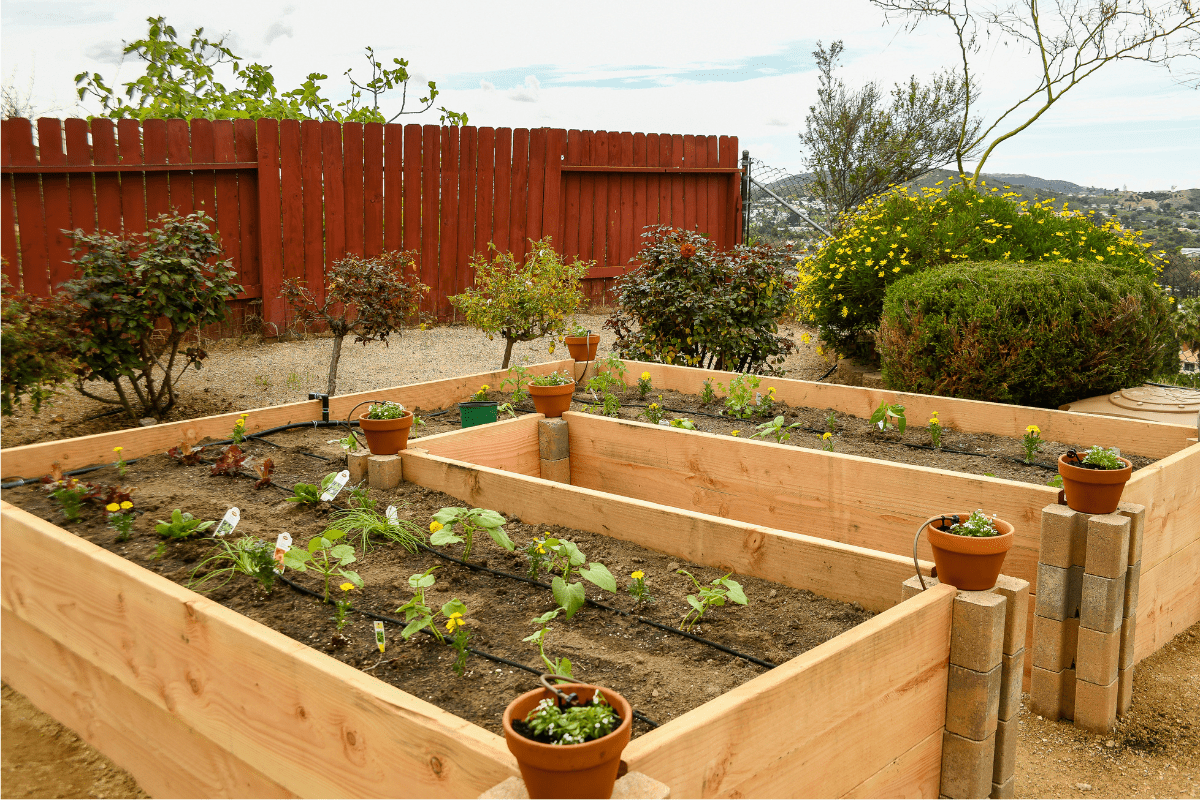
Good choices include lettuce, kale, spinach, carrots, beets, radishes, onions, garlic, bush beans, peas, peppers, eggplant, and tomatoes. Root crops need loose soil without stones or thick wood chips.
Carrots such as ‘Danvers’ and ‘Nantes’ need consistent moisture. If the soil dries and then floods, roots may split or become rough. Fine soil and steady watering matter more than adding large amounts of fertilizer.
Tomatoes need space, support, sun, and deep soil. Plant them deeply, but do not bury the leaves. Remove lower leaves that would sit in the soil.
Herbs
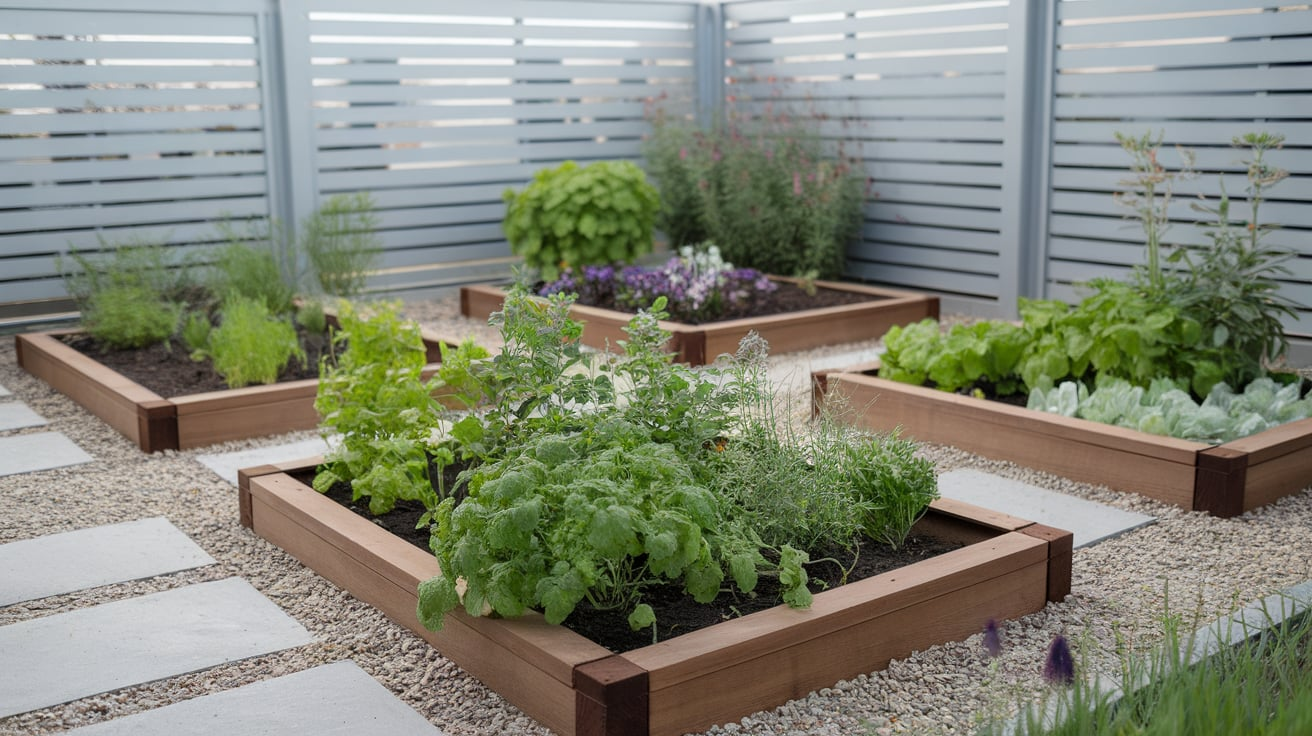
Basil, parsley, cilantro, chives, oregano, thyme, sage, and rosemary can grow in raised beds. Mediterranean herbs such as thyme, rosemary, and sage prefer leaner, well-drained soil than lettuce or cabbage.
Mint should usually grow in its own container. Even inside a raised bed, mint can spread through roots and take over nearby plants.
Flowers and pollinator plants
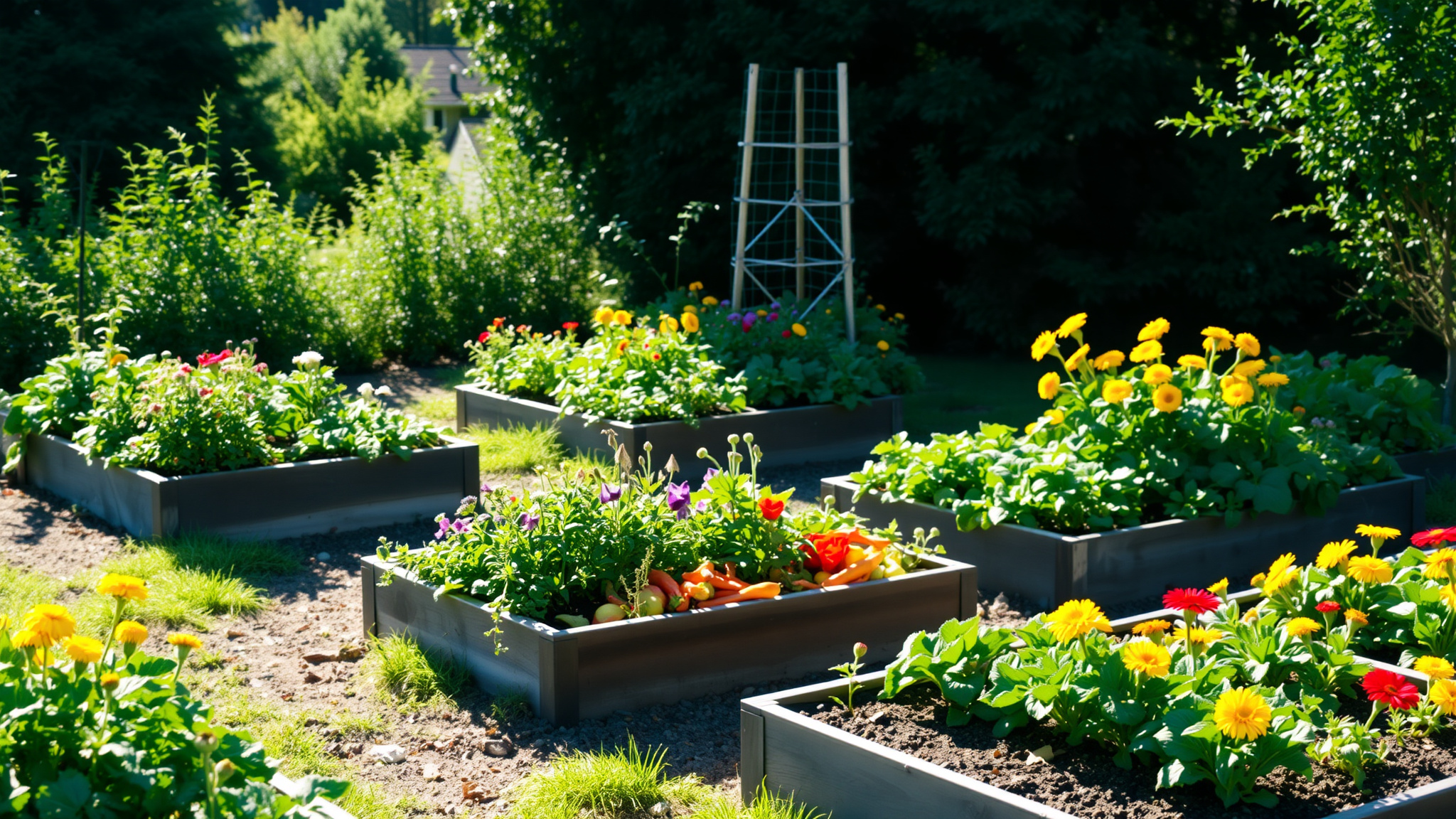
Marigolds, calendula, zinnias, nasturtiums, alyssum, coneflower, bee balm, and yarrow attract pollinators and beneficial insects. Choose plants that match your climate and bed height.
Pollinator plants do not replace habitat elsewhere, but they add nectar and shelter near food crops. Avoid treating open flowers with broad-spectrum insecticides when bees are active.
Crops that may need another setup
Large pumpkins, sprawling winter squash, corn, fruit trees, and vigorous raspberries can outgrow a standard bed. You can grow some of them beside or at the edge of a bed, but they may need more space.
Blueberries often perform better in large containers because their low pH needs differ from most vegetable soil. Asparagus can grow in a deep bed, but it occupies the space for many years and needs careful preparation.
How to fertilize and maintain a raised bed
Raised beds need less digging than in-ground gardens, but they still need feeding, watering, weeding, and soil renewal. Roots remove nutrients, and organic matter breaks down.
Test before adding fertilizer
A soil test can show pH, phosphorus, potassium, and sometimes organic matter. Test new soil before adding lime, sulfur, or strong fertilizer. Excess phosphorus can harm waterways and does not help a plant that already has enough.
Most vegetables grow well near pH 6.0 to 7.0. Potatoes tolerate a more acidic soil, while blueberries need much more acid. Do not adjust pH by guesswork.
Add compost once or twice a year
Spread about 1 inch of finished compost over the surface in spring or after a crop ends. Mix it lightly into the top inch or leave it as a surface layer for soil organisms.
Do not bury fresh manure in a bed before planting food crops. Fresh manure can burn roots and may carry pathogens. Use well-aged composted manure from a reliable source.
Use fertilizer based on the crop
Leafy crops often respond to nitrogen. Fruiting crops need balanced nutrition, but too much nitrogen can produce large leaves and few tomatoes or peppers.
A general vegetable fertilizer might show an NPK ratio such as 5-5-5. That label means equal percentages of nitrogen, phosphate, and potash by weight. Follow the label because product strength varies.
Rotate plant families
Move tomatoes, peppers, eggplant, and potatoes away from the same soil when possible. They belong to the nightshade family and can share problems such as early blight, verticillium wilt, and some soil pests.
Rotate brassicas such as kale, broccoli, cabbage, and radish with unrelated crops. Rotation does not prevent every pest, but it reduces repeated pressure in a small space.
| Task | Suggested timing | What to check |
|---|---|---|
| Check soil moisture | Two or three times each week | Feel 2 inches below the surface |
| Inspect irrigation | Weekly in the growing season | Look for blocked or leaking emitters |
| Remove weeds | Weekly | Pull seedlings before they set seed |
| Add mulch | After soil warms | Keep mulch away from stems |
| Add compost | Spring or between crops | Use finished, clean compost |
| Inspect frame | Spring and fall | Look for rot, bowing, rust, or loose screws |
| Empty or protect tools | Before winter | Clean, dry, and store tools under cover |
A short routine prevents most large problems. I spend about 10 minutes per bed during a normal weekly check and more during harvest or heat waves.
Common raised bed problems and practical fixes
Raised beds solve some problems but can create others. Most failures come from poor soil, weak frames, uneven water, bad placement, or unrealistic crop choices.

The soil dries too fast
Signs include wilted leaves, cracked soil, dry edges, and plants that recover at night but wilt again by afternoon. Sandy mixes, black metal beds, strong wind, and shallow beds increase this risk.
Add organic matter over time, apply mulch, and use drip irrigation. Water slowly and deeply. If a bed dries within hours, inspect the mix for excessive sand, fine bark, or hydrophobic compost.
The soil stays wet
Signs include yellow leaves, soft roots, fungus gnats, algae, and a sour smell. Dense clay below the bed, too much fine compost, clogged irrigation, or a site with poor drainage may cause the issue.
Check whether the bed has an open bottom. Reduce watering, clear blocked drains, and avoid adding more compost until the soil dries. In severe cases, rebuild the mix with more mineral soil and coarse organic material.
The bed settles
Soil often drops several inches during the first season. Compost decomposes, air spaces collapse, and earthworms move through the bed.
Top up with a soil-and-compost blend. Do not add a thick layer of pure compost each time. If the bed settles dramatically, inspect for leaking sides, buried wood, or washed-out soil.
Wood rots or metal rusts
Moist soil touches the frame every day. Pine may rot at the base first. Thin metal may bend, corrode at cut edges, or separate at fasteners.
Replace damaged boards before they collapse. You can build an inner liner, but avoid sealing the bed so tightly that water cannot drain. Use exterior-rated hardware and keep soil slightly below the frame rim.
Roots reach contaminated soil
Roots may grow through an open bottom. This is helpful in clean soil but risky in polluted ground.
Use a bottom barrier and a clean soil mix when a soil test shows contamination. A barrier can reduce root contact but may also reduce drainage and earthworm movement. Raised beds are not a complete fix for severe contamination.
Pests find the fresh soil
Slugs, cutworms, flea beetles, aphids, cabbage worms, squirrels, and voles may still enter. A raised bed is not a pest-proof bed.
Use row cover, insect netting, hand picking, copper barriers for slugs, and hardware cloth for burrowing animals. Encourage lady beetles, lacewings, birds, and other beneficial organisms. Avoid broad insecticide sprays when flowers are open.
| Symptom | Likely cause | First fix |
|---|---|---|
| Leaves wilt every afternoon | Dry soil, heat, or damaged roots | Check soil at 2 inches; water deeply |
| Yellow leaves with wet soil | Overwatering or poor drainage | Pause irrigation and inspect drainage |
| Bed soil drops quickly | Compost settling or washed-out mix | Add topsoil with a small amount of compost |
| Plants grow tall with few flowers | Excess nitrogen or low light | Test soil and check sun exposure |
| Seedlings disappear overnight | Slugs, cutworms, or rodents | Inspect at dusk and add a barrier |
| Frame bows outward | Weak boards or heavy wet soil | Add braces or replace the frame |
Start with the least disruptive fix. Many gardeners add fertilizer when the real problem is shade, water, or damaged roots.
⚠️ Warning: Do not add lime, sulfur, wood ash, or strong fertilizer without a soil test or a clear crop need. A raised bed can build excess salts and nutrients faster than a large field because its soil volume is small.
Raised beds compared with other growing methods
The right system depends on your soil, budget, mobility, climate, and crop list. A raised bed is useful, but it is not the only good choice.

Raised beds versus in-ground beds
Raised beds give better control over soil and access. In-ground beds cost less to build and often need less watering once roots reach the native soil.
Choose in-ground planting when your soil is clean, workable, and well drained. Choose raised beds when the ground is compacted, contaminated, rocky, or difficult to reach.
Raised beds versus containers
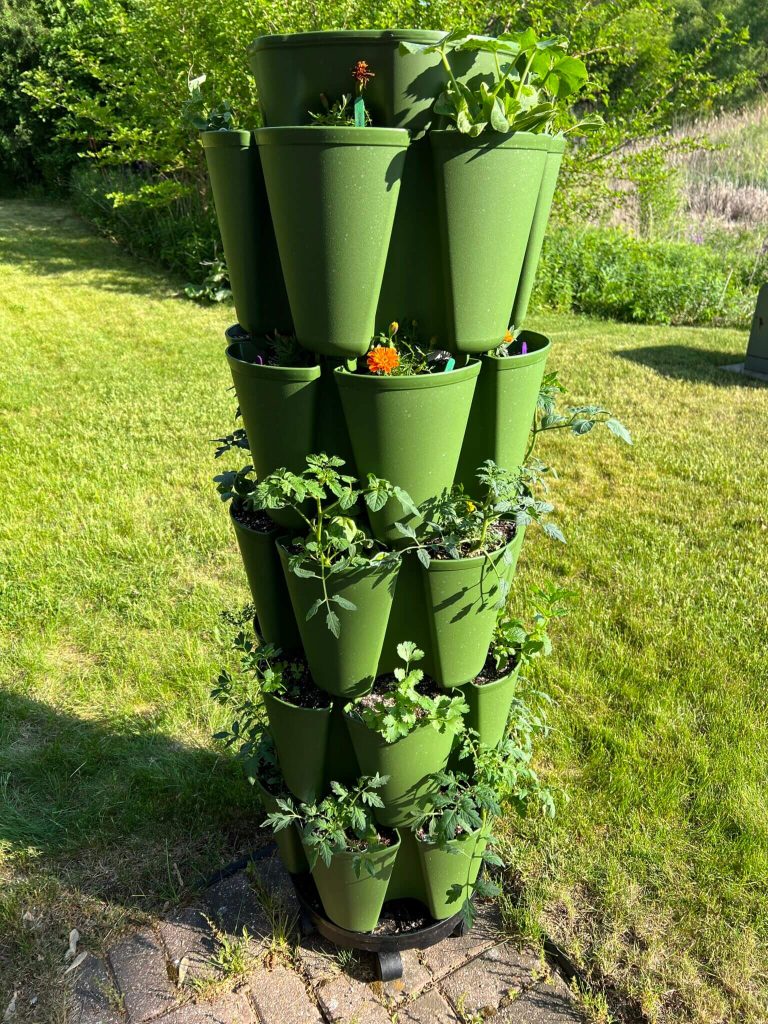
Containers suit patios, balconies, and renters. They are easy to move but dry out faster and need more fertilizer. Raised beds hold more soil and buffer temperature and moisture.
A 20-gallon fabric grow bag can grow a tomato well, but it may need daily water during a hot July. A 12-inch-deep raised bed usually changes temperature more slowly.
Raised beds versus grow bags
Grow bags cost less to start and store easily. Their fabric sides allow air movement, but they can dry fast and may not last as long in strong sun.
Grow bags work well for potatoes, tomatoes, peppers, and temporary gardens. Raised beds work better for permanent layouts, paths, trellises, and mixed crops.
| Growing method | Main advantage | Main limitation |
|---|---|---|
| Raised bed | Strong control over soil and access | Higher setup cost and regular soil upkeep |
| In-ground garden | Low cost and large root volume | Depends on native soil quality and drainage |
| Container | Works on patios and small spaces | Dries and warms quickly |
| Fabric grow bag | Portable and affordable | Needs frequent watering and replacement |
| Mounded bed without frame | Simple and low cost | Edges erode and need reshaping |
The best choice for a beginner is often the one that fits the site and daily routine. A small, well-watered grow bag can outperform a neglected raised bed.
How long raised garden beds last and what breaks first
The frame may last from a few years to several decades, while the soil changes every season. Lifespan depends on material, moisture, sun, pests, and construction.
Wood lifespan
Untreated pine often breaks down first at the soil line and inside corners. Cedar, redwood, and thick hardwood last longer. Paint or sealant may slow weathering, but coatings can peel and complicate future repairs.
Inspect the lower boards each spring. Push a screwdriver into suspicious areas. Soft wood, loose screws, bowed sides, and gaps are signs to repair the bed before adding more soil.
Metal lifespan
Metal beds can last a long time, especially when made from thick galvanized steel. Cut edges and fastener holes may rust first. Heat is the bigger issue in hot areas.
Mulch the soil, water deeply, and provide afternoon shade for heat-sensitive greens. Do not place a dark metal bed against a south-facing wall in a hot climate unless you plan for high soil temperatures.
Soil lifespan
Soil does not have one fixed lifespan. Mineral soil can remain useful for decades, while compost and fine organic matter break down within months or years.
Refresh the soil each season with a thin layer of finished compost. Replace soil only when it is contaminated, badly compacted, salt-damaged, or filled with persistent disease problems.
Seasonal care for raised beds
Raised beds extend the season, but they do not erase frost, heat, drought, or winter rain. Seasonal care helps the soil stay stable and keeps structures ready.

Spring
Test soil moisture before digging. Add compost, repair frames, clean irrigation lines, and install trellises. In Zones 3 through 6, use row cover for early lettuce, peas, and brassicas.
Do not plant warm-season crops just because the raised soil feels warm. Tomatoes, peppers, basil, cucumbers, and beans still need suitable air and soil temperatures.
Summer
Mulch, water deeply, and harvest often. Tie tomatoes before branches bend. Provide shade cloth for lettuce and spinach during extreme heat.
Watch for blossom-end rot on tomatoes and peppers. This problem often relates to uneven water uptake rather than a simple lack of calcium. Keep soil moisture steady before adding calcium products.
Fall
Remove diseased plant debris. Healthy roots can remain in the soil to feed organisms, but pull plants with severe disease or pest damage.
Plant garlic, spinach, kale, or cover crops suited to your zone. In colder zones, cover empty beds with leaves, straw, or compost to protect soil from erosion.
Winter
Do not leave tools, hoses, or filled watering systems exposed to freezing weather. Drain hoses and store irrigation parts where ice cannot split them.
A raised bed may freeze and thaw many times. This can heave boards, loosen screws, and shift soil. Inspect the bed after winter before planting.
| Season | Main jobs | Crops or protection |
|---|---|---|
| Spring | Test soil, add compost, repair frame, set irrigation | Peas, lettuce, spinach, radish |
| Summer | Mulch, deep water, tie plants, scout pests | Tomatoes, beans, peppers, cucumbers |
| Fall | Remove disease, plant garlic, protect soil | Kale, garlic, cover crops |
| Winter | Drain tools, inspect structure, limit foot traffic | Row cover, leaves, straw, dormant bed |
A covered bed can stay productive longer into fall, but winter protection must still allow air movement. Wet plastic resting on foliage often causes more harm than cold alone.
The mistakes I see most often
The most common mistake is filling a bed with cheap or unknown soil. A frame cannot rescue soil that contains herbicide residue, excess salts, weed seeds, or poor drainage.

Another mistake is making the bed too wide. New gardeners often want maximum planting space, then discover they cannot reach the middle without stepping on the soil. Keep access in mind before you build.
Many people also skip irrigation planning. Carrying a watering can may seem easy in spring, but it becomes tiring when tomatoes fruit during a hot week. A simple hose or drip line can make the difference between a thriving bed and stressed plants.
Overplanting causes weak airflow and disease. Follow mature plant spacing, even when the empty soil looks wasteful. You can fill gaps with quick crops such as radishes, baby lettuce, or green onions.
Do not mix wood chips into the root zone. Fresh wood can temporarily tie up nitrogen as it decomposes. Use aged fine bark in the mix and keep coarse chips on top as mulch.
Finally, do not assume raised beds are low maintenance. They reduce digging and improve access, but they still need water, feeding, pest checks, crop rotation, and frame repairs.
My practical raised bed setup
In my own garden, I prefer beds 4 feet wide, 8 feet long, and 12 inches deep. I can reach the middle from either side, and the size fits standard lumber and drip lines.
For vegetables, I use a mineral soil blend with finished compost rather than a compost-heavy mix. I leave about 1 inch below the rim, cover the surface with shredded leaves or clean straw, and rotate nightshades away from the same bed when possible.
I place tomatoes on the north side with sturdy cages. Lettuce and herbs go on the cooler edges. I grow basil near tomatoes because the plants share similar water and sun needs, though I do not claim that companion planting alone controls pests.
The unexpected issue was heat. My dark-sided bed warmed well in April, but lettuce bolted sooner in June. I solved part of that problem with afternoon shade cloth and by shifting lettuce to a bed beside taller crops.
After four weeks, the biggest gains came from better watering and fewer weeds. After two seasons, the soil had settled by about 2 inches, so I added a topsoil-and-compost blend. The frame remained strong, but one pine corner started to soften where water splashed against it.
Who should use a raised garden bed
Raised beds suit gardeners who have poor native soil, limited space, mobility concerns, or a strong need to control soil conditions. They also work well for school gardens, rental homes with permission, and gardeners who want a clean layout.
They are especially useful for:
- Heavy clay or compacted ground
- Rocky or shallow soil
- Gardens with poor drainage
- Small yards and urban spaces
- Gardeners who need less bending
- Intensive vegetable and herb production
- Sites where paths and irrigation need clear structure
A raised bed may not suit someone who wants the lowest-cost garden or who cannot provide regular water. It may also be a poor fit for a shady site, a contaminated property without a safe plan, or a gardener who wants large crops such as corn and pumpkins.
Frequently asked questions
Q: Do raised garden beds need a bottom?
A: Most raised beds do not need a bottom. An open bottom lets roots, water, and soil organisms connect with the ground. Add hardware cloth for burrowing pests or a tested barrier for contaminated soil. A solid bottom changes the bed into a large container and requires more careful drainage and watering.
Q: How deep should a raised bed be for vegetables?
A: Six inches can work for lettuce, radishes, and herbs. Twelve inches suits most vegetables. Tomatoes, carrots, parsnips, and other deep-rooted crops often perform better with 12 to 24 inches of soil, especially when native soil below is poor.
Q: Can I put a raised bed directly on grass?
A: Yes, but cut the grass short first and block it with overlapping cardboard or remove the sod. Fill the bed soon after laying cardboard. Watch for perennial weeds that can grow through gaps or spread from the edges.
Q: Should I line my raised garden bed with plastic?
A: Usually, no. Plastic can trap water and reduce drainage. It may make sense on an interior wall to protect wood or when converting a bed into a container, but do not seal the bottom unless the design includes reliable drainage holes.
Q: What is the best soil mix for raised beds?
A: A practical starting mix is about 60% quality topsoil, 30% finished compost, and 10% aged bark fines or another coarse organic material. Adjust the mix after checking drainage, climate, and a soil test. Avoid filling the entire bed with compost.
Q: How often should I water a raised garden bed?
A: Check the soil every few days and water when the top 1 to 2 inches becomes dry. Seedlings need more frequent, lighter care, while established tomatoes and peppers need deeper watering. Heat, wind, soil texture, crop size, and mulch change the schedule.
Q: Why is my raised bed soil shrinking?
A: Compost and other organic materials decompose, while air spaces collapse after watering. This is normal during the first season. Add a blend of topsoil and finished compost, not pure compost, and leave a small gap below the frame rim.
Q: Can I grow fruit trees in a raised bed?
A: Small berries and dwarf plants may work, but most fruit trees need more root space than a standard raised bed provides. Dwarf blueberries often do well in large acidic containers. Raspberries can spread beyond the bed and may need a separate patch.
Q: Are raised beds warmer than in-ground gardens?
A: They often warm earlier in spring because the soil sits above wet ground and receives sun on exposed sides. The effect is stronger in sunny sites and weaker in shade or wet weather. Dark metal beds can become too hot for cool-season greens in summer.
Q: How do I protect a raised bed from voles?
A: Install galvanized hardware cloth beneath the bed before filling it. Extend the mesh under the full footprint and secure overlaps. Keep grass and dense weeds trimmed around the outside, since cover can give voles a path to the bed.
Q: Can I use treated lumber for a raised vegetable bed?
A: Modern treated lumber is regulated for common outdoor use, but gardeners differ in comfort with it. Use known, current products from a reliable supplier and avoid old reclaimed wood with an unknown treatment history. Cedar, stone, metal, and recycled plastic offer alternatives.
Q: What breaks first in a raised garden bed?
A: In wood beds, the lower boards and corners usually fail first. In metal beds, cut edges, thin panels, and fasteners may show damage first. Soil settlement is common before structural failure. Inspect the frame each spring and repair small problems early.
Q: Can raised beds prevent plant disease?
A: They can reduce some problems by improving drainage, soil control, airflow, and crop rotation. They cannot prevent every disease. Use clean compost, remove badly diseased plants, avoid wet foliage, and choose resistant varieties when available.
Q: Are raised beds worth the money?
A: They are often worth the cost when native soil is poor, access is difficult, or you want a permanent, organized garden. They may not be worth it on clean, fertile, well-drained ground where an in-ground bed would grow the same crops for less money.
Final thoughts
Raised garden beds work by giving plants a better-managed root zone. The frame holds the soil, the soil supports roots, and your choices control water, nutrients, sunlight, and space.
Start with a modest bed in a sunny place. Use a balanced soil mix, plan the watering system, leave room to reach every plant, and inspect the frame each season. A raised bed is not a shortcut around gardening, but it is a strong way to make the basic parts of gardening easier to control.
Meta description: Learn how raised garden beds work, from soil and drainage to sizing, watering, crops, maintenance, lifespan, common problems, and practical setup tips.