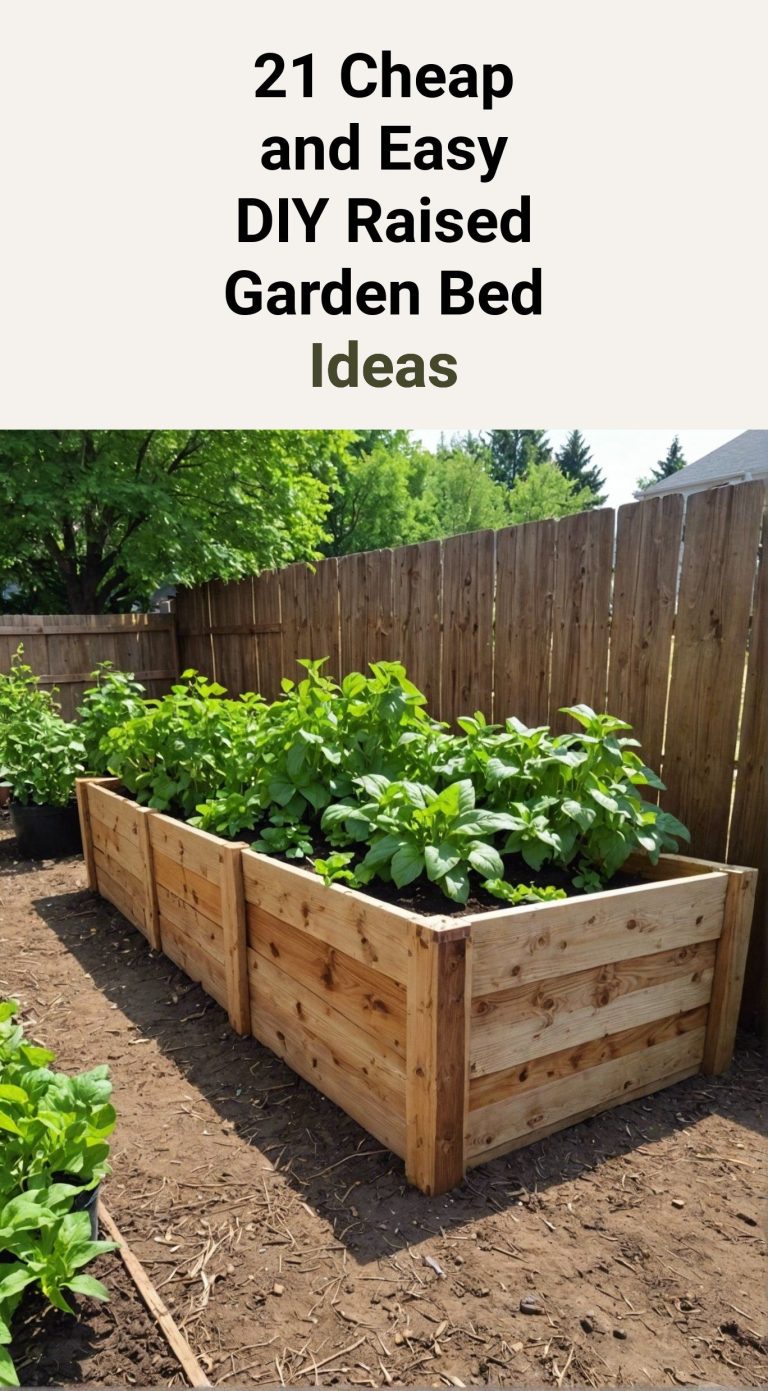
How Much Does A Raised Garden Bed Cost: 2026 Guide
A raised garden bed can cost as little as $30 for a small DIY frame or more than $1,500 for a large, durable system with soil, irrigation, fencing, and premium materials. Most home gardeners spend $150 to $600 for one well-built bed that is ready to plant. The final price depends on bed size, material, soil volume, location, labor, and extras such as trellises or covers.

Quick answer: How much does a raised garden bed cost?
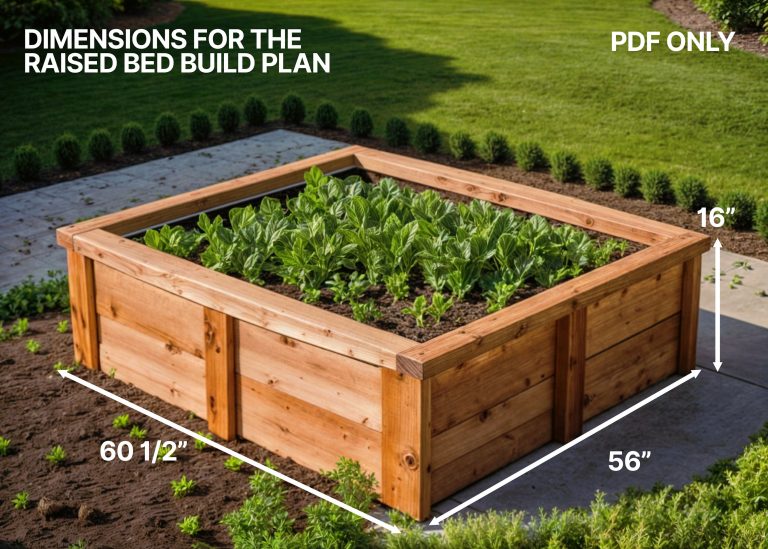
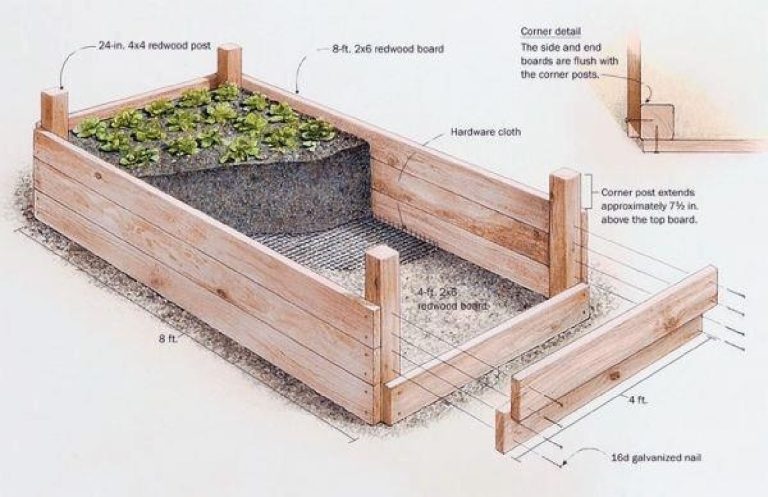
A typical 4-by-8-foot raised garden bed costs $150 to $500 when you include the frame, soil, compost, and basic hardware. A simple untreated-wood DIY bed may cost $75 to $200. Metal, cedar, stone, or professionally installed beds can cost $500 to $2,000 or more. Plan on $20 to $60 each year for soil top-ups, compost, mulch, and small repairs.
The frame is only part of the budget. Many first-time buyers focus on the wood or metal price, then feel surprised by the cost of filling the bed. A 4-by-8-foot bed that is 12 inches deep holds about 32 cubic feet of soil, or nearly 1.2 cubic yards.
In my experience, soil often costs as much as the frame. This is especially true when buying bagged soil at a garden center. Bulk soil costs less, but delivery fees can change the total.
| Raised bed setup | Typical total cost | Best fit |
|---|---|---|
| Small DIY wood bed | $30–$150 | Herbs, greens, patios, small yards |
| Standard 4-by-8-foot bed | $150–$500 | Most home vegetable gardens |
| Premium or installed bed | $500–$2,000+ | Long-term gardens, accessibility, design |
The most useful starting point is to price the full growing system, not just the box. Include soil, compost, fasteners, delivery, tools, and protection from pests.
What makes raised garden bed prices vary?
Raised garden bed costs vary because each garden has different needs. A shallow bed for lettuce takes far less material than a 24-inch bed for carrots. A cedar frame on level ground costs less than a stone bed built on a slope.

The main price factors are the frame material, bed size, height, soil mix, site work, and add-ons. Labor can also double the price when someone must remove turf, level the ground, haul soil, and build the bed.
Bed size and height
A larger bed needs more framing material and more soil. Height matters even more than many people expect. A 4-by-8-foot bed that is 6 inches deep holds 16 cubic feet of soil. A 24-inch bed holds 64 cubic feet.
A 6-inch bed works for lettuce, radishes, spinach, onions, and many herbs. Tomatoes, peppers, cucumbers, kale, and beans usually do better with 12 inches or more. Carrots, parsnips, and long-rooted crops need deeper soil or a shorter variety such as ‘Little Finger’ carrot.
Frame material
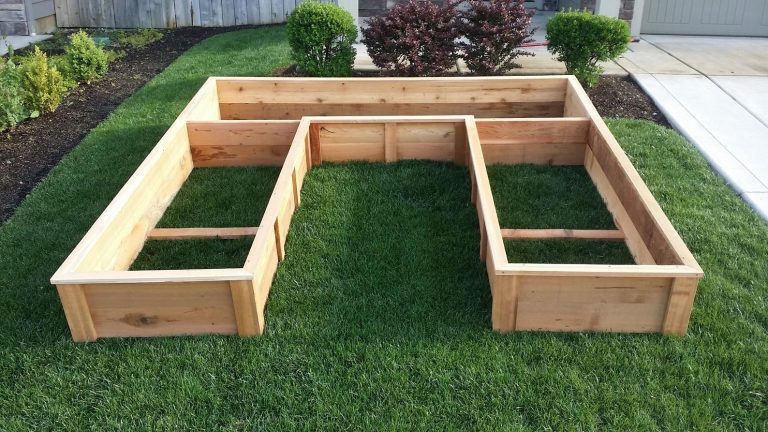
Untreated pine is often the least expensive choice. Cedar costs more but resists decay and usually lasts longer. Metal beds offer a clean look and fast assembly, while stone and brick provide a permanent structure but need more labor.
Wood thickness also changes the price. A 2-by-6 board is cheaper than a 2-by-12 board, but a tall bed may need thicker boards, corner posts, braces, or a second tier.
Soil and compost
soil volume is one of the largest cost drivers. You need enough growing media to fill the bed, but you do not need to fill every deep bed with expensive potting soil.
A good raised bed mix often includes screened topsoil, compost, and a material that improves drainage. In my own beds, I use a blend close to 60% quality topsoil, 30% finished compost, and 10% aeration material such as aged pine bark. The right mix varies with local soil and climate.
Ground preparation
A bed placed on a flat lawn may need only cardboard, a rake, and a shovel. A bed on compacted clay, gravel, or a slope may need excavation, leveling, landscape fabric in selected areas, or a retaining edge.
Do not place landscape fabric under a bed if you want earthworms and deep roots to move into the native soil. Fabric can help over invasive grass or a gravel patio, but it can also limit drainage and soil life.
Labor and delivery
A contractor or landscaper may charge $200 to $1,000 or more for delivery, site preparation, assembly, and planting. Rates vary by region and access. Carrying 1 cubic yard of soil through a narrow gate takes much longer than unloading it beside a driveway.
| Cost factor | Low-cost choice | Higher-cost choice |
|---|---|---|
| Frame | Untreated pine | Cedar, galvanized steel, stone |
| Soil | Bulk soil and homemade compost | Bagged organic soil and delivered compost |
| Site | Flat lawn or patio | Slope, clay, turf removal, drainage work |
| Labor | DIY assembly | Professional installation |
The cheapest frame is not always the cheapest bed. A low-cost box that rots in three years may cost more over time than a cedar or metal bed that lasts a decade or longer.
Raised garden bed cost by material
The frame material controls the look, lifespan, repair needs, and much of the initial price. No material suits every garden, so think about your climate, budget, mobility, and how long you expect to stay in the home.

Untreated pine
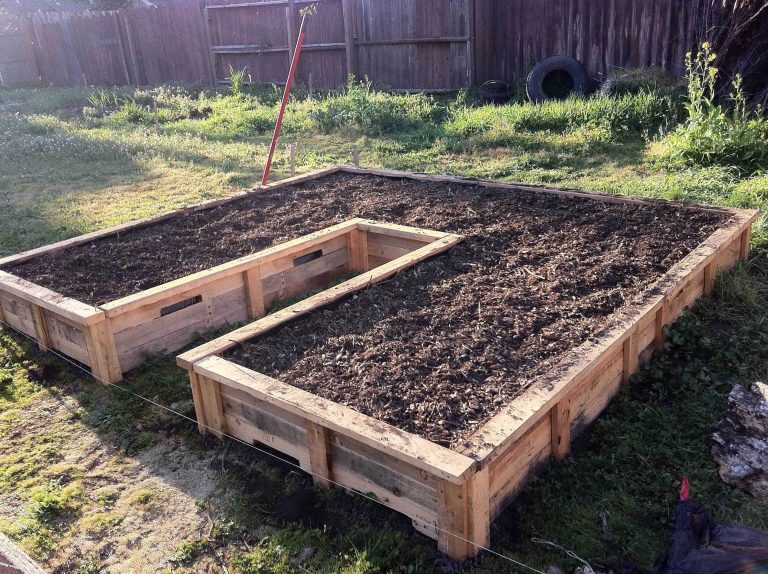
Untreated pine usually costs $30 to $120 for a small or standard bed frame. It is easy to cut and fasten, which makes it a good option for beginners.
The drawback is short life. In wet climates such as western Oregon or coastal North Carolina, pine can soften and rot within three to six years. In a dry area such as Colorado’s Front Range, it may last longer if the bed drains well.
Avoid painted, stained, or chemically treated scrap wood unless the product clearly states that it is safe for food gardens. Old railroad ties and unknown reclaimed lumber may contain creosote or other chemicals.
Cedar
Cedar usually costs $100 to $350 for a standard 4-by-8-foot bed. It naturally resists decay and insects, and it does not need a toxic preservative.
A cedar bed can last 8 to 15 years, sometimes longer, depending on board thickness, drainage, soil contact, and climate. Thin cedar boards may warp sooner than thick boards. I prefer 2-inch-thick cedar for beds that must remain firm for many seasons.
Redwood
Redwood has strong decay resistance and a warm color. It often costs more than cedar, especially outside the western United States.
It can last 10 to 20 years when built with thick boards and good drainage. Shipping and local supply have a major effect on the price, so redwood is not always a practical choice in the Midwest or Northeast.
Galvanized steel
Metal raised beds cost about $80 to $400 for common home sizes. Taller, thicker, or modular systems can cost $500 to $1,500.
Galvanized steel does not rot, and many models assemble without power tools. It works well in wet regions and for gardeners who want clean edges. Thin panels may bend if filled carelessly, and dark metal can heat soil in hot climates such as Arizona or southern Texas.
Composite boards
Composite beds often cost $150 to $600. They resist rot and require little maintenance, but they can feel less natural and may expand or contract with temperature changes.
Choose products made for outdoor garden use. Some composite materials contain recycled plastic and wood fibers. They are not always easy to cut, and damaged boards can be costly to replace.
Brick, stone, and concrete
Masonry beds often start around $500 and can exceed $2,000. They look permanent and work well with formal landscapes, but they need a stable base and careful construction.
Stone walls may hold heat, which can help early crops in cool climates. In hot climates, dark stone can increase root-zone temperature. The bed may also be difficult to move if you redesign the yard later.
| Material | Typical frame cost | Expected service life |
|---|---|---|
| Untreated pine | $30–$150 | 3–8 years |
| Cedar | $100–$400 | 8–15 years |
| Galvanized steel | $80–$500 | 10–30 years |
| Composite | $150–$600 | 10–25 years |
| Stone or brick | $500–$2,000+ | 25+ years |
These ranges describe common residential projects, not fixed retail prices. Local lumber supply, seasonal sales, freight, and labor can shift the numbers.
How much does it cost to fill a raised garden bed?
Filling a raised garden bed usually costs $50 to $300 for a standard 4-by-8-foot bed. A shallow bed filled with bulk soil may cost less than $75. A tall bed filled with bagged organic soil can exceed $400.

To estimate soil, multiply length by width by depth in feet. For example:
4 feet × 8 feet × 1 foot = 32 cubic feet
Divide cubic feet by 27 to convert to cubic yards. Thirty-two cubic feet equals about 1.19 cubic yards.
Soil cost by source
Bagged soil is easy to handle but expensive for large beds. A 1.5-cubic-foot bag may cost $5 to $12. You would need about 22 bags for 32 cubic feet, before allowing for settling.
Bulk soil often costs $35 to $80 per cubic yard, but delivery may add $50 to $150. Compost may cost more than topsoil, especially if it is screened, certified, or made from local plant material.
Do not fill a raised bed with pure compost. Compost shrinks as it breaks down and may hold too much water or release too many nutrients. Blend it with soil or a suitable growing medium.
Using the “Mel’s Mix” approach
Many gardeners use a blend based on equal parts compost, peat moss or coconut coir, and vermiculite. It drains well and feels light, but it can be expensive in a large bed.
Peat moss also has environmental concerns, and vermiculite costs more than bark fines or coarse compost. Coconut coir is useful in dry regions, but it must be fully hydrated before mixing.
Saving money on soil
You can reduce the cost of a deep bed with the “hugelkultur” method. Place untreated logs, branches, and coarse organic matter in the lower section, then add soil above. This works best in deep beds with good drainage.
Do not use fresh wood in a shallow bed. It can tie up nitrogen as it decomposes. Avoid black walnut, diseased wood, treated lumber, and wood that may have been sprayed with chemicals.
| Bed size and depth | Soil needed | Approximate soil cost |
|---|---|---|
| 2 × 4 feet × 8 inches | 5.3 cubic feet | $25–$80 |
| 4 × 8 feet × 6 inches | 16 cubic feet | $60–$180 |
| 4 × 8 feet × 12 inches | 32 cubic feet | $100–$350 |
| 4 × 8 feet × 24 inches | 64 cubic feet | $200–$700 |
The bed size determines the soil budget more than the frame does. If your budget is tight, build a smaller bed first rather than using poor soil in a large one.
💡 Pro Tip: Ask local landscape suppliers for a “raised bed blend” or “garden soil blend,” then request the ingredient list. A cheap mix full of sand or woody debris may settle badly after one season.
Cost of common raised garden bed extras
Extras can improve yield, access, pest control, and watering. They can also turn a $200 project into a $700 project, so add them only when they solve a real problem.

A bed in a deer-heavy area may need a fence before it needs premium lumber. A bed on a sunny patio may need a drip line and shade cloth. The right accessory depends on the site.
Irrigation
A basic soaker hose costs $15 to $40. A drip irrigation kit for one or two beds costs $30 to $100. A full system with a filter, pressure regulator, timer, mainline, and multiple zones may cost $150 to $500.
Drip irrigation saves water when installed correctly. Use a filter if your water contains sediment, and flush the lines at the start of the season. Emitters can clog, especially with well water.
Trellises
A simple tomato cage or wire panel costs $10 to $60. A strong trellis for cucumbers, peas, pole beans, or small melons may cost $50 to $200.
Place the trellis on the north side of the bed when possible. This reduces shade on shorter crops. A weak trellis is a false economy; a full crop of pole beans can pull down light hardware.
Pest covers and fencing
Bird netting may cost $10 to $40. Insect mesh costs $20 to $80 per bed. Deer fencing can cost $100 to $500 or more, based on height and the size of the garden.
Use insect mesh over brassicas such as kale, cabbage, and broccoli to reduce cabbage moth damage. Use a sturdier cover for rabbits and groundhogs. Netting must be secured at ground level, or pests will crawl under it.
Cold frames and season extenders
A low tunnel may cost $30 to $150. A small cold frame costs $80 to $300. A heated greenhouse-style bed cover can cost much more.
In USDA Zones 5 and 6, a low tunnel can protect spinach, lettuce, and Asian greens in fall and early spring. In Zones 8 through 10, shade cloth may matter more than frost protection.
| Add-on | Typical cost | Main purpose |
|---|---|---|
| Soaker hose or drip kit | $15–$100 | More even watering |
| Timer and filter | $30–$150 | Automatic irrigation |
| Trellis | $10–$200 | Vertical crops |
| Insect mesh | $20–$80 | Cabbage moths and beetles |
| Deer or rabbit fence | $100–$500+ | Animal control |
| Low tunnel | $30–$150 | Frost and season extension |
Start with the problem that costs you the most crops. If slugs destroy lettuce, a trellis will not help. If the soil dries each day, irrigation may give a better return than decorative edging.
DIY raised garden bed cost versus professional installation
A DIY raised bed usually costs 30% to 60% less than a professionally installed bed. The savings come from your labor, but the work still includes measuring, cutting, leveling, hauling soil, and cleanup.

For a standard 4-by-8-foot bed, a capable homeowner may spend $100 to $400 on materials and one weekend on the project. A professional installation may cost $400 to $1,200 for the same bed, depending on access and site preparation.
What DIY work includes
A basic DIY project may need:
- Measuring tape and level
- Drill and exterior screws
- Saw or pre-cut boards
- Shovel and rake
- Wheelbarrow or garden cart
- Cardboard or newspaper
- Soil and compost
- Gloves and safety glasses
If you already own the tools, the cash cost stays low. If you buy a circular saw, drill, wheelbarrow, and level just for one bed, the first project can cost more than expected.
When professional help makes sense
Professional installation can make sense when the site slopes, drainage is poor, access is tight, or the bed must meet accessibility needs. A tall bed for a wheelchair user may need a stable foundation, correct height, broad paths, and safe edges.
Hire help for retaining walls or masonry. A failed stone wall can injure someone and damage the garden. Raised beds should not redirect water toward a home’s foundation.
Labor and delivery estimate
Labor prices vary widely by state and city. Urban areas often charge more, while rural areas may offer lower rates but higher delivery fees.
| Project type | DIY cost | Installed cost |
|---|---|---|
| Small 2 × 4-foot bed | $50–$180 | $200–$500 |
| Standard 4 × 8-foot bed | $100–$500 | $400–$1,200 |
| Two beds with irrigation | $300–$900 | $900–$2,500+ |
DIY is not automatically better. Choose it when you enjoy the work and can build a stable, safe structure. Pay for help when site work, lifting, mobility, or structural risk makes the job unsafe.
⚠️ Warning: Do not build a raised bed against a house wall unless you can protect the wall from moisture and allow inspection. Soil held against siding or masonry can cause rot, stains, and pest problems.
Is a raised garden bed worth the money?
A raised garden bed is worth the money when it solves a clear problem, such as poor soil, limited space, flooding, compacted clay, or painful bending. It may not be worth it when your native soil drains well and you can grow the same crops in a ground-level garden.

Raised beds warm faster in spring and drain better than heavy clay. They also give you control over soil pH, texture, compost, and fertility. The trade-off is cost, watering needs, and regular soil maintenance.
Benefits that save money
A productive bed can reduce grocery purchases of herbs, lettuce, tomatoes, peppers, and fresh greens. It can also reduce wasted seed and fertilizer because you place resources in a defined area.
Raised beds are easier to cover with insect mesh. They also make crop rotation and companion planting simple. I can move basil near tomatoes, plant carrots after lettuce, and reserve one bed for perennial herbs such as chives and thyme.
Costs that appear later
Raised beds dry faster than ground soil, especially in full sun and windy areas. A bed in Zone 7 on a south-facing wall may need water every day during a July heat wave.
Soil settles. Compost breaks down. Wood decays. Drip emitters clog. These are normal costs, not signs that the bed failed.
| Advantages | Drawbacks |
|---|---|
| Better control over soil | Higher setup cost |
| Easier access and less bending | Soil dries faster |
| Warms early in spring | Needs regular soil top-ups |
| Works over poor native soil | Frame can rot or warp |
| Easy to cover from pests | May need irrigation |
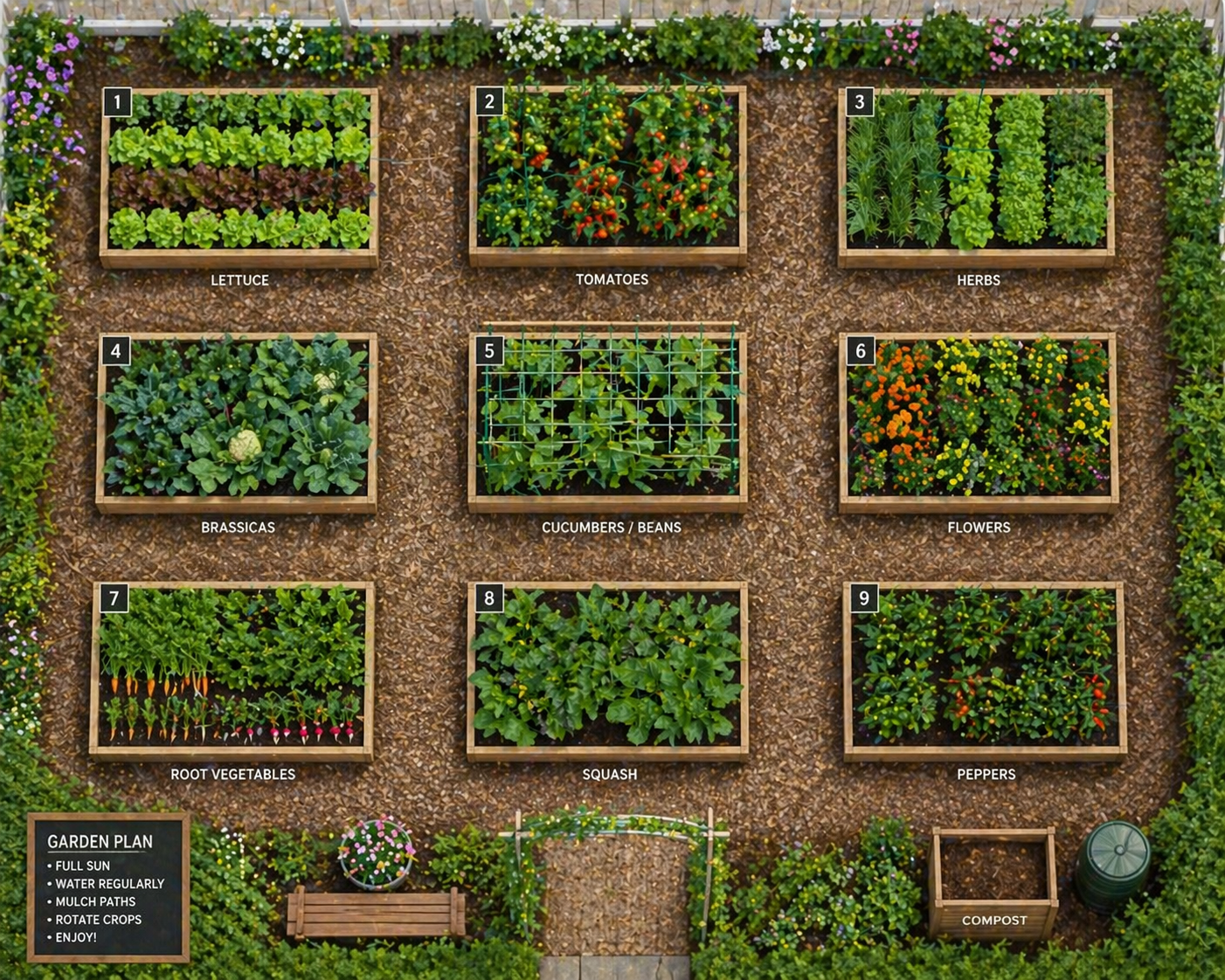
A raised bed works best as part of a garden plan. It should fit your sun, water source, walking paths, crop choices, and maintenance time.
How long does a raised garden bed last?
A raised garden bed can last three to eight years with untreated pine, eight to 15 years with cedar, and 10 to 30 years with galvanized steel or composite materials. Stone and brick beds can last for decades when built on a stable base.

Lifespan depends on moisture, board thickness, soil contact, drainage, and climate. A cedar bed in dry Utah may last longer than one in a wet Pacific Northwest garden. A metal bed can outlast wood but may develop dents, sharp edges, or corrosion around cut points.
What usually breaks first?
The bottom boards and corner joints usually fail first. Soil pressure pushes outward, and repeated wetting and drying can warp boards. Screws may loosen as wood moves.
Thin metal panels may bow. Plastic connectors may crack in direct sun. Trellis attachments may pull out when loaded with mature cucumbers or beans.
Maintenance that extends bed life
Keep soil from spilling over the top edge. Wet soil against wood speeds decay. Tighten loose screws, replace damaged braces, and keep weeds from growing between the bed and surrounding soil.
Do not seal food-garden wood with unknown products. If you use a finish, choose one labeled for exterior use and follow the manufacturer’s food-contact guidance. Many gardeners leave cedar unfinished.
| Maintenance task | How often | Why it helps |
|---|---|---|
| Check joints and corners | Each spring | Finds movement early |
| Inspect wood for soft spots | Twice per season | Prevents sudden wall failure |
| Add compost or soil | Each fall or spring | Replaces settling |
| Flush drip lines | Monthly in use | Reduces clogging |
| Clean covers and trellises | End of season | Limits pests and disease |
Good drainage is the strongest defense against rot. Do not create a sealed box that holds water like a bathtub.
Raised bed cost by garden size
The size of the garden should match your time, water supply, and crop list. A small bed can produce a surprising amount of food when planted closely, while a large garden can become expensive and tiring.

A 2-by-4-foot bed suits herbs, salad greens, and a few compact crops. A 4-by-8-foot bed gives enough space for tomatoes, peppers, beans, greens, roots, and flowers for pollinators.
Small starter garden
Expect to spend $75 to $250 for one small bed with soil. This is a good starting point for a beginner, renter, or gardener with limited sun.
Grow crops with a fast return: leaf lettuce, arugula, radishes, bush beans, basil, parsley, and Swiss chard. Avoid planting too many large zucchini or indeterminate tomatoes in a small box.
Medium family garden
A two-bed setup may cost $300 to $900. This gives you room to separate crops and rotate plant families.
One bed can hold Solanaceae crops such as tomatoes, peppers, and eggplants. The other can hold beans, carrots, onions, lettuce, and brassicas. Rotate plant families each season when space allows.
Large food garden
Four or more beds may cost $1,000 to $4,000 after soil, irrigation, fencing, paths, and support structures. The frame is only one part of the cost.
Large gardens need a water plan. Carrying watering cans across a 30-by-30-foot garden becomes a daily chore. Install a mainline and drip zones before the beds fill with plants.
| Garden scale | Typical setup cost | Crops that fit |
|---|---|---|
| One small bed | $75–$250 | Herbs, greens, radishes |
| One 4 × 8-foot bed | $150–$500 | Mixed vegetables |
| Two to four beds | $300–$1,500 | Family food garden |
| Full raised-bed system | $1,000–$4,000+ | Crops, flowers, fencing, irrigation |
Build one bed, grow through one season, and then expand. This reveals how much water, compost, support, and pest control your site really needs.
Choosing the right depth for your crops
The best raised bed depth depends on the crop root system and the soil beneath the bed. Most vegetables grow well in 8 to 12 inches of quality soil, but root crops and accessibility gardens need more.

A bed does not need to be 24 inches deep just because it is raised. Deep beds cost more to fill and may dry at the edges. Use extra height for access, poor drainage, or deep-rooted crops.
Shallow-rooted crops
Lettuce, spinach, arugula, radishes, onions, strawberries, and many herbs can grow in 6 to 8 inches of soil. These crops make a low-cost bed more productive.
Medium-rooted crops
Peppers, bush beans, cucumbers, kale, broccoli, and determinate tomatoes do well with 10 to 12 inches. Support heavy plants before they become large.
Deep-rooted crops
Carrots, parsnips, asparagus, artichokes, and large indeterminate tomatoes need 18 to 24 inches of loose soil. Compact carrot types reduce the depth needed.
| Crop group | Suggested soil depth | Notes |
|---|---|---|
| Lettuce, herbs, radishes | 6–8 inches | Good for low beds |
| Beans, peppers, kale | 10–12 inches | Add support as needed |
| Tomatoes, carrots, parsnips | 18–24 inches | Loose soil matters most |
Deep soil cannot fix poor drainage. If water stays in the bed after rain, improve the mix and site before adding more height.
How to budget for soil, fertilizer, and yearly care
Plan for $20 to $60 per year for routine care of one standard raised bed. This may include compost, mulch, organic fertilizer, replacement irrigation parts, seeds, and occasional soil.

A productive bed does not need constant feeding. Start with a soil test, then apply nutrients based on results. A common vegetable fertilizer may use an NPK ratio such as 5-5-5, but the correct choice depends on soil fertility and crop needs.
Soil testing
A basic soil test often costs $15 to $40. Test pH, phosphorus, potassium, and organic matter when possible. Most vegetables prefer a pH between 6.0 and 7.0, although blueberries need a much more acidic soil.
Avoid adding lime without a test. Too much lime can raise pH and reduce access to iron and other nutrients.
Compost and mulch
Add 1 to 2 inches of finished compost each year. Mix it lightly into the top few inches rather than digging deeply around established roots.
Use shredded leaves, straw, or clean grass clippings as mulch. Keep mulch a few inches away from tomato stems to reduce disease and rodent cover.
Fertilizer
Apply fertilizer according to the label and crop needs. Overfertilizing can cause lush leaves but few tomatoes, weak stems, salt buildup, and nutrient runoff.
Legumes such as peas and beans often need less nitrogen than leafy greens. Tomatoes need steady nutrition, but excess nitrogen can delay flowering.
| Annual item | Typical cost per bed | Use |
|---|---|---|
| Compost | $10–$40 | Adds organic matter |
| Mulch | $5–$30 | Holds moisture and limits weeds |
| Fertilizer | $5–$25 | Replaces key nutrients |
| Soil test | $15–$40 | Guides amendments |
| Seeds and starts | $20–$100 | Seasonal planting |
The lowest-cost garden is not the one that skips soil care. It is the one that uses testing, compost, and mulch to prevent repeated problems.
Raised beds versus containers and in-ground gardens
Raised beds are one option among several. Containers cost less to start but hold less soil. In-ground gardens cost less per square foot but may need more work to improve soil and control weeds.
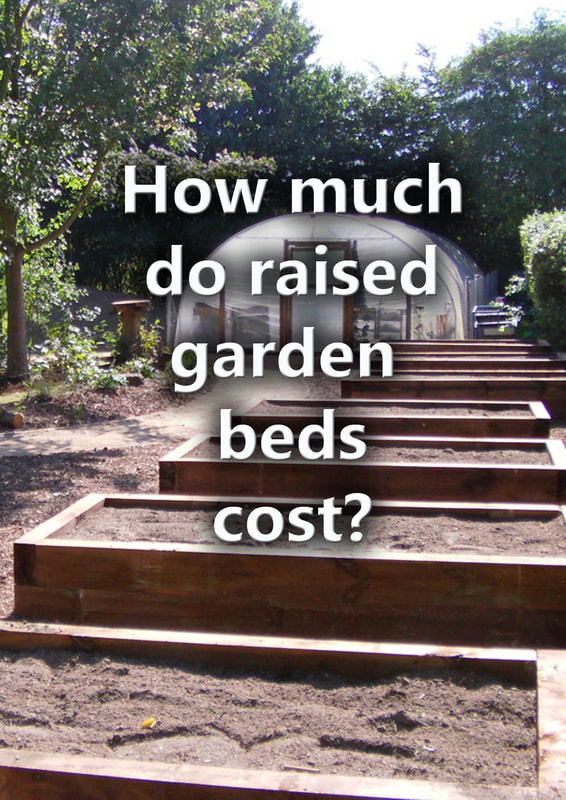
The best choice depends on your site. A renter may prefer fabric grow bags. A gardener with heavy clay may choose raised beds. A homeowner with deep, fertile loam may get better value from an in-ground garden.
| Method | Starting cost | Main strength |
|---|---|---|
| Raised bed | $150–$500 typical | Control and access |
| Large container or grow bags | $20–$150 | Flexibility and portability |
| In-ground garden | $50–$300 | Low cost per square foot |
| Patio planter system | $50–$400 | Works in small spaces |
Raised beds versus grow bags
Grow bags are cheap and easy to move. They work well for potatoes, tomatoes, peppers, and herbs. Their dark fabric can dry fast, so they need close watering in summer.
Raised beds versus in-ground soil
In-ground beds are cheaper when native soil drains well and has a good structure. They can be harder to weed and amend, especially in compacted clay or rocky ground.
Raised beds versus large containers
Containers give excellent control but need frequent watering and fresh growing media. A large planter can cost as much as a raised bed while holding less soil.
Choose raised beds for long-term structure and easy organization. Choose containers for portability. Choose in-ground planting when your soil and drainage already work well.
Common raised garden bed mistakes that increase cost
Many raised bed problems begin before planting. A poor site, weak frame, or wrong soil mix can create costs that are easy to prevent.

Building in too little sun
Most fruiting vegetables need at least six to eight hours of direct sun. Tomatoes, peppers, cucumbers, squash, and beans struggle in deep shade.
Leafy greens tolerate less sun, especially in warm climates. Watch the site for a full day before building.
Using contaminated wood
Do not use old railroad ties, utility poles, painted boards, or unknown pressure-treated lumber. The low purchase price does not justify the food-safety concern.
Buy new lumber from a known source. Keep receipts and product labels when possible.
Filling the bed with poor soil
Cheap fill dirt may contain weed seeds, clay clods, construction debris, or herbicide residues. Screened topsoil and finished compost cost more but save time.
Do not use fresh manure. It can burn roots and carry pathogens. Compost manure fully before adding it to a vegetable bed.
Making beds too wide
A bed wider than 4 feet is hard to reach from both sides. Stepping into the bed compacts soil and damages roots.
For one-sided access, keep the bed about 2 feet wide. For access from both sides, 4 feet is usually the practical limit.
Forgetting paths
Paths affect the real garden cost. Wood chips are cheap. Gravel, pavers, and concrete cost more but may improve access for carts and wheelchairs.
Ignoring animals
If deer, rabbits, voles, or raccoons live nearby, plan protection from the start. Rebuilding a fence after plants mature is harder than installing it first.
🌱 Beginner Note: Start with one 2-by-4-foot or 4-by-4-foot bed. You will learn your sun, soil, pest pressure, and watering needs before spending on a large system.
A practical raised garden bed budget
A realistic budget starts with the bed, then adds soil and the features that match your conditions. Here is how I would plan a standard 4-by-8-foot bed for a typical suburban yard.
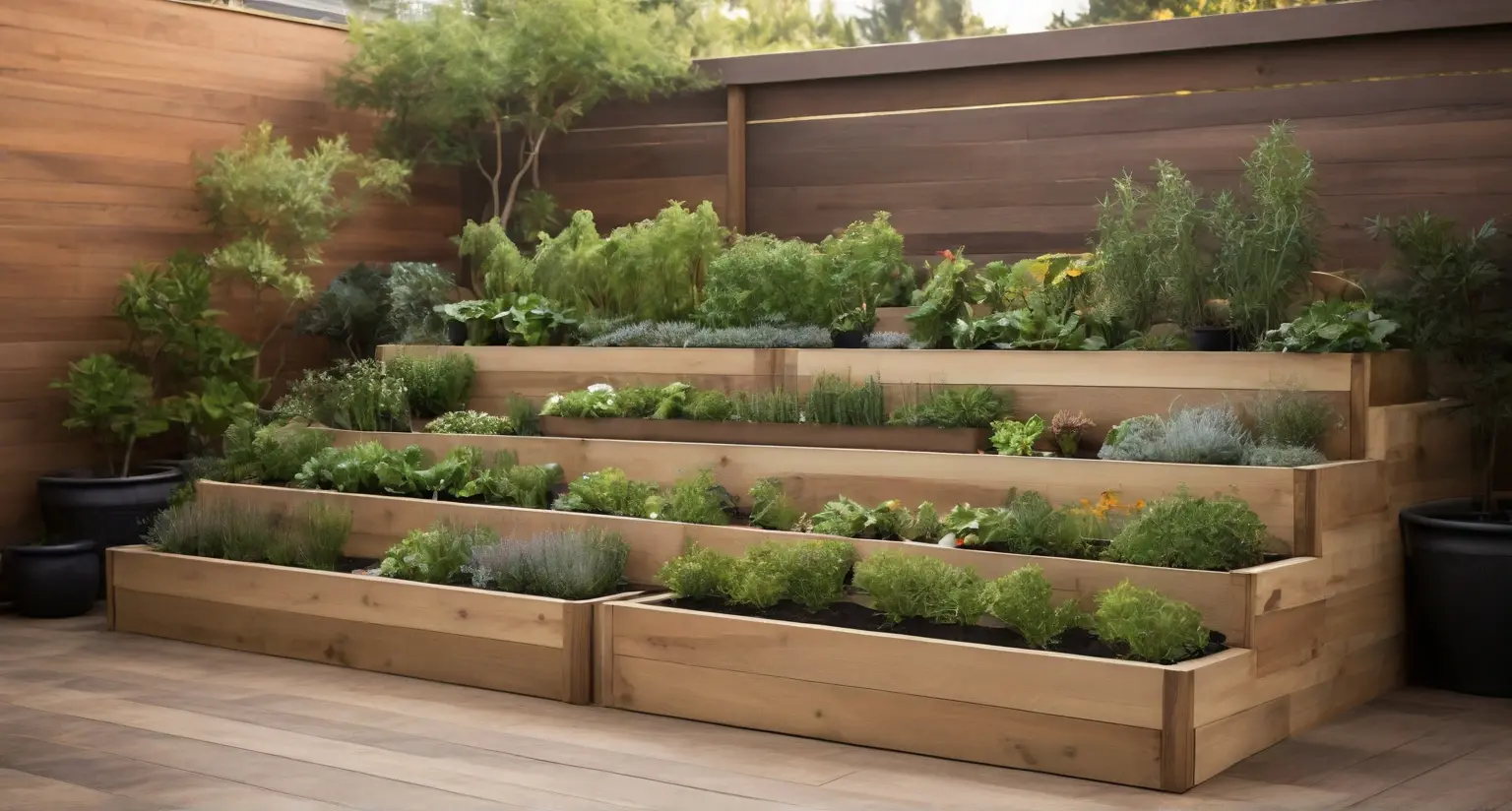
For a modest setup, use cedar or thick untreated pine, bulk soil, compost, and a basic hose. Add irrigation only if hand watering becomes a burden. Add fencing if animals already visit the yard.
Basic DIY budget
A basic DIY bed may include:
- Frame: $75–$180
- Soil: $60–$180
- Compost: $20–$50
- Screws and corner braces: $15–$40
- Seeds or plants: $20–$75
- Mulch: $10–$30
Total: about $200 to $550.
You can lower this cost by using a smaller bed, buying bulk soil, making compost, and starting plants from seed.
Premium DIY budget
A premium DIY system may include cedar or steel, high-quality soil, drip irrigation, a trellis, insect mesh, and a small fence.
Total: about $600 to $1,500 for one or two beds.
This setup makes sense when you want a long-term garden and have already tested the site for sun and drainage.
Installed garden budget
A professionally installed garden with site preparation, delivery, framing, soil, irrigation, and protection may cost $1,000 to $4,000 or more.
The price becomes reasonable when the project includes several beds, difficult access, a slope, accessible height, or permanent paths.
| Budget level | What it includes | Expected result |
|---|---|---|
| $100–$250 | Small frame, soil, simple planting | Low-risk starter garden |
| $250–$600 | Standard bed, quality soil, compost | Productive home bed |
| $600–$1,500 | Durable frame, irrigation, trellis, cover | Long-term managed bed |
| $1,500+ | Multiple beds, labor, paths, fencing | Full garden system |
Prices change by location and season. Use this table as a planning range, then check local lumber, soil, delivery, and labor costs.
My experience with raised bed costs
I have found that the most expensive mistake is building too much garden before learning the site. In one warm Zone 8 garden, a large south-facing bed needed more water than expected, and the first summer required daily checks.
The soil mix also settled more than planned after the first winter. I had used too much compost and not enough mineral soil. Adding screened topsoil and leaf mold fixed the texture, but it added another delivery cost.
In a cooler Zone 5 garden, raised beds warmed early and made spring greens easy to grow. Spinach and lettuce started sooner than in the surrounding ground. The same beds needed thick mulch and a low tunnel in late fall.
One unexpected issue was trellis strength. A lightweight wire panel held peas but bent under mature cucumber vines. I replaced it with a cattle panel fixed to steel posts. It cost more, but it has lasted several seasons and now supports beans, cucumbers, and small melons.
The lesson is simple: spend first on structure, soil, and water. Decorative caps and painted finishes can wait.
How to lower the cost without reducing garden quality
You can reduce raised garden bed costs by shrinking the footprint, buying bulk materials, and matching depth to the crops. Do not cut costs by using unsafe wood or contaminated soil.
Use one standard width so boards and covers fit several beds. Choose common lumber sizes. Design paths before ordering soil. Buy compost in fall when local suppliers may offer better availability.
Other useful savings include:
- Start plants from seed for lettuce, beans, basil, and flowers.
- Use homemade leaf compost when it is fully decomposed.
- Build a low bed instead of a tall bed when bending is not a problem.
- Use wood chips for paths instead of pavers.
- Install drip irrigation on a timer rather than buying many individual planters.
- Add fencing only where animals are present.
- Use a shared trellis between two beds.
🔧 Quick Fix: If a full bed is too expensive, build the frame now and fill only part of it. Cover the empty section with cardboard and mulch, then add soil as your budget allows.
When a raised bed is not the right choice
A raised bed may not suit you if you have limited water, little sun, poor access, or no time for regular care. Beds can dry quickly, and plants still need attention even when the frame looks tidy.
Avoid a raised bed in deep shade. Avoid a deep bed on a site that floods unless you first solve drainage. Do not place one where a hose cannot reach.
An in-ground garden may be better for sprawling crops such as pumpkins, winter squash, and large melons. A container may be better for a renter who expects to move. A community garden may offer more growing space for less money.
Raised beds also do not remove every pest. Slugs, aphids, flea beetles, tomato hornworms, powdery mildew, and blight can still affect plants. Good spacing, crop rotation, sanitation, and insect covers remain important.
FAQs about raised garden bed costs
Q: What is the cheapest way to build a raised garden bed?
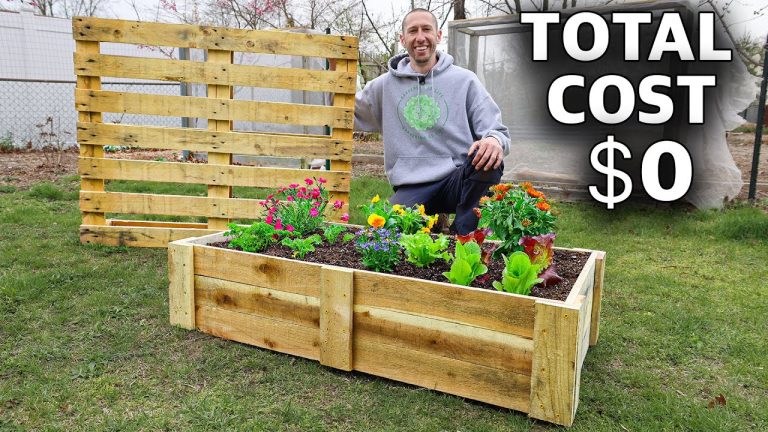
A: Use untreated pine or reclaimed lumber with a known safe history, build a small frame, and buy bulk soil. A 2-by-4-foot bed may cost $50 to $150 before plants. Avoid unknown painted wood, railroad ties, and contaminated fill dirt.
Q: How much does a 4-by-8-foot raised garden bed cost?
A: Most 4-by-8-foot beds cost $150 to $500 when you include the frame, soil, compost, and basic hardware. Premium cedar, steel, irrigation, fencing, and labor can raise the total to $1,000 or more.
Q: Is it cheaper to fill a raised bed with bags or bulk soil?
A: Bulk soil is usually cheaper for beds larger than about 16 cubic feet. Bagged soil is easier to move and blend in small spaces but may cost two to four times more for the same volume.
Q: How deep should a raised bed be for tomatoes?
A: Use at least 12 inches of quality soil for tomatoes, with 18 inches preferred for strong root growth. Large indeterminate varieties such as ‘Cherokee Purple’ or ‘Brandywine’ also need sturdy stakes or cages.
Q: Do raised garden beds need a bottom?
A: No. A bottom is not needed when the bed sits on healthy soil with good drainage. Use a bottom only for a bed on concrete, a balcony, or a site with invasive roots, and make sure water can escape.
Q: How often do raised beds need new soil?
A: Add 1 to 2 inches of compost or a soil-compost blend each year. You usually do not need to remove all the soil. Replace soil only when it is contaminated, badly compacted, diseased, or depleted.
Q: Are metal raised beds safe for vegetables?
A: Quality galvanized steel beds are widely used for vegetable growing. Check the product details, avoid sharp exposed edges, and use caution in hot climates because dark metal can heat the soil. Keep the bed well watered.
Q: Can I put a raised bed over grass?
A: Yes. Mow the grass short, cover it with overlapping cardboard, and add soil. Remove persistent weeds such as Bermuda grass or bindweed when possible. Some grasses may grow through gaps at the edges.
Q: What is the best soil mix for raised beds?
A: Use quality topsoil, finished compost, and a material that supports drainage. A practical starting blend is about 60% topsoil, 30% compost, and 10% aged bark or another suitable aeration material. Adjust after observing drainage and settling.
Q: How much does it cost to maintain a raised garden bed?
A: Expect about $20 to $60 per year for one standard bed. Costs include compost, mulch, fertilizer, seeds, irrigation repairs, and occasional replacement boards. Pest fencing or new soil can raise that amount.
Q: Can raised beds save money on vegetables?
A: They can, especially for herbs, salad greens, tomatoes, peppers, and crops you eat often. Savings depend on crop yield, plant losses, water cost, and how much you spend on the structure. A raised bed is not an instant grocery bill replacement.
Q: Do raised garden beds need fertilizer?
A: Often, yes, but the amount depends on the soil mix and crop. Test the soil before adding lime or heavy fertilizer. Excess nitrogen can produce large leaves and few flowers or fruits.
Q: What is the best time to build a raised bed?
A: Build it before your local planting season begins, while the ground is workable. In cold Zones 3 through 6, late fall or early spring works well. In warm Zones 8 through 10, avoid major soil work during extreme summer heat.
Final advice on raised garden bed cost
For most gardeners, a realistic starting budget is $200 to $500 for one useful raised bed. Spend on safe materials, good soil, drainage, and a practical water plan. Choose cedar or galvanized steel when you want a longer lifespan, and choose pine when you want to test the idea at low cost.
The best raised bed is not the largest or most expensive one. It is the bed that fits your sun, water, crops, body, and available time. Build one carefully, grow through a full season, and expand only after you know what your garden truly needs.
Meta description: Find out how much a raised garden bed costs, including frame materials, soil, labor, irrigation, fencing, maintenance, DIY budgets, and ways to save money.