How To Build A Raised Garden Bed With A Fence: DIY
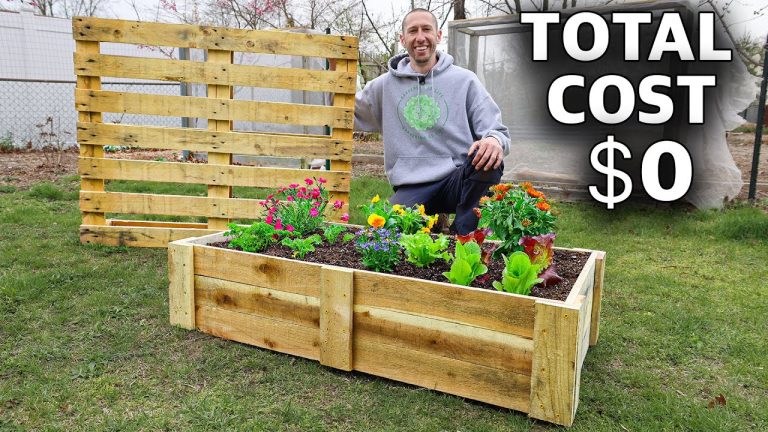
A raised garden bed with a fence gives you a clean place to grow food, flowers, and herbs while keeping out many common pests. It also helps when your native soil is poor, wet, compacted, or full of roots. With the right design, the fence can support climbing plants, block rabbits and deer, and make the bed safer for pets and children.
I have built raised beds in clay soil in the Midwest, sandy soil in the South, and short-season gardens in USDA Zone 5. The same lesson came up each time: good planning matters more than fancy materials. A level base, strong corner posts, safe wood, rich soil, and a gate that closes well will save you hours later.
This guide explains how to build a raised garden bed with a fence from start to finish. You will learn how to choose the size, set the posts, build the bed, add wire or deer netting, fill the soil, and keep the structure sound for many growing seasons.
Quick answer: how to build a raised garden bed with a fence
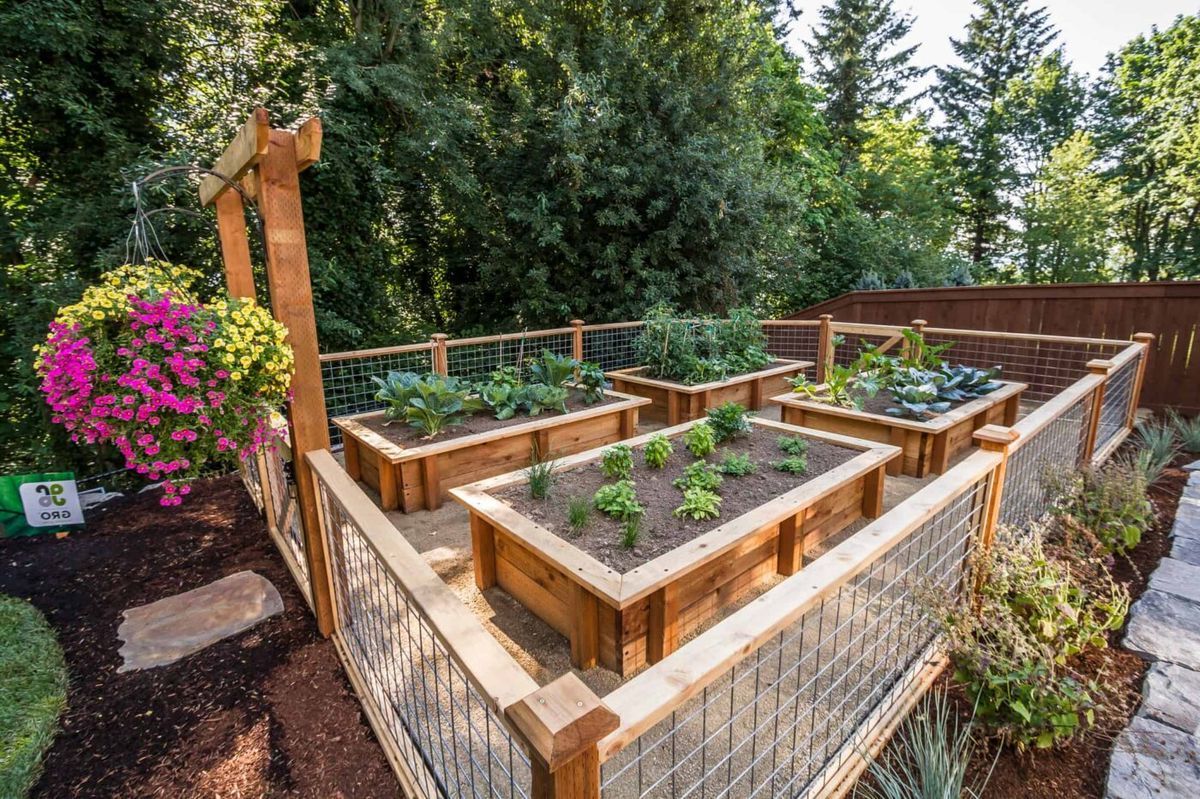
To build a raised garden bed with a fence, choose a sunny site, make a bed no wider than 4 feet, set sturdy fence posts at the corners, build the bed frame, and attach hardware cloth or netting. Use untreated cedar or another safe outdoor wood. Fill the bed with quality soil and compost, then add a hinged gate if rabbits, dogs, or deer are a concern.
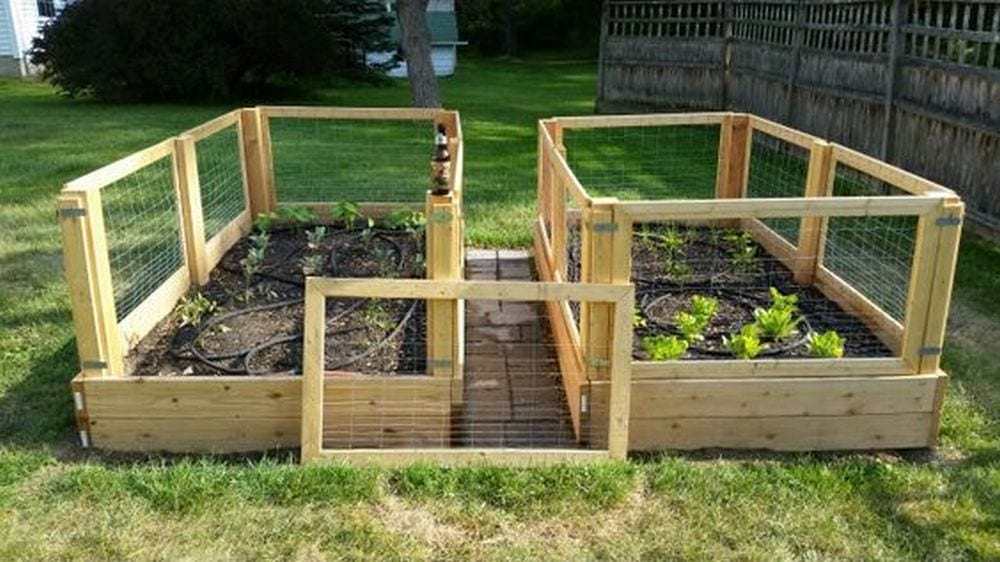
The best design depends on the pest pressure in your area. Use ½-inch hardware cloth for rabbits and ground squirrels, 1-inch chicken wire for larger pests, and a 7- to 8-foot fence for deer. In a small yard, a 4-by-8-foot bed with a 30- to 36-inch fence works well for most vegetables.
Plan the bed before you buy materials
A raised bed works best when you can reach the center from both sides. Keep the bed 3 to 4 feet wide and use any length that fits your space. A 4-by-8-foot bed offers 32 square feet of growing space and is large enough for tomatoes, peppers, beans, lettuce, carrots, and herbs.
Choose a site with at least six hours of direct sun. Fruiting crops such as tomatoes, cucumbers, squash, and peppers often need eight or more hours. Leafy crops like lettuce, kale, and cilantro can handle some afternoon shade, especially in USDA Zones 8 through 10.
Leave at least 2 feet around the outside of the fence. You need room to mow, pull weeds, move a wheelbarrow, and open the gate. If you plan to grow raspberries, blackberries, or vigorous mint nearby, give them more space because their roots or stems can spread into the bed.
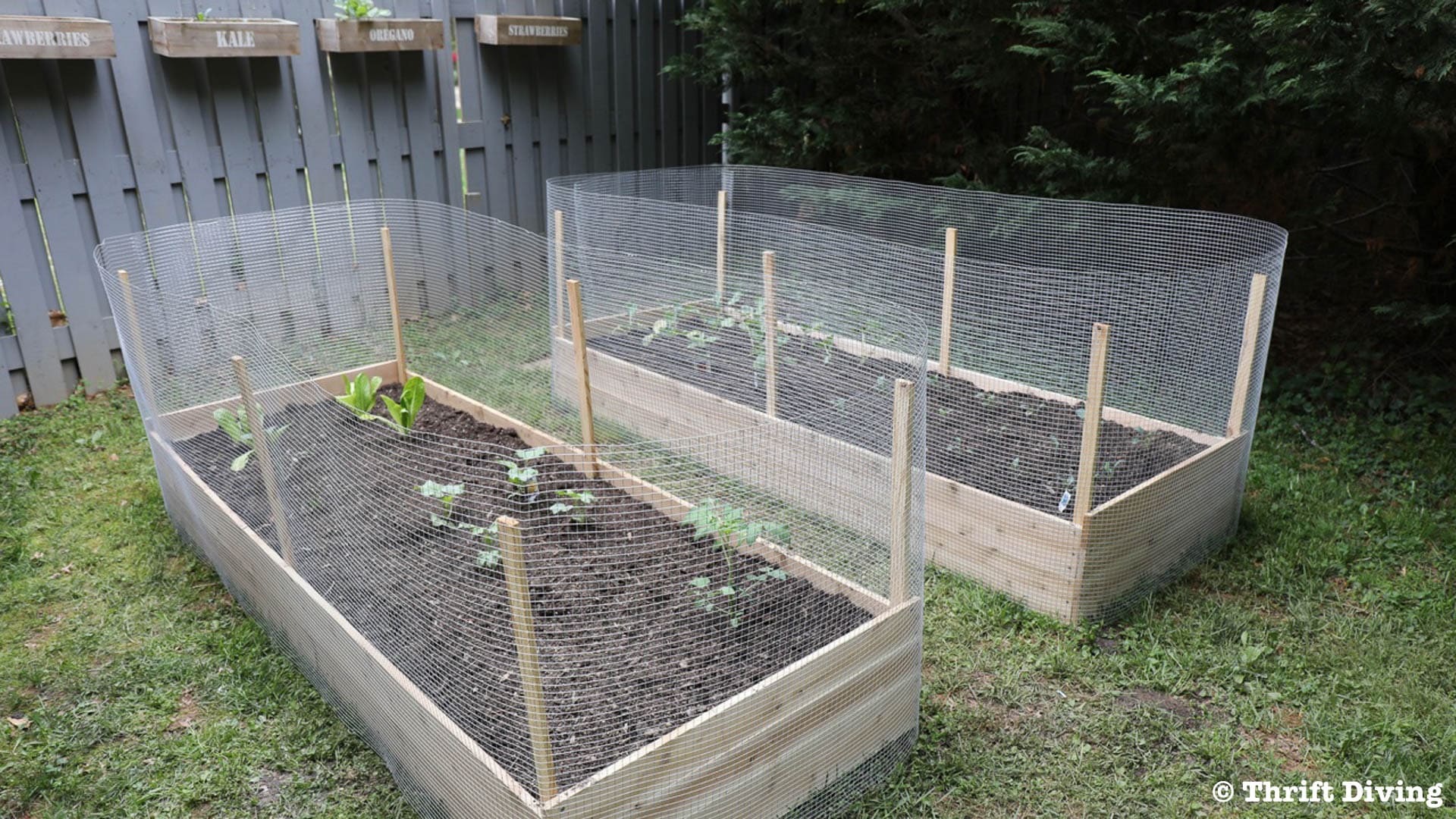
Choose the right height
A bed 10 to 12 inches high is enough for lettuce, beans, peppers, and most herbs. Use 18 to 24 inches if your soil drains poorly, your garden has tree roots, or you want less bending. A 24-inch bed also works well for gardeners with knee or back pain.
Very tall beds cost more and need more soil. They also create more pressure on the side boards. For most home gardens, two layers of 2-by-6 boards create a strong 11-inch wall, while three layers create a wall close to 16 inches high.
Pick a fence height based on the pest
A short fence can stop rabbits but will not stop deer. Deer can clear a 6-foot fence with ease if they feel trapped or hungry. An 8-foot fence is more reliable, though local deer behavior and nearby cover still affect results.
Use a roof or fully enclosed frame if birds, squirrels, or raccoons cause damage. Bird netting alone will not stop raccoons. Raccoons can tear light mesh and reach through openings, so they need stronger wire and a secure latch.
| Garden problem | Fence choice | Typical height |
|---|---|---|
| Rabbits and hares | ½-inch hardware cloth | 24–36 inches |
| Dogs and chickens | Welded wire or hardware cloth | 36–48 inches |
| Deer | Heavy deer netting or woven wire | 7–8 feet |
| Birds and squirrels | Netting over a frame | 5–7 feet |
| Raccoons | Welded wire with a tight gate | 48–72 inches |
The key point is simple: match the mesh to the pest. A tall fence with wide openings may stop deer but still let rabbits enter at ground level.
Tools and materials for a fenced raised bed
You do not need specialized equipment for this project. A circular saw makes cutting faster, but a handsaw works for one bed. A drill with a driver bit, a level, a tape measure, and a shovel will do most of the work.
Buy straight boards with no deep cracks or soft spots. Avoid wood treated with older preservatives or boards with a strong chemical odor. Modern pressure-treated lumber is commonly used for garden structures, but cedar, redwood, and recycled plastic lumber offer other options.

| Material or tool | Suggested choice | Why it matters |
|---|---|---|
| Bed boards | Untreated cedar, redwood, or 2-inch lumber | Resists rot and holds soil |
| Fence posts | 4-by-4 posts or metal T-posts | Supports wire and netting |
| Pest barrier | ½-inch hardware cloth | Stops rabbits and many rodents |
| Fasteners | Exterior screws and fencing staples | Handles moisture and movement |
| Cutting tool | Circular saw or handsaw | Cuts boards and posts |
| Layout tools | Tape, square, level, and stakes | Keeps the bed straight |
| Soil tools | Shovel, rake, wheelbarrow, and gloves | Builds and finishes the bed |
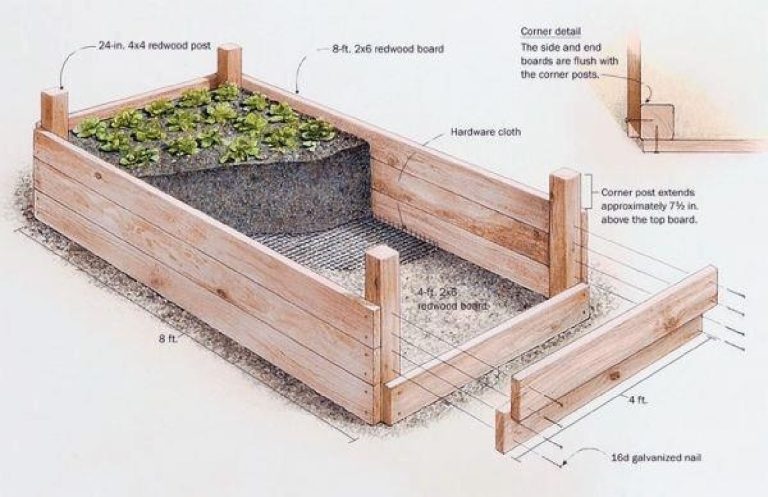
For a 4-by-8-foot bed with an 11-inch wall, plan on four 8-foot boards for the long sides and four 4-foot boards for the short sides. Add four 4-by-4 corner posts if the bed stands alone. For a fenced design, use posts that extend 2 to 3 feet above the bed wall.
A gate needs two hinges, a latch, and a diagonal brace if it is wider than about 30 inches. A simple 24-inch gate is enough for hand tools, but a 36-inch gate feels much better when you carry a full harvest basket.

How much soil will you need?
A 4-by-8-foot bed that is 12 inches deep needs about 32 cubic feet of soil. That equals roughly 1.2 cubic yards. Bags may be easier for a small bed, but bulk soil usually costs less for a large project.
Use a mix with about 60% screened topsoil, 30% finished compost, and 10% aeration material such as pine bark fines. In heavy clay, add compost and pine bark rather than large amounts of sand. Sand can form a dense, concrete-like mix when it combines with clay.
Hardware cloth or chicken wire?
Hardware cloth is made from welded metal wire and has a firm grid. Chicken wire uses twisted wire and has larger, weaker openings. Hardware cloth costs more, but it holds its shape and gives better protection from rabbits, voles, and mice.
Use chicken wire when you only need to keep out large birds or chickens. For a food garden with rabbits or rodents, ½-inch hardware cloth is the safer choice.
Prepare the site and mark the layout
The best way to start is to remove grass, measure twice, and build on firm ground. Do not place the bed directly over aggressive roots from willow, poplar, bamboo, or large maple trees. Tree roots can invade the bed and steal water within one season.
Mark the four corners with stakes. Measure the diagonals from corner to corner. Both diagonals should match before you dig. This small step keeps the frame square and prevents a frustrating fight when you install the fence.

Remove sod and weeds from inside the outline. Dig down 2 to 4 inches if the site has thick turf. If you build over grass, the turf may grow through the soil or create air gaps under the bed.
Use a garden fork to loosen the native soil. You do not need to turn the soil deeply, but breaking the surface helps roots move down. In wet regions, make sure water can drain away from the bed rather than pooling beside it.
Set the bed away from downspouts. Roof runoff can wash out soil, spread disease, and flood roots. A rain barrel or drip system gives you better control.
⚠️ Warning: Call your local utility marking service before you dig post holes. Even shallow holes can hit buried electrical, gas, or irrigation lines.
Build the raised bed frame
Build the frame on the ground if possible. It is easier to align the boards on a flat surface than inside a muddy garden. Use exterior screws that are long enough to pass through one board and enter the next by at least 1½ inches.

1. Cut and inspect the boards
Cut two long boards to 8 feet and four short boards to 4 feet for a basic 4-by-8-foot layout. If the boards are rough, sand sharp splinters from the top edges. Do not round the corners too much because square edges help the boards meet.
Lay each board flat and check for bowing. Place the crown of a bowed board outward when possible. Soil pressure will push the board back toward the frame.
2. Assemble the first course
Stand the boards on edge and connect the corners with two or three exterior screws. Keep the top edges even. A square or a scrap board can help you hold each corner at 90 degrees.
Measure the diagonals again. If they do not match, push the frame sideways until they do. A square frame makes every later step easier.
3. Add a second course
Stack the second layer of boards on top of the first. Stagger the joints so no two end seams sit directly above one another. Drive screws every 16 to 24 inches along the sides.
If you use 2-by-6 lumber, two courses create a wall about 11 inches high. If you want a deeper bed, add a third course. For walls over 18 inches, add internal braces or posts to prevent bowing.
4. Attach the corner posts
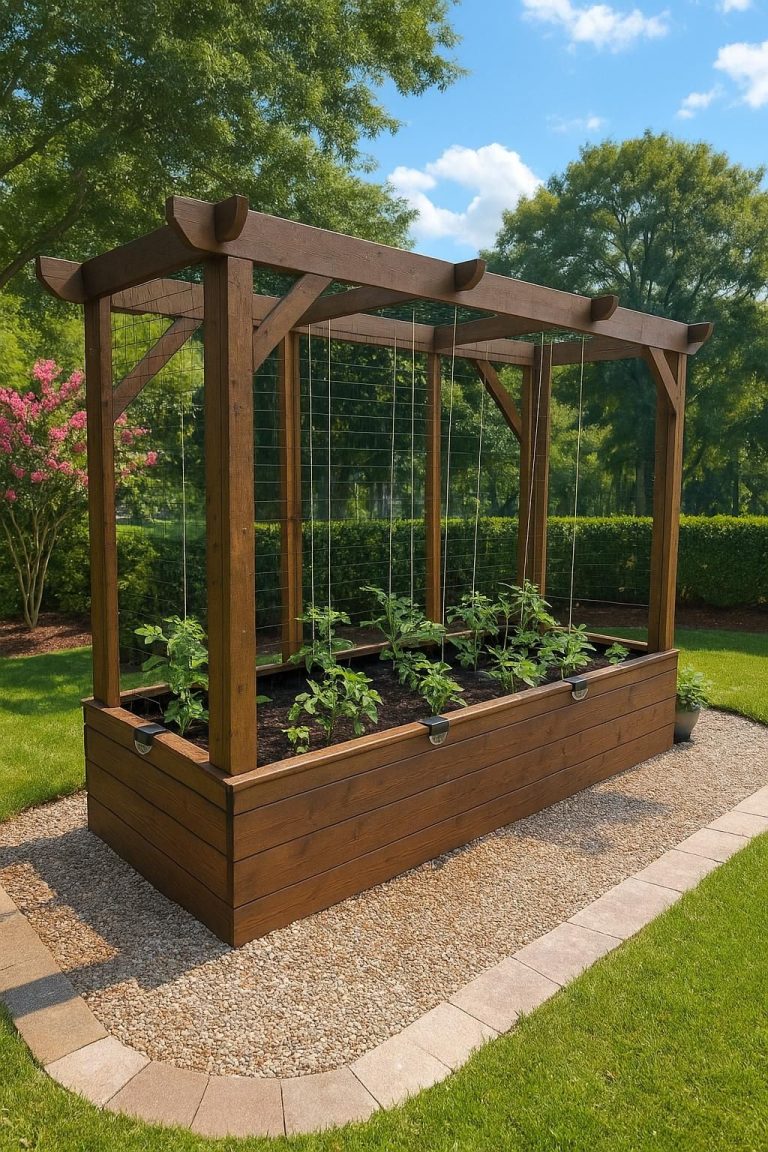
Set a 4-by-4 post at each corner. The lower part should reach beside or below the bed wall, while the upper part should rise high enough to support the fence. Fasten the boards to the posts with structural exterior screws.
For a 36-inch fence above a 12-inch bed, use posts about 5 feet long. Bury 18 to 24 inches of each post. For an 8-foot deer fence, use longer posts and stronger footings.

5. Install intermediate posts
Add a post halfway along each long side. A 4-by-8-foot bed often needs one middle post per long side, especially if the fence catches wind. Place posts no more than 4 feet apart for lightweight netting and 6 feet apart for sturdy wire.
A loose fence can sag into your crops. It can also create a gap at the bottom where rabbits squeeze through. Strong posts make the whole structure feel more like a small garden room than a temporary cage.
Anchor the fence posts securely
The main difference between a fence that lasts and one that leans is the post base. Wind, wet soil, and gate movement all pull on the posts. Do not rely on the bed boards alone to support a tall fence.
For a short rabbit fence, you can fasten posts to the bed frame and bury the lower mesh edge. For a tall deer fence, set posts in the ground outside the bed. Dig holes 18 to 30 inches deep, depending on soil and fence height.
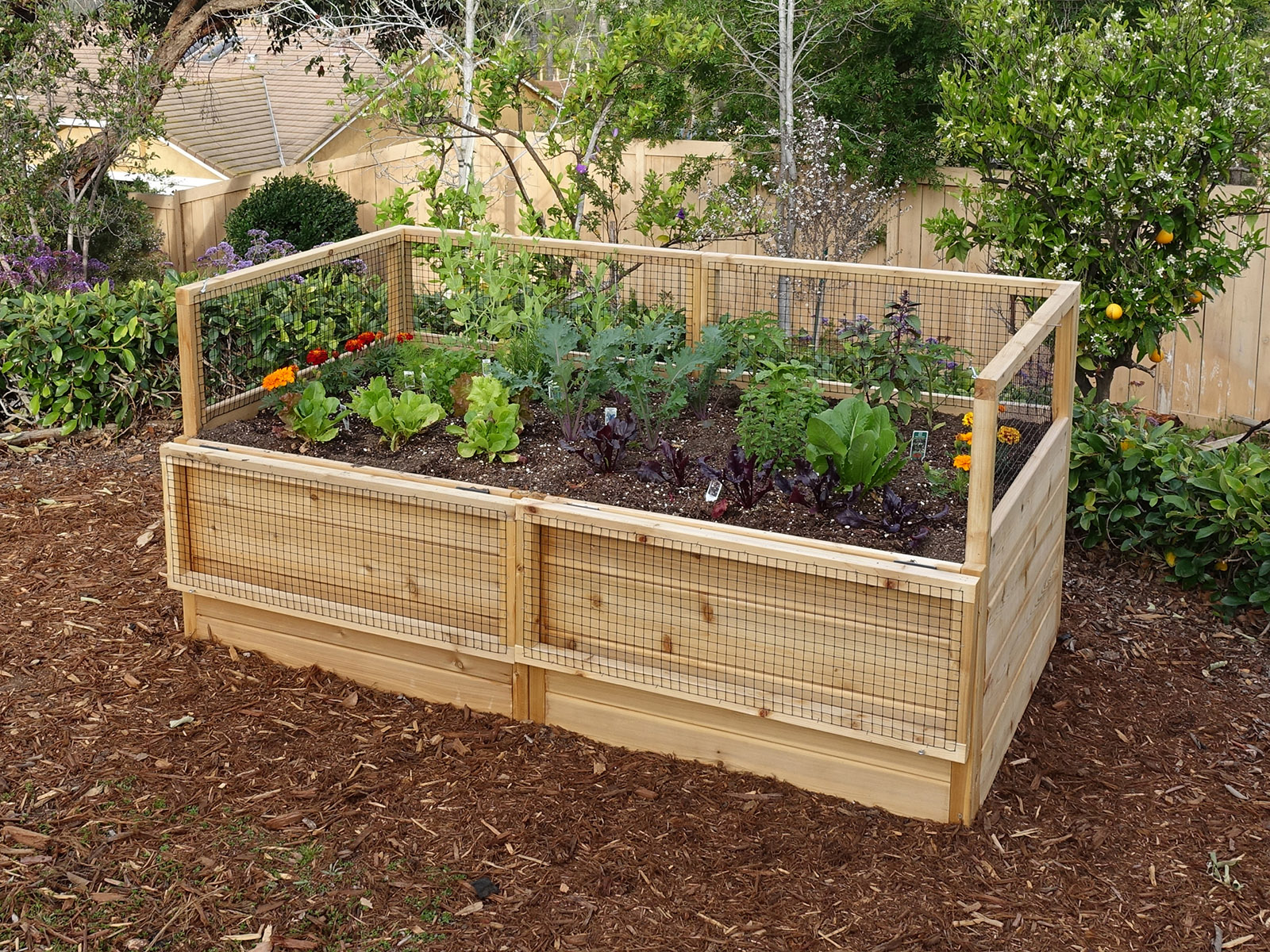
Pack soil firmly around wood posts in layers. A narrow digging bar or the handle of a shovel helps tamp each layer. In loose sandy soil, use gravel at the bottom and compact the soil well.
Concrete can help with tall fence posts, but it is not always needed. In freeze-thaw areas such as USDA Zones 3 through 6, set posts below the local frost line when practical. Shallow concrete footings may heave as the ground freezes.
| Fence type | Post depth | Recommended support |
|---|---|---|
| 24–36 inch rabbit fence | 12–18 inches | Packed soil or frame attachment |
| 4–5 foot wire fence | 18–24 inches | Packed soil, gravel, or concrete |
| 7–8 foot deer fence | 24–36 inches | Concrete or deep compacted soil |
| Netting frame | 12–24 inches | Wood posts or metal conduit |
The takeaway is that fence height changes the engineering. A short mesh barrier is light, but a tall deer fence acts like a sail in strong wind.
💡 Pro Tip: In windy areas, angle two support braces from the outside of the corner posts down to the ground. This simple brace often works better than adding thicker wire.
Add the pest barrier
Attach the mesh after the frame and posts are stable. Start at one corner and work around the bed. Keep the bottom edge tight and close to the soil.
For rabbits, bury the bottom 6 inches of hardware cloth straight down or bend 8 to 12 inches outward in an L shape. The outward flap, called a predator apron, stops animals from digging directly beside the fence.

Use galvanized fencing staples or exterior screws with washers. Staples should sit firmly against the wire without crushing it. Place fasteners every 8 to 12 inches along the bottom and every 12 to 18 inches along the posts.
Overlap mesh by at least 6 inches at seams. Tie the overlapping sections with galvanized wire or UV-resistant zip ties. Check the seam by pulling it with your hand. If it opens easily, a rabbit may find the same weakness.
Keep mesh away from sharp cut ends. Fold the wire back or cover the edge with a narrow wood strip. This protects hands, pets, and children.
Install a top frame when needed
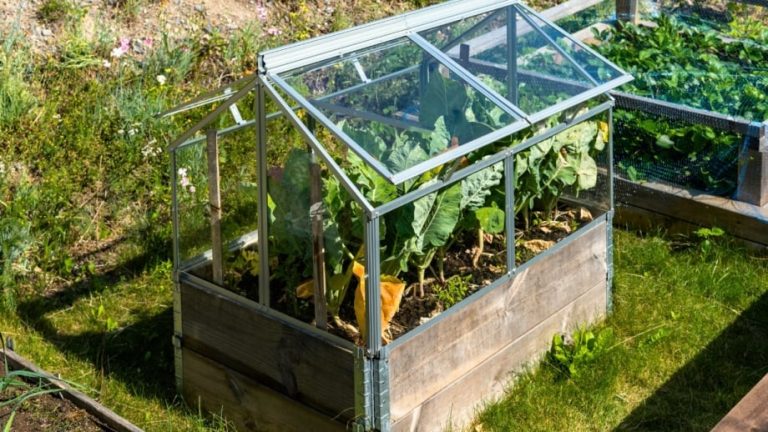
A top frame helps support bird netting and makes the fence more stable. Use ½-inch PVC conduit, wooden rails, or metal hoops. Attach the frame to the corner posts with pipe straps or screws.
For cabbage moths, flea beetles, and birds, cover the frame with insect netting or floating row cover. Do not use fine mesh during hot weather unless it allows enough airflow. Heat can build up quickly inside a covered bed.
🌱 Beginner Note: If you grow tomatoes or cucumbers, leave enough space between the plants and the mesh. Vines can grow through small openings and become hard to remove at the end of the season.
Build and hang a simple garden gate
A gate is useful even on a small bed. Without one, you may step over the fence and crush the soil or plants. A 24- to 36-inch gate gives you easy access for planting, weeding, and harvesting.
Build the gate from two vertical boards, two horizontal rails, and one diagonal brace. The brace should run from the lower hinge side toward the upper latch side. This direction keeps the gate from sagging.

Attach the hinges to the strongest post. Leave about ½ inch of clearance on the latch side and beneath the gate. Soil can shift, and wood can swell after rain.
Use a spring latch, barrel bolt, or locking latch. If raccoons are present, choose a latch that requires lifting or two separate actions. Simple hook-and-eye latches often fail when a clever animal pulls on them.
| Gate feature | Good choice | Reason |
|---|---|---|
| Width | 24–36 inches | Easy hand and tool access |
| Brace | Diagonal wood brace | Reduces sag |
| Hinges | Two heavy exterior hinges | Supports daily use |
| Latch | Spring latch or bolt | Closes firmly |
| Bottom gap | ½ inch or less | Blocks rabbits and chickens |
A gate should close by itself or make it obvious when it remains open. One forgotten opening can undo a full season of pest control.
Fill the bed with healthy soil
Soil quality controls the growth of every plant in the bed. A raised bed should drain well but still hold moisture. It should crumble in your hand, smell earthy, and contain visible organic matter without large chunks of wood.

Start with a soil test if you can. Most vegetables grow well at a pH between 6.0 and 7.0. Blueberries prefer a much lower pH, around 4.5 to 5.5, so they belong in a separate acid bed or container.
A practical raised-bed mix contains topsoil, compost, and an aeration material. Use finished compost from a trusted source. Fresh manure can burn roots and may contain weed seeds or pathogens.
| Soil part | Share of mix | Function |
|---|---|---|
| Screened topsoil | 50–60% | Mineral structure and root support |
| Finished compost | 25–35% | Organic matter and slow nutrients |
| Pine bark fines or leaf mold | 10–20% | Drainage and air space |
Do not fill the whole bed with compost. Pure compost can shrink, dry out, or hold too much water. It may also release more nutrients than seedlings need.
Mix the ingredients on a tarp or blend them inside the bed with a shovel. Avoid walking on the soil after filling. Compacted soil reduces oxygen and makes carrots fork.
Add 1 to 2 inches of shredded leaves, straw, or pesticide-free grass clippings as mulch. Keep mulch 2 inches away from tomato and pepper stems. Thick mulch against stems can encourage rot and shelter slugs.
Choose crops that fit a fenced raised bed
The fence changes what you can grow, but it also creates support for vertical crops. Use the north side for trellised peas, cucumbers, and pole beans so they do not shade shorter crops.
A 4-by-8-foot bed can hold a surprising amount of food. Plant by mature size, not by the size of the seedling. A single indeterminate tomato such as ‘Sungold’ can need 4 square feet or more when supported.

Good crops for a first bed include:
- Leaf lettuce, spinach, and kale
- Bush beans and compact peas
- Carrots, radishes, and beets
- Basil, parsley, cilantro, and chives
- Peppers and compact tomatoes
- Strawberries in a dedicated corner
- Cucumbers on a trellis
Avoid planting mint directly in the bed. Mint spreads by underground stems and can take over within two seasons. Grow it in a container placed inside or beside the fence.
Use companion planting as a loose planning tool, not a pest cure. Basil near tomatoes can help you use space well, but it will not stop tomato hornworms. Crop rotation, clean soil, row cover, and regular scouting work better.
Water and maintain the bed through the season
New soil dries faster than native ground, especially in the first few weeks. Check moisture by pushing a finger 2 inches into the soil. Water when the top layer feels dry and the soil below feels only slightly moist.
Deep watering encourages deep roots. Apply water slowly at the soil line until moisture reaches 6 to 8 inches down. Drip irrigation or a soaker hose reduces leaf wetness and lowers the risk of fungal diseases such as powdery mildew and early blight.
| Crop group | Water need | Useful method |
|---|---|---|
| Lettuce and spinach | Even moisture, often daily in heat | Soaker hose or gentle spray |
| Tomatoes and peppers | Deep watering 1–2 times weekly | Drip line at the base |
| Carrots and radishes | Steady moisture during root growth | Fine spray or drip |
| Beans and cucumbers | More water during flowering | Drip or soaker hose |
| Herbs | Moderate; allow slight drying | Hand watering at soil level |
Weather changes this schedule. A raised bed in Arizona may need water daily in summer, while one in coastal Oregon may need little supplemental water during rain. Always check the soil instead of following the calendar alone.
Feed the bed based on plant growth and soil test results. A balanced organic fertilizer such as 4-4-4 can help at planting, but do not add repeated high-nitrogen feed to tomatoes and peppers after flowering. Too much nitrogen creates large leaves and fewer fruits.
Protect the wood and fence
Untreated cedar may last 10 to 15 years in many climates, while pine may decay sooner, especially when it stays wet. Redwood can last longer but costs more. The first parts to fail are often the bottom boards, corner joints, gate hinges, and fence staples.

Keep grass and weeds away from the outside wall. Plants hold moisture against the wood and hide pests. A 2-foot strip of wood chips or gravel around the bed makes inspection easier.
Inspect the structure in spring and after major storms. Look for loose screws, lifted mesh, leaning posts, swollen boards, and gaps under the fence. Repair small problems before rabbits or deer find them.
| Task | Timing | What to check |
|---|---|---|
| Inspect boards and posts | Early spring | Rot, cracks, loose joints |
| Check mesh and seams | Monthly | Holes, sagging, lifted edges |
| Test the gate | Monthly | Hinge movement and latch |
| Refresh mulch | Every 2–3 months | Bare soil and stem contact |
| Add compost | Each growing season | Soil level and texture |
Do not paint or seal the inside of a food bed with products not labeled for garden use. If you want to protect the outside, use a garden-safe exterior finish and follow the label. Let it cure fully before placing soil against it.
Common mistakes and simple fixes
Most failed raised beds do not fail because of the plants. They fail because the frame is too wide, the posts are weak, or the fence has an easy gap.

The bed is too wide
A 6-foot-wide bed looks productive but forces you to step into the soil. That compacts roots and makes weeding hard. Build a 4-foot bed or add a path through a larger growing area.
The fence has a bottom gap
Rabbits need only a small opening. Check the fence after rain, when soil can settle away from the mesh. Bury the lower edge or add a horizontal apron.
The fence leans after wind
Loose posts or wide spacing cause this problem. Add a center post, pack the soil again, or install diagonal braces. Tall fences may need concrete footings.
The soil shrinks
Compost breaks down over time, and the bed may settle several inches. Add compost and topsoil each spring. Do not add a thick layer of fresh manure.
Water runs off the surface
Dry peat-rich mixes can repel water. Apply water slowly in two passes, or mix in compost and pine bark. A thin mulch layer also helps water enter the soil.
Plants grow well but produce little fruit
This often comes from low light, excess nitrogen, heat, or poor pollination. Tomatoes need full sun, while cucumbers and squash need pollinators. Grow flowers such as calendula, alyssum, or borage nearby, but avoid borage if children may eat the leaves.
🔧 Quick Fix: If a rabbit keeps entering, place a flashlight at ground level and inspect the fence at night. The weak point is often a gate corner, a buried wire seam, or a spot where the ground slopes.
My experience building and using fenced beds
My most useful bed is a 4-by-8-foot cedar frame with a 12-inch wall, ½-inch hardware cloth, and a 36-inch gate. I set the corner posts about 20 inches into firm soil and added a center post on each long side. In USDA Zone 6, that design has handled rabbits, heavy rain, and two winter freeze-thaw cycles with only minor staple repairs.
A 24-inch fence stopped rabbits but did nothing for deer. One spring, deer reached over the top and ate bean leaves from the outer edge. I later added taller posts and a separate 7-foot deer barrier around the whole garden.
I also tried filling a bed with nearly pure compost. Plants grew fast for six weeks, then the soil dried into hard pockets. Carrots forked, and basil wilted by midafternoon. A blend with screened topsoil and pine bark gave much steadier moisture.
The unexpected benefit was cleaner soil management. I could add compost without disturbing paths, rotate crops within a clear space, and cover the bed with row fabric when cabbage moths appeared. The fence became a support system, not just a pest barrier.
Cost, time, and lower-cost alternatives
A basic 4-by-8-foot raised bed with a short fence often takes one full day for two people or a weekend for one person. Add more time if you dig deep post holes, build a gate, or need to haul soil by hand.
Current pricing ranges from about $150 to $500 for a small bed, depending on wood, soil, mesh, and gate hardware. Cedar and welded wire cost more than pine and chicken wire, but stronger materials reduce repairs.
| Build option | Approximate cost | Best use |
|---|---|---|
| Pine frame with chicken wire | $100–$200 | Low-cost, low-pest gardens |
| Cedar frame with hardware cloth | $200–$400 | Rabbits, rodents, and long service |
| Tall deer-proof enclosure | $400–$1,000+ | Rural or deer-heavy areas |
| Stock tank with mesh cover | $250–$700 | Small spaces and patios |
| Ground bed with separate fence | $150–$600 | Large gardens and easier access |
A stock tank is a good alternative when you want a raised container but do not want to build a wood frame. Drill drainage holes and place it on a stable base. Metal tanks can heat the soil in hot climates, so light shade cloth may help in USDA Zones 8 through 10.
A simple ground-level garden with a perimeter fence costs less when you want many rows. It also gives roots more access to native soil. Choose that option when your soil drains well and you do not need a deep bed.
Seasonal care and winter storage
In spring, inspect the fence before planting. Winter snow can bend netting, lift staples, and split wet boards. Repair the structure while the bed is empty.
In summer, watch for heat around covered beds. Remove insect netting when plants need pollinator access, or hand-pollinate squash and cucumbers. Keep the gate closed, since pest pressure often rises as nearby fields dry out.
In fall, remove diseased plants and any fallen fruit. Do not compost tomato or squash plants with severe blight or powdery mildew in a home compost pile. Clean tools with soap and water before moving from infected plants to healthy ones.
| Season | Main job | Helpful detail |
|---|---|---|
| Spring | Repair and fill | Check posts, mesh, soil level, and drainage |
| Summer | Water and scout | Inspect daily during heat and fruit set |
| Fall | Clean and cover | Remove diseased debris and add compost |
| Winter | Protect structure | Remove heavy netting and check snow load |
Leave healthy roots in the soil when practical. Cut plants at the soil line and let roots decay. This feeds soil organisms and causes less disturbance than pulling every plant.
If you use removable hoops or netting, store them in a dry shed or garage. Coil wire loosely and label each piece. Bent hardware cloth is hard to flatten later.
When to hire a professional
Most small raised beds are safe DIY projects, but get help for tall deer fences, large retaining walls, steep slopes, or buried utility concerns. A fence over 6 feet catches strong wind and can damage nearby structures if the posts fail.
Hire a professional if the bed must hold back soil on a slope. That becomes a retaining wall project, not just a garden box. Poor drainage or wall movement can damage paths, patios, or foundations.
You may also want help if you have limited mobility. A contractor or skilled carpenter can build a 30-inch-high bed with wide paths, a light gate, and irrigation controls at a comfortable height.
FAQs about fenced raised garden beds
Q: How high should a fence be around a raised garden bed?
A 24- to 36-inch fence works for rabbits, while deer need about 7 to 8 feet. Dogs and chickens usually need a 36- to 48-inch barrier. The correct height depends on the animal, nearby objects, and how easily it can jump or reach.
Q: Can I build a raised bed directly on grass?
Yes, but remove the sod first. Cut the grass, lift the turf, and loosen the soil below. If you leave grass in place, it may grow through the bed and compete with vegetables.
Q: Should I line the bottom of a raised bed?
Use hardware cloth under the bed if you have voles, gophers, or burrowing rodents. Do not use plastic as a full liner because it can trap water. Landscape fabric may separate soil from gravel, but it is not needed over healthy native soil.
Q: What is the best wood for a raised garden bed?
Cedar and redwood resist rot and last well outdoors. Untreated pine costs less but may decay sooner. Modern pressure-treated lumber is widely used, but choose products made for current outdoor use and avoid salvaged wood with an unknown history.
Q: How long does a raised garden bed with a fence last?
A cedar bed may last 10 to 15 years or longer with good drainage. Pine may last 5 to 10 years, while fence mesh can last 5 to 15 years depending on coating, sunlight, and moisture. Gate hardware often needs repair before the frame.
Q: How do I stop rabbits from digging under the fence?
Bury the mesh 6 inches deep or bend it outward into a 12-inch apron. Secure the bottom with landscape staples or heavy pins. Close gaps at gates and uneven ground.
Q: Can I use chicken wire for a vegetable garden?
Chicken wire works for large birds and chickens, but it often fails against rabbits and rodents. Use ½-inch hardware cloth when you need a strong barrier around edible crops.
Q: Do raised beds need drainage holes?
Wooden raised beds built on soil usually drain through the bottom. Containers, stock tanks, and beds placed on concrete need drainage holes. Water should never sit around the roots after rain.
Q: How often should I replace the soil?
You usually do not need to replace it. Add 1 to 2 inches of finished compost each year and mix it lightly into the top few inches. Test the soil if plants perform poorly or nutrients build up.
Q: Can I grow tomatoes in a fenced raised bed?
Yes. Give each indeterminate tomato about 3 to 4 square feet and add a cage or trellis. Choose compact varieties such as ‘Patio Choice Yellow’ for small beds, or support vigorous varieties such as ‘Sungold’ with a strong trellis.
Q: Is a raised bed worth the money?
It is worth the cost when your native soil is poor, wet, compacted, or hard to reach. It may not be worth it if you have deep, fertile soil and need a large growing area. A ground garden with a perimeter fence can provide more space for less money.
Q: What should I plant first in a new raised bed?
Start with easy crops such as lettuce, radishes, bush beans, basil, kale, and peppers. Add tomatoes after the soil warms. In cool USDA Zones 3 through 6, plant warm-season crops after the last spring frost.
Final thoughts
A raised garden bed with a fence is a practical way to gain control over soil, water, and pests. Build the bed no wider than you can reach, use strong corner posts, bury or apron the mesh, and fill the frame with a balanced soil mix rather than pure compost.
Start with one 4-by-8-foot bed if you are new to the project. That size gives enough room to grow a useful mix of crops without creating too much work. After one season, you will know which pests, plants, and watering methods fit your yard.
A good fenced bed should feel simple to use. If the gate closes, the soil drains, the fence stays tight, and the plants receive enough sun, you have built a strong foundation for many productive seasons.
Meta description: Learn how to build a raised garden bed with a fence using safe wood, strong posts, hardware cloth, rich soil, and a simple gate. Includes costs, tools, pest control, and maintenance tips.