How To Build A Raised Garden Bed Against A Fence: Tips
A raised garden bed against a fence can turn a narrow, unused strip into a productive growing space. It works well for vegetables, herbs, flowers, and pollinator plants. The key is to protect the fence, leave room for drainage, and give plants enough sun and root space.
I have built beds beside wood, vinyl, and chain-link fences in gardens from USDA Zone 5 to Zone 9. The same mistake appears often: people attach the bed to the fence or place it too close. That can trap moisture, cause rot, block repairs, and make the plants hard to reach.
The best setup is a free-standing bed placed a few inches away from the fence. Use a strong frame, safe soil, and a simple plan for watering and access. With the right layout, you can grow more food without damaging the fence or creating a maintenance problem.

Quick answer: Build a free-standing bed with a small gap
The best way to build a raised garden bed against a fence is to make a sturdy, free-standing frame and leave a 2–6 inch gap between the bed and fence. Level the site, improve drainage, line only the side facing the fence if needed, fill the bed with quality soil and compost, then add mulch and drip irrigation. Never use the fence as the bed’s support.

A bed beside a fence gets the most sun when it runs north to south, if the site allows. A tall fence can cast shade, so watch the area for one full day before building. Tomatoes, peppers, cucumbers, and basil need at least six to eight hours of direct sun.
The bed should also be narrow enough to reach. Most gardeners can reach about 2 feet from one side. If you can access both sides, a 4-foot-wide bed works well. Along a fence, I usually build the bed 18–30 inches wide.
Plan the site before you buy lumber
Good planning prevents most problems later. Measure the fence line, track sunlight, check water access, and think about how you will mow, weed, paint, or repair the fence. A raised bed may last for years, but the fence may still need work during that time.

Check sun, slope, and water flow
Place a chair or stake where the bed will sit. Check it in the morning, at noon, and in late afternoon. In cool climates such as USDA Zones 3–6, a fence may help protect plants from cold wind, but a north-facing fence can create heavy shade.
A south-facing fence can reflect heat. This helps basil, peppers, and eggplant in short-season areas, but it may stress lettuce and cilantro in hot climates such as Zones 8–10. A west-facing fence often gives strong afternoon heat and can dry the soil fast.
The ground should slope slightly away from the fence. Do not build where rainwater collects. A raised bed improves soil depth, but it does not fix a site with poor surface drainage.
Find underground utilities
Before digging posts, edging, or drainage trenches, contact your local utility marking service. In many areas, this service is free. Even a small bed can cross a buried electrical cable, gas line, irrigation pipe, or internet cable.
Leave space for access
Leave at least 24 inches outside the bed for walking. Give gates, hose reels, downspouts, and fence posts extra room. If you need to replace a fence board, you should not have to remove the whole garden.
| Site factor | Practical target | Why it matters |
|---|---|---|
| Gap from fence | 2–6 inches | Allows airflow and fence repairs |
| Bed width beside fence | 18–30 inches | Keeps plants within reach |
| Outside walking space | At least 24 inches | Makes watering and harvest easier |
| Direct sun for fruiting crops | 6–8 hours | Supports flowers and fruit |
| Bed height | 10–24 inches | Adds root space and reduces bending |
A narrow bed is easier to maintain than a deep bed that you cannot reach. The gap may seem wasteful, but it protects the fence and saves work later.
Choose a safe frame and the right materials
A raised bed frame must hold wet soil. Soil is heavy, and water increases the load. A 4-by-8-foot bed that is 12 inches deep can hold more than 2,000 pounds of soil and water, depending on the mix.
Best lumber choices
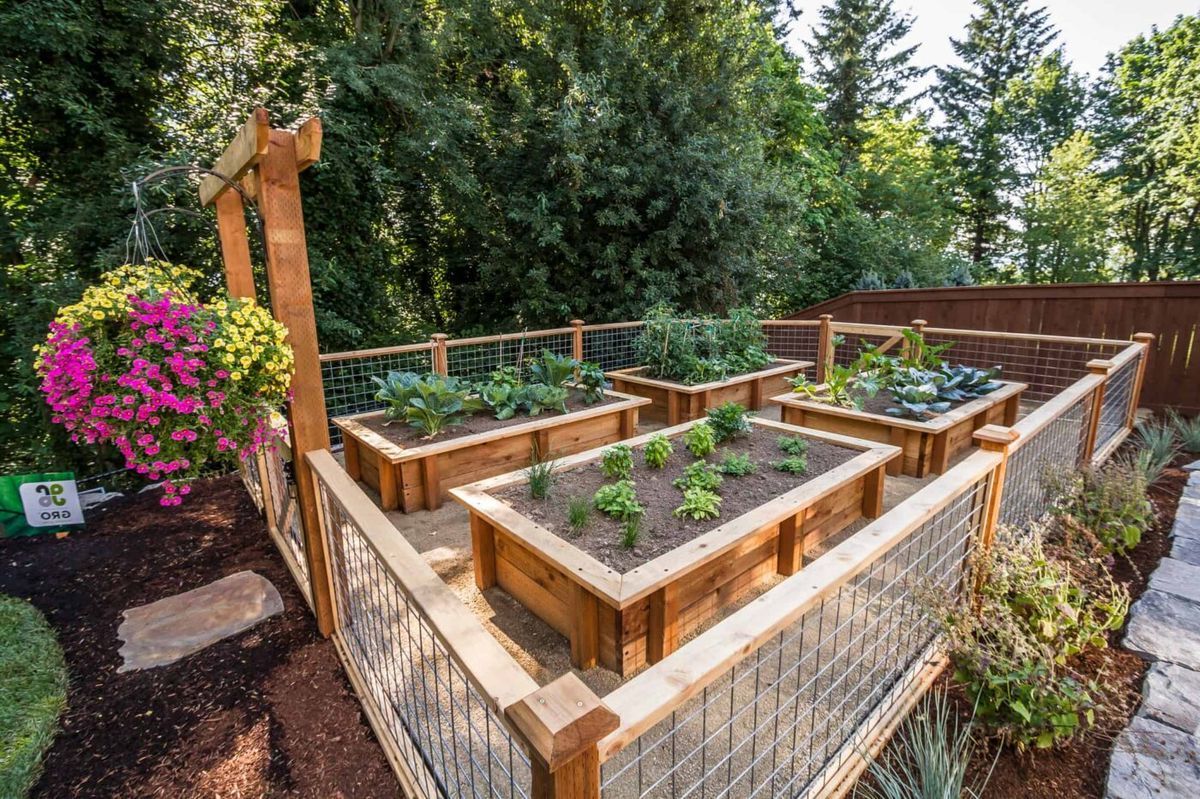
Untreated cedar and redwood resist rot and are common choices for food gardens. Cedar costs more than pine, but it may last 8–15 years, depending on climate, soil contact, and board thickness. In wet regions, even cedar can rot at the base.
Untreated pine is less expensive. It may last three to seven years, especially when it touches damp soil. It works well for a temporary bed or a low-cost first garden.
Modern pressure-treated lumber is regulated for residential use and is generally considered suitable for garden structures. Still, some gardeners prefer cedar, untreated wood, stone, or metal for peace of mind. Avoid old salvaged wood when you do not know its treatment history.
Do not use railroad ties, old utility poles, painted boards, or wood treated with creosote. These may contain compounds that can move into soil or harm plants.
Consider metal, masonry, or composite boards
Galvanized steel beds resist rot and insects. They heat faster in full sun, so add mulch and monitor soil moisture in Zones 8–10. The edges can be sharp, so use protective caps.
Concrete blocks and stone last a long time. They work well for permanent beds but require a level base. Concrete can raise soil pH near the wall as it weathers, which may affect acid-loving crops such as blueberries.
Composite boards do not rot easily, but some products flex under soil pressure. Use thick boards and proper corner supports. Composite beds may cost more than cedar but need less repair.
| Frame material | Typical life | Main strength | Main limit |
|---|---|---|---|
| Cedar or redwood | 8–15 years | Rot resistance | Higher cost |
| Untreated pine | 3–7 years | Low price | Shorter life |
| Galvanized steel | 15+ years | Resists rot and insects | Can heat in sun |
| Concrete block or stone | 20+ years | Very durable | Heavy and harder to change |
| Composite boards | 10–20 years | Low maintenance | May flex or cost more |
Choose the frame based on climate and budget. A simple cedar bed may be the best fit for a home garden, while galvanized steel suits a wet site where wood rots quickly.
Protect the fence without trapping moisture
Do not fasten the bed to the fence. Avoid a full plastic sheet pressed against the fence, too. It can trap water and reduce airflow.
If the fence is wood, place a narrow strip of gravel between the bed and fence. You can also install a short, independent panel of corrugated plastic or metal on the bed side, leaving an air gap. This protects the fence from wet soil without sealing it tightly.
⚠️ Warning: Never let soil sit directly against wood fencing. Soil stays damp after rain and irrigation, and that contact can cause rot below the soil line.
Gather tools and materials
You can build a basic bed with common hand tools. A circular saw speeds up cuts, but a handsaw works for a small project. Use a drill with exterior-grade screws rather than nails when possible.

| Item | Suggested choice | Use |
|---|---|---|
| Boards | 2-inch-thick cedar, pine, or similar | Bed walls |
| Screws | 3-inch exterior-rated screws | Corners and supports |
| Drill | Cordless drill with driver bit | Fastening boards |
| Level | 2-foot or 4-foot level | Checking the frame |
| Landscape rake | Steel or aluminum | Leveling soil |
| Soil mix | Topsoil, compost, and aeration material | Filling the bed |
| Mulch | Straw, shredded leaves, or leaf mold | Reducing weeds and water loss |
A cordless drill such as a DeWalt 20V MAX or Makita 18V LXT handles bed construction well, but you do not need a premium tool. A sharp pencil, tape measure, square, gloves, eye protection, and a shovel matter more than brand.
Wear safety glasses when cutting boards. Keep fingers away from the saw blade, and support long boards before cutting.
Build the raised bed step by step
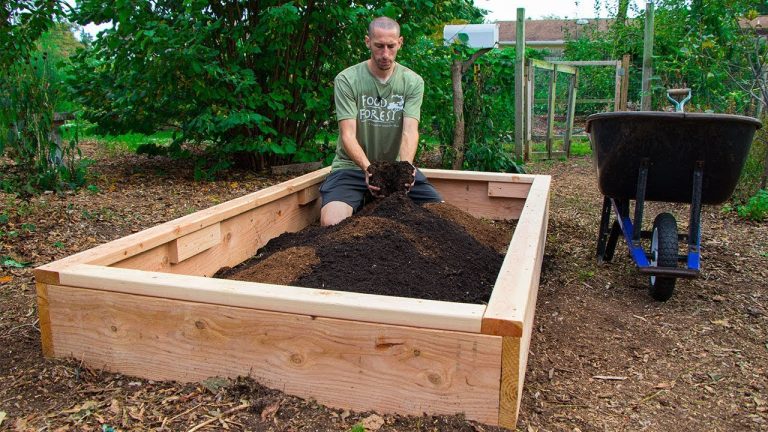
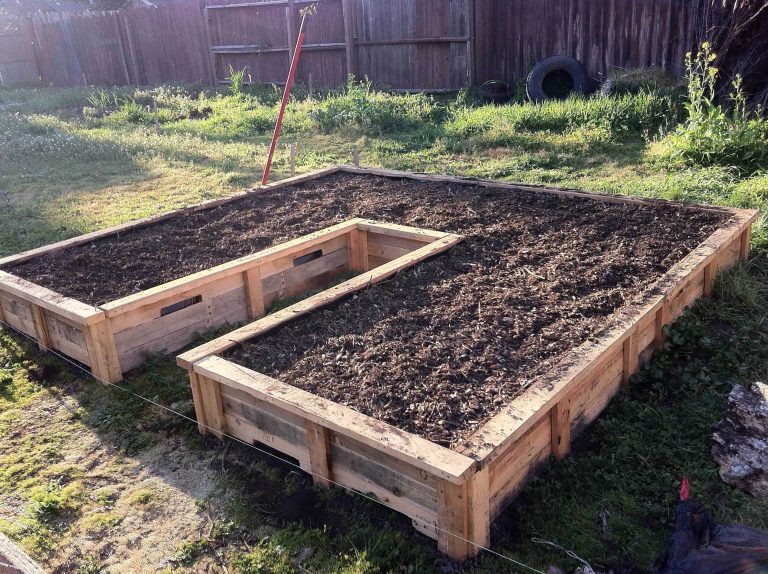
The most reliable approach is to build the frame first, place it beside the fence, and then fill it. Do not fill the bed before you confirm the position and level.

1. Mark the bed outline
Use stakes and string to mark the outside edges. Measure both diagonals. If both diagonals match, the layout is square.
Keep the near edge far enough from the fence for the planned air gap. A 4-inch gap works well in most gardens. If the fence has uneven posts or a gate, increase the gap to 6 inches.
2. Remove weeds and sharp debris
Cut grass and perennial weeds close to the ground. Remove large roots, stones, glass, and construction scraps. You do not need to remove every small weed seed from the soil, but eliminate aggressive plants such as quackgrass, bindweed, and Bermuda grass.
For a site with heavy perennial weeds, lay overlapping cardboard before adding soil. Remove tape and plastic labels first. Cardboard smothers light weeds as it breaks down.
3. Level the ground
Set the frame in place and check it from all sides. Remove soil from high spots rather than lifting one corner with loose fill. A level bed holds water more evenly.
A small slope is acceptable, but keep the top edge close to level. If the slope is greater than 4–6 inches across the bed, consider terracing or building a stepped bed.
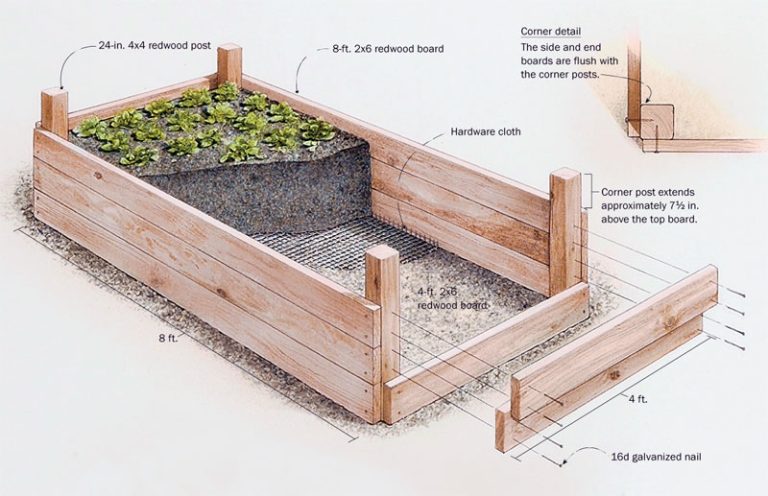
4. Cut and assemble the frame
For a 2-by-8-foot bed, cut two long boards and two short boards. Join the corners with exterior screws. Pre-drill near board ends to reduce splitting.
For beds longer than 6 feet, add a center brace or internal support. Soil can push long boards outward. Use a 2-by-2 or 2-by-4 brace across the width, placed below the soil line.
5. Add a second course if needed
A 10–12 inch bed works for lettuce, beans, herbs, radishes, and most annual vegetables. Use 18–24 inches for carrots, parsnips, potatoes, tomatoes, and gardens built over poor soil.
Stagger the joints between courses. Fasten the upper boards to the lower boards with screws every 16–24 inches. Add corner posts inside the frame for extra strength.
6. Create the fence-side gap
After assembly, shift the bed into its final place. Confirm that soil, mulch, and plant stems will not touch the fence. Fill the gap with coarse gravel if you want a clean strip, but do not pack it tightly against a wooden fence.
If the bed sits on concrete or compacted clay, keep the bottom open. Roots and water need a path into the ground unless you are building a true container.
7. Install a barrier only when needed
A hardware cloth layer beneath the bed helps stop voles, moles, and gophers. Use galvanized 1/2-inch hardware cloth, not chicken wire. Overlap seams by at least 6 inches and fold the edges upward inside the frame.
A landscape fabric liner can reduce soil loss on a bed over gravel or a hard surface. Do not line the bottom with plastic on normal soil. Plastic blocks drainage and can create waterlogged roots.
8. Fill the bed in layers
Add the soil mix in 3–4 inch layers. Water each layer lightly to settle air pockets. Do not walk inside the bed unless you use a board to spread your weight.
Stop the soil 1–2 inches below the frame’s top edge. This keeps soil from washing onto the path. It also leaves room for compost and mulch.
9. Water and let the soil settle
Water the completed bed slowly until moisture reaches the bottom. Wait two to seven days if possible, then top up any low areas. Soil often settles more than expected during the first month.
10. Add mulch and plant
Add 1–2 inches of straw, shredded leaves, leaf mold, or finished compost. Keep mulch 2 inches away from plant stems. Plant tall crops where they will not shade shorter crops.
For a fence bed, place tall crops on the fence side only if the fence does not block light. Otherwise, put tall plants at the north end or north side.
Choose the right soil mix
Raised beds need soil that drains well but still holds water and nutrients. Do not fill the whole bed with garden soil alone. It can compact into a hard mass.

A useful starting mix is 50–60% screened topsoil, 30–40% finished compost, and 10–20% aeration material such as aged pine fines. Coarse coconut coir can replace some peat in dry climates, but it needs steady moisture and careful mixing.
Use compost from a known source. Fresh manure can burn roots, add weed seeds, and raise salt levels. If you use manure compost, let it finish curing and follow local food safety guidance.
Test the soil after the bed settles. Most vegetables grow well at pH 6.0–7.0. A soil test also shows phosphorus, potassium, calcium, magnesium, and organic matter. Avoid adding lime or fertilizer by guesswork.
| Plant group | Soil pH target | Root depth | Good bed position |
|---|---|---|---|
| Lettuce, spinach, radish | 6.0–7.0 | 6–12 inches | Front edge or cooler side |
| Carrot, beet, turnip | 6.0–7.0 | 12–18 inches | Loose, stone-free section |
| Tomato, pepper, eggplant | 6.0–6.8 | 18–24 inches | Warmest, sunniest area |
| Herbs such as thyme | 6.0–8.0 | 8–12 inches | Dry, well-drained edge |
| Blueberry | 4.5–5.5 | 18–24 inches | Separate acid bed or container |
The easiest mistake is adding too much compost. Excess compost can cause high salts and rapid plant growth with weak stems. Start with a balanced mix, then improve it each season with small amounts of finished compost.
Install watering before the bed fills with roots
A fence-side bed often dries unevenly. The fence side may receive less rain, while the outer edge may dry in wind. Drip irrigation or a soaker hose gives more even moisture than hand watering.

Run a 1/2-inch mainline along the long side of the bed. Add 1/4-inch drip lines or use inline drip tubing with emitters spaced 6–12 inches apart. Keep the line 2–4 inches from plant stems.
Water deeply when the top inch of soil feels dry. In hot weather, a narrow bed may need water every day. In cool spring weather, it may need water only two or three times per week.
A rain gauge helps prevent overwatering. Most vegetables need about 1 inch of water per week from rain and irrigation, though sandy soil and hot wind increase that need.
| Season or condition | Typical watering pattern | What to check |
|---|---|---|
| Cool spring | 2–3 times weekly | Soil below the surface |
| Warm summer | 3–7 times weekly | Wilting and dry edges |
| Heavy clay below bed | Less often, slower | Standing water |
| Sandy soil | More often, smaller doses | Rapid drainage |
| Mulched bed | About 20–30% less often | Moisture under mulch |
Do not water on a fixed schedule without checking the soil. Roots need air as well as water. Constantly wet soil can cause root rot, damping-off, and poor growth.
💡 Pro Tip: Put a short length of drip tubing along the fence side first. That is the area most likely to stay dry if the fence blocks rain.
Pick crops that fit a fence-side bed
The best plants depend on sun, width, and height. A narrow bed works well for crops with a small root zone and repeated harvests.

Good choices for sunny beds
Choose compact or determinate tomato varieties if the bed is narrow. ‘Roma,’ ‘Celebrity,’ and patio types need support but take less lateral space than large indeterminate vines.
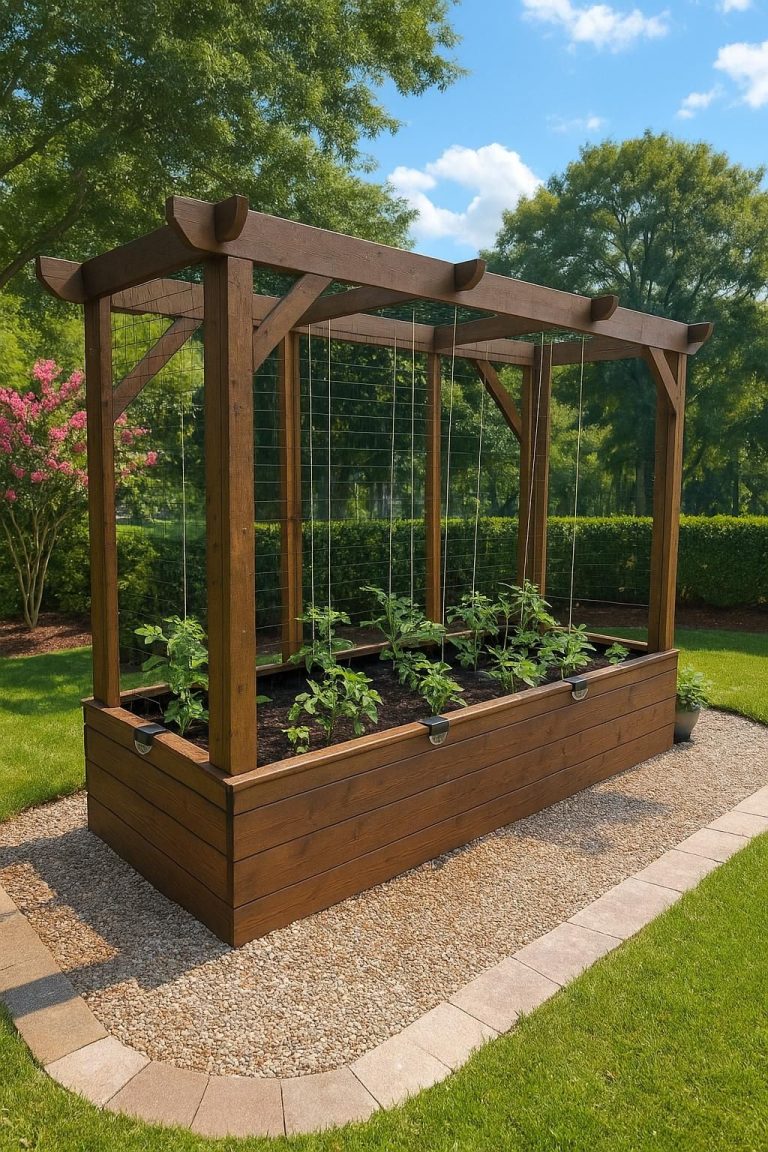
Peppers, bush beans, carrots, beets, scallions, basil, parsley, kale, chard, lettuce, and strawberries also perform well. Cucumbers can grow vertically on a separate trellis, but keep the trellis independent from the fence.
Good choices for partial shade
Leaf crops handle less sun than fruiting crops. Try lettuce, arugula, spinach, mustard greens, kale, cilantro, chives, mint in a pot, and Asian greens such as tatsoi.
In Zones 8–10, partial shade can extend the life of lettuce and cilantro. In Zones 3–6, the same shade may slow spring growth. Climate changes the answer.
Keep aggressive plants contained
Mint, lemon balm, horseradish, and Jerusalem artichoke can spread quickly. Grow them in containers placed beside the bed rather than in the bed itself.
Raspberries and blackberries need strong support and regular pruning. They can become a poor choice beside a fence if canes invade the path or make fence repairs difficult.
Support tall crops without stressing the fence
A trellis helps cucumbers, peas, beans, and small melons use vertical space. However, the fence should not carry the weight of wet vines or fruit.
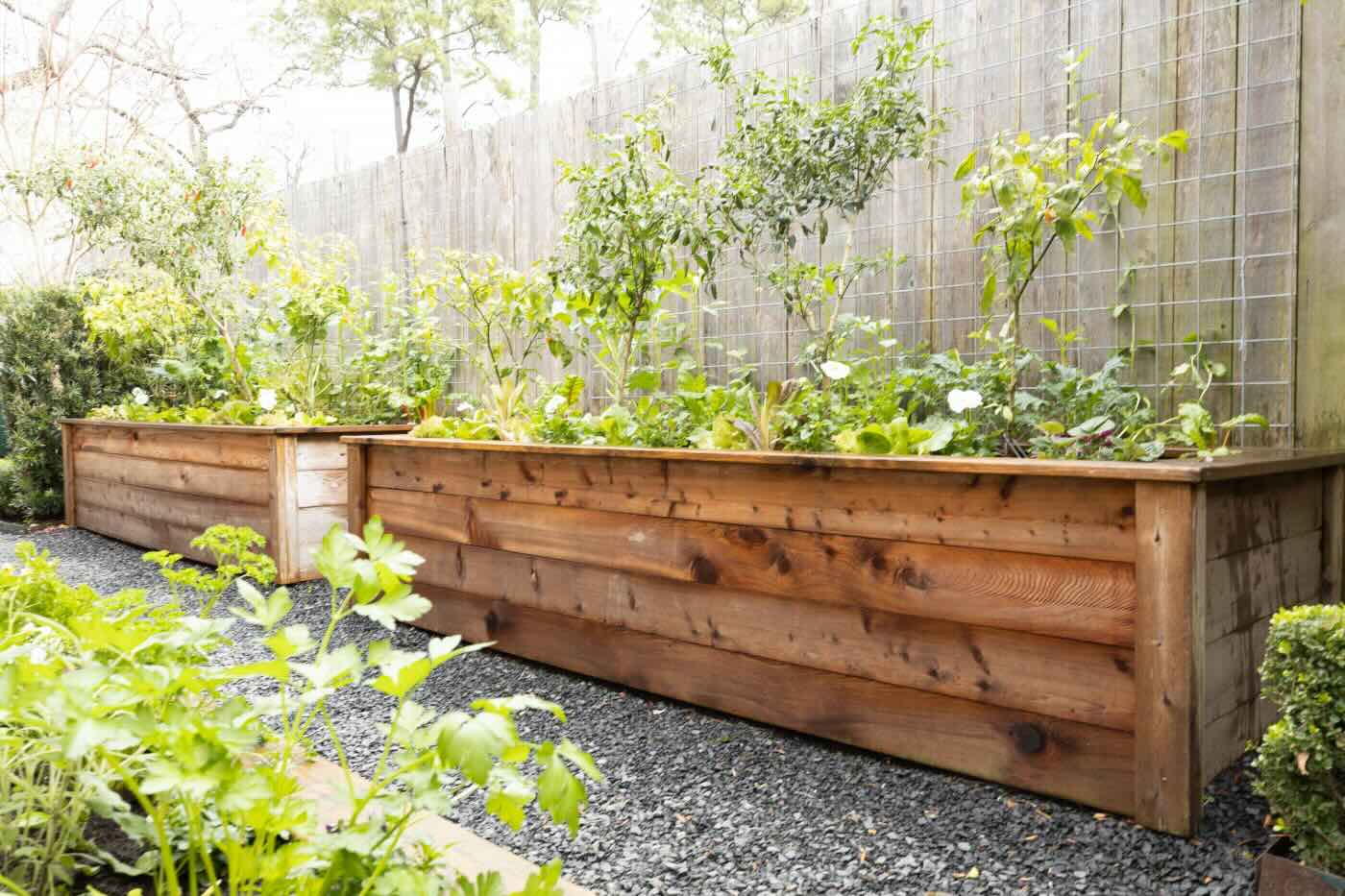
Build a separate trellis from metal conduit, cattle panel, cedar posts, or a freestanding A-frame. Set posts inside the bed or just outside it. Leave enough room to reach behind the trellis for pruning and harvest.
A 4-by-4-inch cattle panel can support peas and cucumbers. Use soft plant ties rather than wire that cuts into stems. Check ties every few weeks as stems thicken.
For tomatoes, use a cage or stake system. A sturdy cage made from concrete reinforcing wire lasts longer than many thin store-bought cages. Place the cage at planting time so you do not damage roots later.
Avoid common building and planting mistakes
Most failed fence-side beds do not fail because of the lumber. They fail because of poor access, shade, water, or soil.

| Mistake | What happens | Better fix |
|---|---|---|
| Attaching the bed to the fence | Fence shifts or rots | Build a separate frame |
| No gap behind the bed | Moisture and poor airflow | Leave 2–6 inches |
| Making the bed too wide | Center becomes hard to reach | Keep width under 30 inches |
| Filling with pure compost | Salts and weak growth | Mix topsoil, compost, and aeration material |
| Using fresh manure | Root burn and weed seeds | Use finished compost |
| Planting tall crops on the sunny side | Short crops stay shaded | Place tall plants northward |
| No drainage check | Roots remain wet | Test the site and slope water away |
A bed can look neat and still work poorly. Before planting, kneel at the outer edge and reach toward the fence. If you cannot touch the fence-side soil, make the bed narrower.
🌱 Beginner Note: Start with a 2-by-6-foot bed. It gives you enough room to learn soil, watering, and crop spacing without creating a large project.
Maintain the bed through the seasons
A raised bed needs less digging but still needs regular care. Check the frame, soil level, irrigation, mulch, and fence gap at least once each season.

Spring
Inspect screws and corner joints before filling the bed. Remove winter debris, repair drip lines, and add 1 inch of finished compost. Wait until the soil is workable before planting.
In cold zones, cover early crops with row cover. Do not let plastic touch leaves because it can cause cold injury or heat buildup.
Summer
Check moisture near the fence and at the outer edge. Tie new growth before vines become heavy. Harvest beans, cucumbers, zucchini, and greens often to keep plants producing.
Look under leaves for aphids, whiteflies, cucumber beetles, tomato hornworms, and signs of powdery mildew. Hand-pick large pests, use insect netting when suitable, and avoid spraying blooms when bees are active.
Fall
Remove diseased plants and dispose of them away from the compost pile. Healthy roots can stay in the soil to feed soil organisms. Add leaf mulch after the soil cools.
In Zones 7–10, you can grow carrots, kale, lettuce, and onions through winter. In colder zones, use a cold frame or low tunnel if the bed is sheltered.
Winter
Check that snow, ice, or frozen soil has not pushed the frame outward. Clean and store hoses, timers, row covers, and hand tools. Do not seal the bed with a plastic cover unless air can move underneath.
| Season | Main job | Fence-side check |
|---|---|---|
| Spring | Add compost and repair irrigation | Confirm airflow and gap |
| Summer | Water, tie plants, scout pests | Check dry soil near fence |
| Fall | Remove disease and mulch | Keep leaves off wood fence |
| Winter | Inspect frame and store tools | Watch for snow pressure and rot |
The first board or corner joint usually fails before the soil does. Catching movement early can extend the bed’s life by several seasons.
Know what breaks first and how to fix it
Raised beds commonly develop loose corners, bowed boards, leaking irrigation, and settling soil. Each problem has a simple early fix.

Bowed or separating boards
Soil pressure can push long boards outward. Add an internal cross brace or exterior corner post. If the board has split, replace it before the soil pushes farther.
Do not fix a weak wall by adding more screws alone. Screws hold the board to the corner, but a brace resists the outward force.
Rot at the bottom edge
Rot appears as dark, soft wood near the soil line. Move mulch away from the board and improve airflow. Replace the damaged board if it no longer holds screws.
A gravel gap between bed and fence does not stop rot inside the bed, but it keeps the fence drier. Use thicker boards or metal for the next rebuild.
Soil sinking
Some settling is normal, especially during the first four weeks. Add a mix of topsoil and finished compost. Do not add a thick layer of pure compost.
If soil drops every season, inspect for animal tunnels, decomposing logs, or poor drainage. A hidden vole tunnel can remove a surprising amount of soil.
Water pooling
Pooling means the soil mix or site drains poorly. Reduce irrigation, remove affected plants if roots are rotting, and test drainage. A raised bed over clay may need a wider base of amended soil or a different location.
Do not drill holes in a wood bed sitting on soil. The open bottom should already drain. Holes may help only when the bed sits on a hard surface.
🔧 Quick Fix: If one corner sinks, do not jack up a full bed of wet soil. Remove soil near the low corner, level the base, reset the frame, and refill in layers.
Compare a raised bed with other options
A raised bed is not the only way to garden beside a fence. The best choice depends on your soil, mobility, budget, and how long you plan to stay in the home.

In-ground planting
In-ground beds cost less and do not need a frame. They suit deep, fertile soil with good drainage. The downside is harder digging, more weed pressure, and less control over contaminated or compacted soil.
Fabric grow bags
Grow bags are flexible and inexpensive. You can move them away from the fence for repairs. They dry faster than framed beds and may last only a few seasons, but they are useful for renters.
Large containers
Containers work on patios, concrete, and poor soil. They need more frequent watering and careful fertilizer use. A 15–20 gallon container can grow one tomato or pepper well.
Vertical planters
Vertical systems save floor space. They work for herbs, strawberries, and leafy greens but hold less soil and dry quickly. They are not a good substitute for a deep bed of carrots or tomatoes.
| Option | Best for | Main drawback |
|---|---|---|
| Raised bed | Long-term food growing | Higher setup cost |
| In-ground bed | Good native soil | More weeds and digging |
| Fabric grow bag | Renters and temporary sites | Dries out quickly |
| Large container | Concrete or small patios | Needs frequent feeding |
| Vertical planter | Herbs and small greens | Limited root space |
A raised bed makes sense when you want a permanent, organized garden and can protect the fence. Choose containers or grow bags when access or ownership may change.
Estimate cost, time, and bed lifespan
A simple 2-by-6-foot bed can take two to four hours to build if the lumber is already cut. A larger bed with two courses, hardware cloth, irrigation, and a trellis may take a full weekend.
Current pricing ranges from about $60–$150 for a basic small wood bed to $250–$700 or more for a larger cedar, metal, or masonry setup. Soil often costs as much as the frame, especially for a 24-inch-deep bed.
| Project size | Build time | Typical cost range |
|---|---|---|
| 2 by 6 feet, 12 inches deep | 2–4 hours | $60–$150 |
| 2 by 8 feet, 18 inches deep | 4–6 hours | $150–$350 |
| 4 by 8 feet, 18–24 inches deep | 1–2 days | $300–$700+ |
Cedar may last 8–15 years. Pine may last three to seven years. Galvanized steel and masonry can last decades, but parts such as irrigation tubing, screws, and trellis ties may fail sooner.
Do not forget delivery costs. Soil weighs about 1,000–1,300 pounds per cubic yard, depending on moisture and mix. For a large bed, bulk delivery may cost less than many bags and save your back.
Use these practical design tips
Small design choices make a large difference after planting. Build for your future self, not only for the day of construction.

- Keep the bed 18–30 inches wide beside the fence.
- Leave a 2–6 inch air gap.
- Use 2-inch-thick boards when possible.
- Add a brace to beds longer than 6 feet.
- Keep the top of the soil 1–2 inches below the frame.
- Place tall crops on the north side.
- Use drip irrigation instead of frequent shallow sprinkling.
- Add mulch, but keep it away from stems and fence boards.
- Use a separate trellis for heavy vines.
- Keep a path wide enough for a wheelbarrow if space allows.
Companion planting can help with use of space, but it does not replace good soil or pest control. Try basil near tomatoes, dill near cabbage-family crops, and alyssum near vegetables to attract hoverflies and other beneficial insects. Avoid crowding plants just to fit more varieties.
When to hire a professional
Most small raised beds are safe DIY projects. Hire help when the site has a steep slope, retaining-wall needs, buried utilities, major drainage issues, or a fence that is already unstable.
A professional can build a terraced bed that resists soil movement. They can also repair a fence that leans or install drainage that carries water away from the structure.
Do not build a tall bed against a failing fence. The added soil load may push it farther out of line. A local contractor or landscape professional can assess the fence posts and ground before you spend money on soil.
Frequently asked questions
Q: How far should a raised bed be from a fence?
A: Leave 2–6 inches between the bed and fence. Use the wider gap when the fence is wood, the site stays wet, or you need room to paint and repair the fence. Do not fill the gap with packed soil.
Q: Can I attach a raised garden bed to a fence?
A: No. A fence is not designed to hold the weight of wet soil. Build the bed as a separate structure. You may install an independent trellis near the fence, but do not use fence boards as the bed wall.
Q: Should I line a raised bed beside a fence?
A: Use a liner only for a specific reason. Hardware cloth helps block rodents, and a side barrier can protect a wood fence. Avoid lining the bottom with plastic on soil because it can block drainage and cause root problems.
Q: What is the best width for a raised bed against a fence?
A: Use 18–30 inches when you can reach the bed from one side. A 4-foot width works only when you can reach both sides. Narrow beds are easier to weed, water, and harvest.
Q: How deep should a raised bed be?
A: Use 10–12 inches for lettuce, herbs, radishes, and beans. Use 18–24 inches for tomatoes, peppers, carrots, potatoes, and beds built over compacted ground. More depth does not fix poor drainage.
Q: Can vegetables grow beside a tall fence?
A: Yes, if the bed receives enough sun. Fruiting crops need about six to eight hours of direct sun. Leafy greens can produce with four to six hours, especially in warm climates. Check the site before choosing crops.
Q: What should I put between a raised bed and a wood fence?
A: Leave an open air gap of 2–6 inches. Coarse gravel can keep the strip neat, but do not pack wet mulch or soil against the fence. The goal is airflow and easy inspection.
Q: How do I stop a raised bed from rotting?
A: Use rot-resistant lumber, keep soil and mulch away from the fence, improve drainage, and avoid sealing wet wood with paint. Inspect the soil line each spring. Replace boards when they become soft or lose their ability to hold screws.
Q: Can I use garden soil in a raised bed?
A: You can use some garden soil, but do not use it as the entire fill. Mix it with finished compost and material that improves drainage. Heavy clay can compact, while sandy soil may drain too fast.
Q: How much compost should I add each year?
A: Add about 1 inch of finished compost in spring or fall. Mix it lightly into the top few inches rather than turning over the whole bed. A soil test can show when you need less or more.
Q: What is the best irrigation for a fence-side raised bed?
A: Drip tubing or a soaker hose works well. Put one line near the fence side and another near the outer edge if the bed is wider than 24 inches. Check moisture by hand instead of following a fixed timer alone.
Q: Can I grow cucumbers or beans on the fence?
A: Do not attach heavy vines directly to the fence unless the structure is designed for that load. Use a separate trellis or cattle panel. Wet leaves and vines against a wood fence can also slow drying and encourage rot.
Q: How long does a raised garden bed last?
A: Untreated pine often lasts three to seven years. Cedar may last eight to fifteen years. Metal, stone, and concrete can last much longer. Lifespan varies with rain, soil contact, drainage, and how well you inspect the frame.
Q: What should I plant in a narrow raised bed?
A: Try lettuce, kale, carrots, beets, radishes, scallions, basil, parsley, chives, strawberries, peppers, and compact tomatoes. Use vertical support for peas and cucumbers, but keep the support separate from the fence.
Q: Why is my soil wet near the fence?
A: The site may slope toward the fence, the soil may contain too much fine material, or irrigation may spray the fence side. Reduce watering, check the bed level, improve the mix with coarse organic material, and keep the fence gap open.
Q: Can I build a raised bed over grass?
A: Yes. Cut the grass short, remove aggressive perennial weeds, and place overlapping cardboard beneath the bed. For Bermuda grass, bindweed, or quackgrass, remove as many roots as possible because these plants can grow into the bed.
Final thoughts
A raised garden bed beside a fence should stand on its own, drain well, and leave the fence room to breathe. Keep it narrow enough to reach, fill it with balanced soil, and plan the bed around the sun rather than the fence alone.
The most durable design is not always the largest or most expensive. A modest cedar or galvanized steel bed with a 4-inch gap, drip irrigation, a separate trellis, and seasonal checks can produce vegetables for many years. Build the frame carefully, protect the fence from wet soil, and let the garden grow at a pace you can maintain.
Meta description: Learn how to build a raised garden bed against a fence with safe spacing, strong materials, soil tips, drainage, irrigation, crop choices, costs, and maintenance advice.