How To Make Raised Garden Beds Out Of Plastic Barrels: DIY
A plastic barrel can become a strong, low-cost raised garden bed with a few careful cuts, good drainage, and the right soil mix. Half-barrels work well for herbs, lettuce, peppers, strawberries, and compact flowers. They also help gardeners with poor soil, small yards, patios, and mobility limits.
I have made barrel beds from blue HDPE drums and food-grade rain barrels in USDA Zones 5, 7, and 9. The idea works well, but the details matter. A barrel without drainage can turn into a swamp. A barrel made from unsafe plastic can expose food crops to unwanted chemicals. A shallow cut can also leave roots too hot and dry in summer.
This guide explains how to make raised garden beds out of plastic barrels, including how to choose a safe barrel, cut it, drill drainage holes, fill it, plant it, and keep it productive for years.

Quick answer: How do you make a raised garden bed from a plastic barrel?
To make a raised garden bed from a plastic barrel, use a clean, food-grade HDPE barrel, cut it in half or lengthwise, smooth the cut edge, drill several drainage holes, and place it on a level base. Fill it with a light soil mix made from compost, topsoil, and a drainage material. Add mulch, water slowly, and plant crops suited to the bed’s depth.

A 55-gallon barrel cut across the middle makes two round beds about 22 inches deep. A 55-gallon barrel cut lengthwise makes one long, narrow bed with more planting space and easier access. Smaller 30-gallon barrels work well for patios and balconies, but they dry out faster.
The best design depends on your plants and your space. Tomatoes, carrots, and potatoes need more root room than lettuce, basil, radishes, or bush beans.
Why plastic barrels make useful raised beds
Plastic barrel beds lift plants above poor ground soil and create a controlled root zone. You can choose the soil, adjust the pH, manage water, and avoid many weed and compaction problems. The height also reduces bending, which helps gardeners with back, knee, or balance concerns.

A barrel garden is still a container garden. The bed has a limited volume of soil, so it warms and dries faster than a garden bed placed directly on the ground. Roots cannot move outward when conditions turn dry or when nutrients run low.
In my experience, barrel beds work best when placed near a water source. Carrying a watering can across a yard becomes tiring in July, especially in USDA Zones 7–9. A short hose, drip line, or soaker hose makes a large difference.
Advantages and limits at a glance
The table below shows where a plastic barrel bed shines and where it needs extra care.
| Advantages | Limits |
|---|---|
| Uses little space | Soil dries faster than ground beds |
| Raises crops above poor soil | Plastic may heat in full sun |
| Helps reduce weeds | Needs regular feeding |
| Can be placed on patios or gravel | Cutting takes care and safe tools |
| Good for gardeners with limited mobility | Not ideal for deep-rooted crops in small barrels |
| Often lasts many years | Unknown plastic may not be safe for food |
A barrel bed is a practical choice when you need a compact, raised growing space. It is less suitable if you want a large root zone, low watering needs, or a fully natural look.
Choose the right plastic barrel
The safest barrel for growing food is a clean, food-grade, high-density polyethylene barrel marked “HDPE” or “#2.” Look for a manufacturer label, food-contact rating, or clear history of use. Barrels that held juice, vinegar, wine, olive oil, or other food products are easier to trust than mystery drums from a farm or workshop.

Avoid barrels that held pesticides, herbicides, solvents, fuels, motor oil, industrial cleaners, or unknown liquids. Do not rely on smell alone. Some chemicals can remain in plastic even after repeated washing.
A blue rain barrel may be suitable if it was sold for water collection and has a clear material rating. A black plastic drum may also work, but color alone does not prove safety. Ask the seller what the barrel contained before you buy it.
Barrel types and the best use for each
Different barrel sizes create different growing conditions. This table can help you match the barrel to your plants.
| Barrel type | Good uses |
|---|---|
| 15–20 gallon food-grade barrel | Herbs, lettuce, flowers, small strawberries |
| 30 gallon barrel | Peppers, bush beans, salad crops, shallow roots |
| 55 gallon barrel cut in half | Tomatoes, carrots, potatoes, herbs, flowers |
| 55 gallon barrel cut lengthwise | Greens, onions, strawberries, compact mixed crops |
| Food-grade rain barrel | Large bed after removing the lid or side section |
| Unknown industrial drum | Do not use for edible crops |
A 55-gallon barrel usually holds more than 400 pounds of wet soil when filled. Check the strength of your patio, deck, balcony, or stand before placing one there.
Check the barrel before cutting
Inspect the barrel for cracks, brittle plastic, deep scratches, and sun damage. Press the sides with your hand. Good plastic should flex slightly but should not crumble or crack.
Wash the inside with hot water and mild, unscented dish soap. Rinse several times. Let it dry fully before cutting. Do not use bleach, solvents, or strong cleaners unless the barrel manufacturer gives clear instructions.
Tools and materials for a plastic barrel garden bed
You do not need a large tool collection. A jigsaw makes the cleanest cuts, but a reciprocating saw or fine-tooth handsaw can also work. Use a sharp drill bit for drainage holes and a file or sandpaper to remove rough plastic.

Wear safety glasses, work gloves, long pants, and sturdy shoes. Plastic chips can fly during cutting. Work outdoors or in a well-ventilated garage, and secure the barrel so it cannot roll.
The materials below cover one 55-gallon barrel cut into two half-barrel beds.
| Item | Suggested amount or type |
|---|---|
| Food-grade HDPE barrel | One 30- or 55-gallon barrel |
| Jigsaw blade | Fine-tooth blade made for plastic or metal |
| Drill and bit | 3/8- to 1/2-inch bit |
| File or coarse sandpaper | One file or sanding block |
| Measuring tape and marker | One of each |
| Landscape fabric | Optional, for the base |
| Compost | About one-third of the soil volume |
| Topsoil or garden soil | About one-half of the soil volume |
| Perlite, pumice, or pine bark | About one-sixth of the soil volume |
| Mulch | Straw, shredded leaves, or untreated wood mulch |
| Safety gear | Eye protection, gloves, and closed shoes |
Do not use a thick layer of rocks or gravel as a drainage layer inside the barrel. Water often stops at the soil-rock boundary, which can leave the root zone wetter, not drier. Good drainage comes from holes and a porous soil mix.
Safety and preparation before you cut
The safest way to cut a barrel is to empty it, wash it, dry it, and support it on a stable surface. Never cut a sealed barrel. Heat, pressure, or trapped fumes can create a dangerous situation.

Place the barrel on two sawhorses or a low workbench. Clamp it if possible. Keep your hands away from the blade path, and let the tool do the work. If the plastic melts and sticks to the blade, stop and let the blade cool.
Mark the cut with a flexible tape measure. For a crosswise cut, make several marks at the same height, then connect them with painter’s tape. For a lengthwise cut, mark both ends and snap a chalk line between them.
Decide how you will cut the barrel
A crosswise cut creates two round planters. Each half is deep and stable. This design suits tomatoes, peppers, eggplants, dwarf blueberries, and ornamental plants.
A lengthwise cut creates a long trough. It gives easy access from both sides and suits salad greens, radishes, herbs, strawberries, onions, and flowers. The trough may need a frame or blocks beneath it so the plastic does not flex under the weight of wet soil.
Choose a safe location
Most vegetables need at least six hours of direct sun. Fruiting crops such as tomatoes, cucumbers, peppers, and eggplant often perform better with eight hours.
Avoid placing a barrel on hot asphalt or against a south-facing wall in a hot climate. In Phoenix, Las Vegas, and parts of Texas, the side exposed to afternoon sun can become much hotter than the surrounding air. Light-colored barrels, shade cloth, and afternoon shade can reduce heat stress.
Step-by-step: turn a plastic barrel into a raised garden bed
The steps below work for a half-barrel or a lengthwise trough. Take your time with the cut. A straight edge makes the bed safer and easier to cover with mulch or insect netting.

1. Mark the cutting line
Measure the barrel and decide whether you want two equal halves or one long trough. Mark several points around the barrel instead of trusting one measurement.
For two half-barrels, mark a line around the center. For a trough, mark two parallel lines along the barrel, leaving enough plastic at the base to keep the structure firm. A trough that is too wide may bow outward when filled.
2. Cut the barrel
Use a jigsaw with a fine-tooth blade. Start with a small pilot hole if the blade cannot enter from the edge. Keep the tool at a steady speed and do not force it.
A handsaw works for thinner plastic. A reciprocating saw works quickly but can shake the barrel and leave a rough edge. For a beginner, a jigsaw gives the best balance of control and speed.
💡 Pro Tip: Place painter’s tape along the cut line before sawing. It reduces scratches and gives you a clearer guide on dark plastic.
3. Smooth the rim
Run a file around the cut edge. Follow with coarse sandpaper, then finer sandpaper if needed. Check the rim with a gloved hand.
Do not leave a sharp lip. It can cut hands, tear row cover, or damage a soaker hose. If the edge remains rough, cover it with split pool noodle foam, flexible tubing, or a purpose-made plastic edge trim.
4. Drill drainage holes
Drill holes across the bottom and lower side walls. For a half-barrel about 22 inches deep, start with 10 to 15 holes measuring 3/8 to 1/2 inch across.
Add a few holes slightly above the base on the side walls. These side holes help prevent water from sitting against the bottom when the bed rests on soil or a flat surface.
Do not place the bed directly on a surface that blocks the holes. Set it on bricks, pavers, or short treated-plastic risers. On a deck, use a tray or waterproof barrier to protect the boards from constant moisture.
5. Add a base layer only when needed
You usually do not need landscape fabric. If the barrel has large holes or sits over gravel, a small piece of mesh over each hole can keep soil from washing out.
Use plastic window screen, fiberglass mesh, or a piece of old shade cloth. Avoid fine fabric that blocks water flow. Do not seal the bottom with caulk.
6. Place the bed before filling it
Move the empty barrel bed to its final location. Once filled, it may weigh hundreds of pounds and become impossible to move safely.
Check the slope with a small level. A slight slope is fine, but a strong tilt can leave one side too wet and the other side too dry.
7. Fill with a light soil mix
Use a mix that holds water but still drains well. A practical blend is 50% quality topsoil or garden soil, 30% finished compost, and 20% perlite, pumice, or aged pine bark.
For a 55-gallon half-barrel, the actual fill may range from 20 to 25 gallons, depending on the cut and soil settling. Buy soil by volume, not by bag count. One cubic foot equals about 7.5 gallons.
8. Water the soil as you fill
Add soil in layers of 4 to 6 inches. Water each layer lightly. This helps remove large air pockets without packing the soil hard.
Leave 2 to 3 inches of space below the rim. Full soil to the top spills during watering and leaves no room for mulch.
9. Add support for tall plants
Install tomato cages, trellises, or stakes before roots fill the bed. A cage placed later can cut through roots.
Use strong support for indeterminate tomatoes such as ‘Sun Gold’ or ‘Cherokee Purple.’ A small barrel can support one tomato plant, but it may not support the weight of a mature plant plus fruit without a sturdy cage.
10. Plant and mulch
Plant according to mature size, not the tiny size of a nursery plant. One pepper, two or three basil plants, several lettuce heads, or a row of radishes may fit well in a half-barrel.
Add 1 to 2 inches of straw, shredded leaves, or untreated bark mulch. Keep mulch a little away from plant stems to reduce rot and slug hiding places.

The key step is drainage. A barrel with good plastic and rich soil will still fail if water cannot leave the root zone. After the first deep watering, check that water exits from the holes within a few minutes.
Best soil mix for barrel raised beds
Barrel beds need lighter soil than in-ground beds. Heavy clay can stay wet at the bottom, while pure potting mix may shrink and dry too fast.

For most vegetables, use a mix close to this formula:
- 50% screened topsoil or high-quality garden soil
- 30% finished compost
- 20% perlite, pumice, or aged pine bark
Compost adds organic matter and slow nutrient release. It should smell earthy, not sour or like ammonia. Avoid fresh manure, which can burn roots and may carry pathogens.
Test the soil after the first season if plants show poor growth. Most vegetables prefer a pH between 6.0 and 7.0. Blueberries need a much lower pH, often about 4.5 to 5.5, so they should have their own specialized mix rather than sharing a general barrel bed.
Soil materials compared
Each material serves a different purpose. The table below helps prevent common mix mistakes.
| Material | Main job | Key caution |
|---|---|---|
| Topsoil | Adds mineral soil and weight | Can be heavy or compacted |
| Finished compost | Adds organic matter and nutrients | Too much may hold excess water |
| Perlite | Adds air space and drainage | Floats and may rise to the surface |
| Pumice | Adds long-term porosity | Costs more than perlite |
| Aged pine bark | Improves structure | Must be aged, not fresh |
| Coco coir | Holds water | Needs added nutrients and proper wetting |
A 50-30-20 mix works for many gardens, but local materials vary. In wet climates such as western Oregon, use more bark or pumice. In dry climates such as Colorado, use enough compost and mulch to slow water loss.
Should you put plastic bottles in the bottom?
Do not fill the lower half with bottles, wood, or bulky waste. This reduces root space and can cause uneven settling. It may also create a perched water zone above the coarse material.
If a barrel is too deep for the plants you want to grow, choose a shorter barrel. Lettuce and herbs can grow in 8 to 12 inches of soil, while carrots and beets do better with 12 to 18 inches. Tomatoes, potatoes, and eggplant often benefit from 18 to 24 inches.
What to plant in a plastic barrel bed
The best plants for a barrel depend on depth, sunlight, climate, and how often you can water. Shallow-rooted crops are the easiest place to start.

Good choices include:
- Lettuce, arugula, spinach, and mustard greens
- Radishes, scallions, and baby turnips
- Basil, parsley, cilantro, thyme, and chives
- Bush beans and compact peas
- Strawberries
- Peppers and dwarf eggplant
- Patio tomatoes with strong support
- Nasturtiums, marigolds, calendula, and dwarf zinnias
Root crops need loose soil with no large clumps. ‘Little Finger’ carrots and ‘Paris Market’ carrots suit deeper beds. Potatoes can grow in a barrel, but a 55-gallon half-barrel may become heavy and difficult to empty at harvest.
Cucumbers can grow in a trough if you add a trellis. Choose compact types such as ‘Spacemaster’ or ‘Bush Pickle.’ Mint should stay in its own barrel because it spreads quickly through roots and runners.
Plant spacing in a half-barrel
Overcrowding causes weak growth and disease. Air flow matters, especially in humid areas such as Florida, Georgia, and the lower Mississippi Valley.
| Crop | Plants per 22-inch half-barrel | Soil depth |
|---|---|---|
| Head lettuce | 4–6 | 8–12 inches |
| Basil | 2–3 | 10–12 inches |
| Pepper | 1 | 16–18 inches |
| Patio tomato | 1 | 20–24 inches |
| Bush beans | 6–8 | 12–16 inches |
| Strawberries | 3–5 | 10–12 inches |
| Carrots | 20–30 baby roots | 12–16 inches |
| Radishes | 25–40 | 8–10 inches |
These numbers give plants room to mature. You can grow baby greens closer together and harvest them early, but mature crops need more space.
Companion planting in barrel beds
Companion planting works best when it improves space use, attracts pollinators, or helps cover bare soil. It does not replace crop rotation, clean tools, or pest control.
Try basil near a patio tomato, thyme near strawberries, and calendula or sweet alyssum near peppers. Marigolds can attract beneficial insects, but they do not create a pest-proof barrier.
Avoid mixing plants with very different water needs. Rosemary prefers drier soil, while lettuce prefers steady moisture. They may look attractive together but often perform poorly in the same barrel.
Watering and feeding barrel garden beds
Plastic barrel beds need more regular watering than in-ground beds because they have less soil and more exposed surface. In summer, check the soil every morning by pushing a finger 1 to 2 inches into the mix.

Water when the top inch feels dry for shallow-rooted crops. Water deeply until a small amount drains from the holes. Slow watering gives dry soil time to absorb moisture instead of sending water down the sides.
In hot weather, a half-barrel may need water daily. In mild spring weather, it may need water every two or three days. Rainfall, wind, plant size, barrel color, and sun exposure all change the schedule.
Simple watering guide
Use this table as a starting point, not a fixed rule. Soil moisture matters more than the calendar.
| Conditions | Typical watering pattern |
|---|---|
| Cool spring, partial sun | Every 2–4 days |
| Warm spring, full sun | Every 1–2 days |
| Hot summer, full sun | Daily, sometimes twice daily |
| Cool fall with rain | Only when the top 1–2 inches dry |
| Indoor or covered winter bed | Check weekly and water lightly |
Drip irrigation gives the most even moisture. A 1/4-inch drip line with adjustable emitters works well for small beds. A soaker hose also works, but test it first because some models release far more water near the faucet.
Feeding plants in containers
Compost supplies some nutrients, but barrel beds often need extra fertilizer after four to six weeks. Use a balanced organic fertilizer such as 4-4-4 or 5-5-5 according to the label.
Leafy crops need steady nitrogen. Fruiting crops need balanced nutrition but can produce excess leaves when given too much nitrogen. Do not add fertilizer to bone-dry soil. Water first, then feed.
A liquid fish emulsion can help pale greens, but strong fish products may smell and can attract pets. Slow-release granular fertilizer is easier for busy gardeners. Reapply only as the label directs.
⚠️ Warning: Never use fresh manure, homemade fertilizer of unknown strength, or large amounts of wood ash in a barrel bed. Salts can build up in a closed soil volume and damage roots.
Maintenance through the growing season
A barrel bed needs a short weekly check. Look at the rim, drainage holes, soil level, plant stems, and underside of leaves.

Remove weeds while they are small. Turn the soil surface lightly with a hand cultivator, but do not dig deeply around established roots. Add mulch if the soil surface becomes hard or crusted.
Watch for aphids, whiteflies, spider mites, flea beetles, slugs, and tomato hornworms. Inspect plants twice a week. A strong spray of water can remove aphids, while handpicking works well for hornworms and larger caterpillars.
Common diseases include powdery mildew, downy mildew, leaf spot, and blossom-end rot. Blossom-end rot usually points to uneven water uptake, not simply a lack of calcium. Keep moisture steady and avoid letting the bed swing from bone dry to soaked.
Barrel bed maintenance checklist
This schedule keeps small problems from becoming expensive repairs.
| Task | Timing | What to check |
|---|---|---|
| Check soil moisture | Daily in hot weather | Top 1–2 inches |
| Inspect leaves and stems | Twice weekly | Pests, spots, wilt |
| Clear drainage holes | Monthly | Roots, mulch, blocked soil |
| Add mulch | As needed | Keep 1 inch from stems |
| Feed active crops | Every 4–6 weeks if needed | Plant color and growth |
| Check plastic and rim | Each season | Cracks, sharp edges, brittleness |
| Refresh soil | After each crop cycle | Settling, salts, compaction |
Do not automatically replace all the soil every year. Remove spent roots, add fresh compost, and mix the top few inches. Replace the full mix if it smells sour, drains poorly, has severe disease, or shows salt crusts that do not improve after thorough watering.
Seasonal care and winter storage
Barrel beds can produce crops in all four seasons in mild regions. In USDA Zones 8–10, you may grow greens through winter. In Zones 3–6, the plastic and roots face hard freezes.
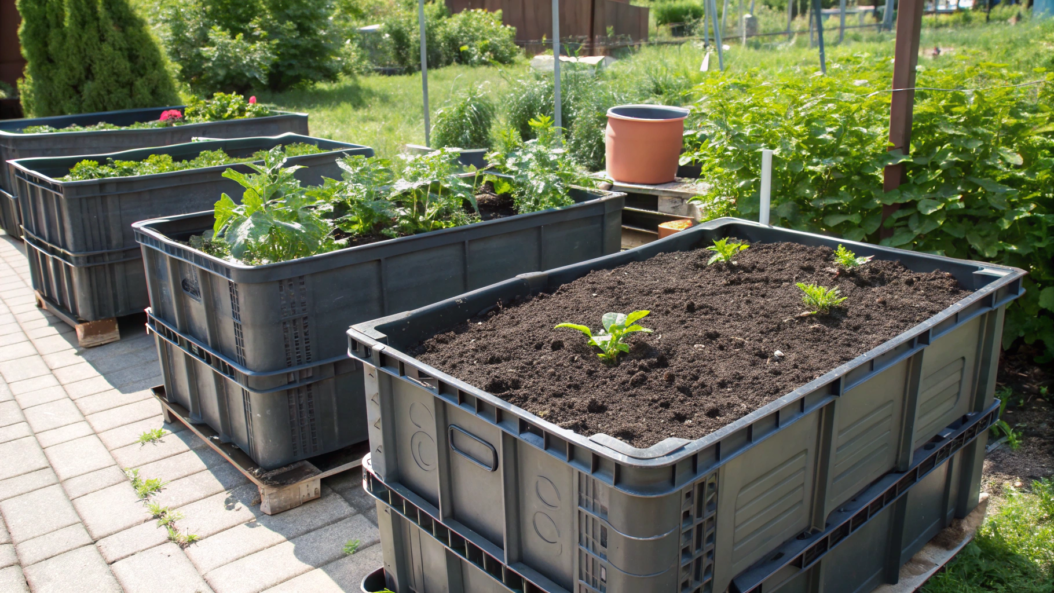
In spring, clean the barrel, repair the rim, and refresh the top layer of soil. Start cool-season crops such as lettuce, peas, spinach, and radishes before warm crops.
In summer, add mulch and consider afternoon shade for lettuce and cilantro. These plants bolt when soil and air temperatures rise. Use shade cloth with 30% to 40% coverage if the bed receives harsh afternoon sun.
In fall, remove diseased plants and compost only healthy material. Plant kale, chard, parsley, and spinach for cool-season harvests. In winter, move small barrels under cover if possible.
Seasonal barrel bed plan
Your local frost dates matter more than a general calendar. Check your USDA hardiness zone and local extension service for planting dates.
| Season | Main jobs | Good crops |
|---|---|---|
| Spring | Clean, fill, plant cool crops, add support | Lettuce, peas, radish, spinach |
| Summer | Water, mulch, feed, shade sensitive crops | Tomato, pepper, basil, beans |
| Fall | Remove diseased plants, plant greens | Kale, chard, parsley, mustard |
| Winter | Protect roots or empty small beds | Garlic, hardy greens, dormant herbs |
Do not leave a small barrel full of saturated soil in a place where repeated freezing can split the plastic. Empty or shelter it if the plastic feels brittle or the barrel has old cracks.
How long do plastic barrel garden beds last?
A quality food-grade HDPE barrel can last five to 15 years or more when protected from strong sun and extreme temperature swings. The plastic often lasts longer than the rim, support frame, or drainage holes.

UV light slowly makes plastic brittle. Black plastic usually absorbs more heat than light-colored plastic, which can speed aging in hot climates. A shaded location, light exterior paint made for plastic, or a fabric cover can reduce heat.
Inspect the bed at the start and end of every growing season. Replace it when you see deep cracks, a sharp split, severe bowing, or plastic that flakes when touched.
What usually fails first?
The cut rim often fails first because it receives pressure from hands, tools, and trellis ties. Drainage holes can clog with roots or soil. Wooden stands may rot before the barrel does.
A barrel that bows outward may still hold plants, but it has lost strength. Do not add more soil to a damaged bed. Transfer plants while the soil is damp but not saturated.
Common problems and practical fixes
Most barrel bed problems come from water, heat, soil, or an unsafe starting container. The table below connects symptoms with likely causes.
| Symptom | Likely cause | Fix |
|---|---|---|
| Water stays on the surface | Compacted soil or blocked holes | Clear holes and add bark or pumice |
| Plants wilt every afternoon | Small root zone or hot plastic | Mulch, shade, and water deeply |
| Leaves turn yellow | Poor drainage or low nitrogen | Check roots and soil moisture |
| White crust forms on soil | Salt buildup from fertilizer or hard water | Flush soil and reduce feeding |
| Barrel smells sour | Waterlogged organic matter | Improve drainage and replace bad soil |
| Cut rim feels sharp | Rough saw cut | File, sand, or cover the edge |
| Tomato grows leaves but no fruit | Too much nitrogen or low pollination | Reduce nitrogen and encourage pollinators |
| Lettuce bolts fast | Heat and long daylight | Add shade and plant a cool-season variety |
Always check moisture before adding fertilizer. Yellow leaves can come from wet roots, dry roots, low nitrogen, or damaged roots. A quick diagnosis prevents the wrong fix.
🔧 Quick Fix: If water drains slowly, empty the bed only as a last resort. First remove mulch, clear the holes with a blunt plastic rod, and check whether the soil has collapsed into a dense mass. Add compost and pine bark to the upper layer after the bed drains.
Cost, effort, and alternatives
Making a barrel bed can cost very little if you find a clean used drum. Current pricing ranges from about $15 to $40 for a used food-grade barrel and $50 to $150 or more for a new rain barrel or decorative half-barrel. Soil may cost as much as the container.

You also need to count the cost of delivery, cutting tools, soil, fertilizer, mulch, and a trellis. If you already own a jigsaw and drill, one 55-gallon barrel can produce two beds for a reasonable price.
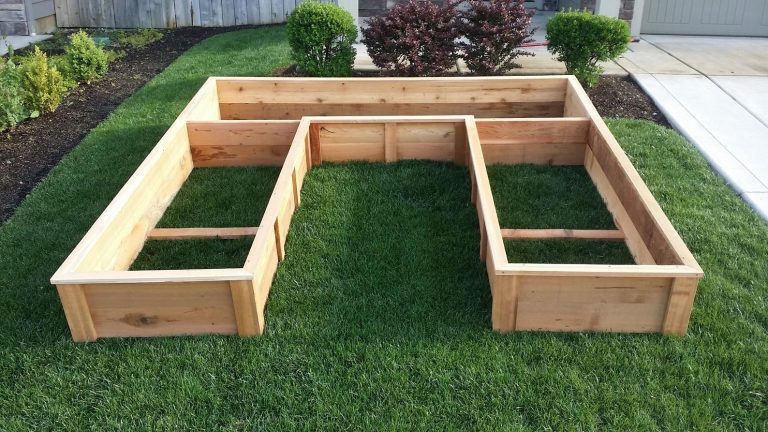
A cedar raised bed looks more natural and offers more planting area, but it takes more space and may cost more. Fabric grow bags are lighter and cheap, but they dry out fast and may not last as long. Galvanized stock tanks last well but cost more and can become very heavy.
Compare common raised bed options
The best alternative depends on space, budget, weight, and how permanent you want the garden to be.
| Option | Best for | Main drawback |
|---|---|---|
| Plastic barrel bed | Small spaces and reuse projects | Limited shape and soil volume |
| Cedar raised bed | Large gardens and natural appearance | Costs more and can rot |
| Fabric grow bag | Renters and temporary gardens | Dries out quickly |
| Galvanized stock tank | Long-term, large beds | Heavy and expensive |
| Plastic storage tote | Herbs and shallow crops | Can crack in sun |
| Concrete block bed | Permanent low-cost frame | Hard edges and more setup |
Plastic barrels are a good fit for beginners who want a compact project. Choose cedar or a stock tank when you need a larger, more stable bed for many plants.
When not to use a barrel bed
Skip a barrel bed if you cannot confirm the container’s history. Also avoid it when you need to grow deep rows of corn, large pumpkins, full-size melons, or many indeterminate tomatoes.
A barrel may also be a poor choice on a weak balcony or roof. Wet soil is much heavier than dry soil. Ask a qualified professional before placing several large beds on a structure.
My experience using barrel garden beds
My first barrel bed looked simple but taught me two useful lessons. I drilled only six small holes in the base, and after a week of spring rain, the lower soil smelled sour. The lettuce survived, but the basil roots were brown.
I drilled more holes, raised the bed on pavers, and changed the mix to include aged pine bark. The next bed drained within seconds and stayed evenly moist. That small change mattered more than the fertilizer I used.
The best result came from a half-barrel in USDA Zone 7, filled with lettuce, parsley, chives, and ‘Lunchbox’ peppers. I added a simple drip line and 1 inch of shredded leaf mulch. After four weeks, the greens looked stronger than those in my compacted clay garden soil.
The unexpected problem was heat. The black barrel warmed the root zone on a west-facing patio. Moving it 3 feet away from the brick wall and adding afternoon shade stopped the leaf curl.
Frequently asked questions
Q: Can I use any plastic barrel to make a raised garden bed?
A: No. Use a clean, food-grade barrel with a known history. Avoid drums that held pesticides, fuel, oil, solvents, or unknown chemicals. HDPE marked “#2” is a common safe material, but the previous contents still matter.
Q: Is a 55-gallon plastic barrel safe for vegetables?
A: It can be safe when it is food-grade, clean, and free of chemical contamination. A 55-gallon barrel cut in half makes two deep beds, while a lengthwise cut makes one long trough.
Q: How many drainage holes should a barrel garden bed have?
A: Start with 10 to 15 holes measuring 3/8 to 1/2 inch across in the base of a half-barrel. Add several holes near the lower side walls. Adjust the number if the bed drains too slowly or soil washes out.
Q: Do plastic barrel beds get too hot?
A: They can, especially when painted black and placed on asphalt, concrete, or beside a hot wall. Use mulch, light-colored plastic, afternoon shade, and steady watering in hot climates.
Q: Can I grow tomatoes in a plastic barrel?
A: Yes. Grow one patio or determinate tomato in a half-barrel with 20 to 24 inches of soil and a strong cage. A large indeterminate tomato may need more root volume and support than a barrel can provide.
Q: Should I line a plastic barrel with landscape fabric?
A: You usually do not need to line it. Use a small piece of mesh over large drainage holes if soil escapes. A full liner can slow drainage and trap water.
Q: Can I put gravel in the bottom of a barrel bed?
A: No, not as a general drainage fix. Gravel can reduce root space and create a wet layer above the gravel. Drill enough holes and use a porous soil mix instead.
Q: How often should I water a barrel garden bed?
A: Check the top 1 to 2 inches of soil each day in hot weather. A barrel in full summer sun may need daily watering, while one in cool partial shade may need water every two to four days.
Q: What is the best soil mix for a plastic barrel planter?
A: Use about 50% quality topsoil, 30% finished compost, and 20% perlite, pumice, or aged pine bark. The mix should hold moisture but drain freely.
Q: Can I grow potatoes in a plastic barrel?
A: Yes, but a barrel can become heavy and hard to empty. Use a deep half-barrel, loose soil, and one or two seed potato pieces. Harvest by tipping or removing soil carefully.
Q: How do I stop a barrel bed from drying out?
A: Add 1 to 2 inches of mulch, use a drip line, place the bed away from reflected heat, and choose a larger barrel. Water slowly until a little drains from the bottom.
Q: How long will a plastic barrel raised bed last?
A: A good HDPE barrel may last five to 15 years or longer. Strong sunlight, freezing weather, sharp cuts, and constant heat shorten its life. Replace it when it becomes brittle or cracked.
Q: Can I place a barrel garden bed on a deck or balcony?
A: Only after checking the structure’s weight limit. A filled 55-gallon half-barrel can weigh several hundred pounds. Use smaller containers on balconies and keep water from pooling on wood.
Q: What plants should beginners grow in a barrel bed?
A: Lettuce, basil, parsley, chives, radishes, peppers, strawberries, and bush beans are easy starts. They have manageable root systems and give quick results.
Final thoughts
A plastic barrel becomes a useful raised garden bed when you treat it like a real container, not just a cut drum. Safe plastic, generous drainage, light soil, regular water, and careful plant spacing make the difference.
Start with one clean 30- or 55-gallon food-grade barrel. Grow herbs, greens, a pepper, or one compact tomato for the first season. After you learn how fast the bed dries and how much soil it needs, you can add more barrels with confidence.
The project saves space, reuses a sturdy container, and brings productive growing within reach of patios, poor soils, and gardeners who want less bending. Its limits are real, but with the right setup, a barrel bed can stay productive for many seasons.
Meta description: Learn how to make raised garden beds out of plastic barrels with safe cutting steps, drainage tips, soil mixes, plant choices, watering advice, costs, and maintenance.